
Tools
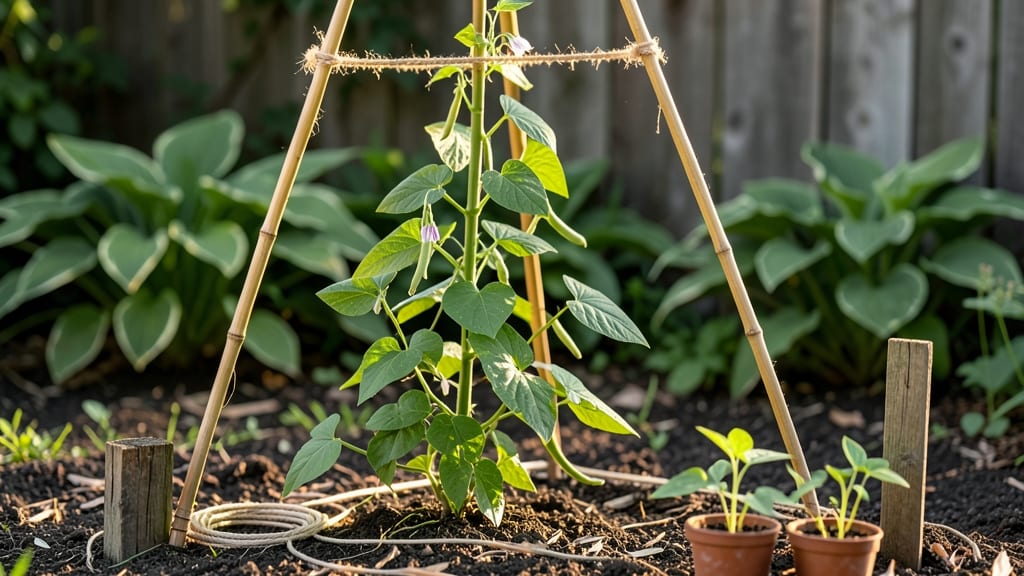
Green beans climbing a sturdy trellis mean fewer broken stems and more harvests. 🌱 I built my first one from scrap lumber after watching my beans sprawl uselessly across the soil—now they grow straight up, saving space and staying pest-free.
The best DIY version uses 2x4s or bamboo stakes tied with twine, costing under $10 for materials. You’ll need about 3-4 feet of height to keep beans off the ground, and the wider the better for heavy vines. A simple A-frame or teepee shape works perfectly for most gardens.
By mid-summer, your plants will be lush and productive, with beans hanging neatly where you can pick them. The trellis also keeps leaves dry, reducing disease risk and making harvests easier on your back. Works for any climbing beans—bush varieties too if you add extra support.
Here’s how to build yours in under an hour!
📚 In This Guide
- What you need
- Instructions
- Tips and common mistakes
- Wrapping up and next steps
What you need
- ● Trellis Base: 4 wooden posts (4x4 inches, 6–8 feet tall) – or sturdy metal stakes (if lightweight)
- ● Concrete mix or heavy-duty stakes (for anchoring posts in ground)
- ● Trellis Framework: Wooden lattice panels (pre-made, 2x4 feet) – or 1x2-inch wooden slats (cut to size)
- ● PVC pipes (½-inch diameter, 6–8 feet long) – alternative for lightweight designs
- ● Fasteners & Hardware: Galvanized screws or nails (2–3 inches long)
- ● Wood glue (for extra reinforcement)
- ○ Hinges or pivot brackets (optional, for adjustable trellises)
- ● Measuring tape
- ● Saw (hand saw or power saw for cutting wood/PVC)
- ● Drill/driver (with screw bits)
- ● Level (to ensure posts are straight)
- ● Post hole digger or shovel
- ● Paintbrush or spray paint (for weatherproofing)
- ● Safety gloves and goggles (always prioritize safety!)
- ● Decorative lattice patterns (for a garden-ready look)
- ● Twine or jute string (to weave through slats for extra texture)
- ● Stain or paint (to match your garden decor)
- ● Bamboo stakes or chicken wire (budget-friendly alternatives)
Step-by-Step instructions for building a sturdy green bean trellis
Here's the simple, sturdy method I use every year—no fancy tools, just reliable support for bushy vines.
🪴 Step 1: Gather Your Materials
You'll need 4 bamboo stakes (5-6 feet tall), twine or jute twine (10 feet), scissors, and a small hammer or mallet. I like bamboo because it's lightweight, strong, and won't rot quickly. If you don't have stakes, sturdy wooden dowels or even strong branches work too—just make sure they're at least 5 feet tall.
Cut 4 pieces of twine (each 3 feet long) for the horizontal supports. You can also use plastic-coated wire if you prefer something more durable. Avoid metal wire—it can cut into the stems as the plants grow. Keep everything within easy reach so you're not scrambling mid-project.
☀️ Step 2: Plant the Stakes and Create the Base
Drive the 4 bamboo stakes into the ground at the corners of your green bean row, spacing them about 3-4 feet apart. The stakes should be 1-2 feet deeper than they are tall—this keeps them stable in wind or when you brush against them. Tap them firmly with the mallet until they don't wobble.
For a 4-foot-wide row, plant two stakes at each end. If your row is longer, add an extra stake in the middle for extra support. The deeper and straighter the stakes, the more stable your trellis will be. I like to plant them a day before setting up the twine so the soil has a chance to settle around them.
🌿 Step 3: Tie the Horizontal Supports
Take the first piece of twine and tie it 6-8 inches above the ground between the two outer stakes. Pull it tight but not so tight it snaps—you want it to hold the weight of the beans without breaking. Use a square knot for durability. Repeat this at 12, 18, and 24 inches above the ground, creating a ladder-like structure for the vines to climb.
For the middle stakes (if you have them), tie the twine between the outer stakes first, then add a vertical piece of twine down the middle of the trellis for extra stability. This creates a grid-like support that keeps the plants from sagging or tangling. I like to leave 6-8 inches of space between each horizontal twine—this gives the beans plenty of room to weave through.
✂️ Step 4: Reinforce and Secure the Trellis
Once all the horizontal twines are tied, take a final piece of twine and wrap it diagonally from the top of one outer stake to the bottom of the opposite stake. This creates an X shape that adds stability, especially in windy conditions. Pull it tight and secure it with a double knot at both ends.
Check for any loose knots or wobbly stakes. If the twine feels too tight, loosen it slightly—you want it snug but not restrictive. The goal is a strong, flexible structure that can support the weight of the beans without breaking. I like to give the trellis a little shake to test its stability before planting.
💧 Step 5: Train the Plants as They Grow
When your green beans start to sprout, gently weave the main stems through the twine as they grow. Don't force them—just guide them upward so they climb naturally. If a vine misses a rung, it's okay; the beans will find their way. I like to check the trellis weekly and adjust any tangled vines to keep everything neat.
As the plants grow taller, add extra twine rungs if needed—especially if the beans are getting too heavy for the lower supports. A well-maintained trellis will keep your green beans off the ground, reducing rot and making harvesting easier. Plus, the beans grow straighter and produce more pods when they have proper support.
Tips & tricks for perfect green bean trellis support
Building a sturdy trellis is half the battle—here’s how to make yours last through the growing season.
Material Selection: Bamboo stakes are my go-to because they’re lightweight yet strong, but if you’re in a windy area, consider thicker wooden dowels (at least 2 inches in diameter). For the twine, jute is biodegradable and works well, but if you want something more durable, plastic-coated wire holds up better in wet conditions. Just avoid metal wire—it can cut into delicate vines as they grow.
Stability Check: In Step 2, when planting your stakes, take a moment to test their stability before moving on. Give each stake a firm tug—if it wobbles, dig it deeper or add a second stake nearby for support. I’ve learned the hard way that a wobbly trellis collapses under the weight of heavy bean pods. For extra security, especially in windy areas, tie the stakes together at the top with a diagonal twine before adding horizontal supports.
Knot Technique: The square knot in Step 3 might feel tricky at first, but it’s worth mastering for durability. Practice tying a few knots before starting—this ensures they won’t slip under the weight of the beans. If you’re not confident, use a bowline knot instead; it’s easier to untie later if you need to adjust the trellis. Pro tip: Wax your twine lightly before tying to prevent fraying and make knots hold tighter.
Growth Adjustments: In Step 5, don’t be afraid to add extra twine rungs as your plants grow taller. I usually add a new rung every 12 inches once the vines reach about 3 feet high. This prevents the beans from sagging and makes harvesting easier. If you notice vines getting tangled, gently separate them with your fingers—never cut them, as this can stunt growth.
Pro Tips for Make Green Bean Trellis
- Building a sturdy trellis is half the battle—here’s how to make yours last through the growing season.
- Material Selection: Bamboo stakes are my go-to because they’re lightweight yet strong, but if you’re in a windy area, consider thicker wooden dowels (at least 2 inches in diameter).
- Stability Check: In Step 2, when planting your stakes, take a moment to test their stability before moving on.
Frequently asked questions
Got questions about building the perfect green bean trellis? You’re not alone! Here are answers to the most common concerns—from timing to troubleshooting—to help you grow like a pro.
What’s the best time of year to build a green bean trellis?
Plant your trellis 2–4 weeks before sowing seeds (early spring or late summer, depending on your climate). This gives roots time to establish before vines climb. For cold regions, wait until soil warms to at least 60°F (15°C)—green beans hate frost! If using a temporary trellis, set it up as soon as seeds sprout.
Can I reuse a trellis from last year?
Clean and disinfect wooden or metal trellises with a 10% bleach solution to kill pests/diseases. Replace broken parts or rusted metal. Pro tip: Store trellises in a dry place to prevent rot. Plastic or bamboo trellises can last years if undamaged—just check for cracks or warping before reuse.
What’s a good alternative if I don’t have a ladder or tall fence?
No ladder? No problem! Try these space-saving options:
- Tepee trellis: Stake 4–5 bamboo poles in a circle (3–4 ft tall) and weave vines through.
- Wall-mounted trellis: Use heavy-duty hooks or a wire mesh panel screwed to a fence or deck railing.
- Cattle panel arches: Bend a 4-ft cattle panel into a half-circle and secure with stakes.
Why aren’t my green beans climbing the trellis?
Check these fixes:
- Vine health: Weak or leggy vines? Thin out crowded plants and ensure 6+ hours of sunlight daily.
- Trellis height: Green beans need 4–6 ft of support—if it’s too short, they’ll sprawl.
- Training: Gently tie vines to the trellis with soft twine or old fabric strips every few days.
- Pests: Spider mites or aphids can stress plants. Spray with neem oil if needed.
How do I prevent the trellis from tipping over in wind?
Stability is key! Bury stakes or posts 12–18 inches deep or weight the base with bricks/sandbags. For DIY trellises:
- Use 3-point anchoring (e.g., a tripod design with guy wires).
- Space trellises 3–4 ft apart for wind resistance.
- For tall trellises, add cross-bracing between supports.
Wrapping up and next steps
Building a sturdy green bean trellis is a simple yet rewarding project that will transform your garden into a thriving, space-saving paradise! 🌱 With just a few materials and a bit of creativity, you can give your climbing plants the support they need to flourish.
Whether you opt for a classic A-frame, teepee, or grid design, the key is to start small, stay steady, and enjoy the process.
Now that you’re equipped with all the know-how, roll up your sleeves and get building! Once your trellis is up, watch your green beans climb, grow, and produce like never before. Happy gardening! 🌿