
How To
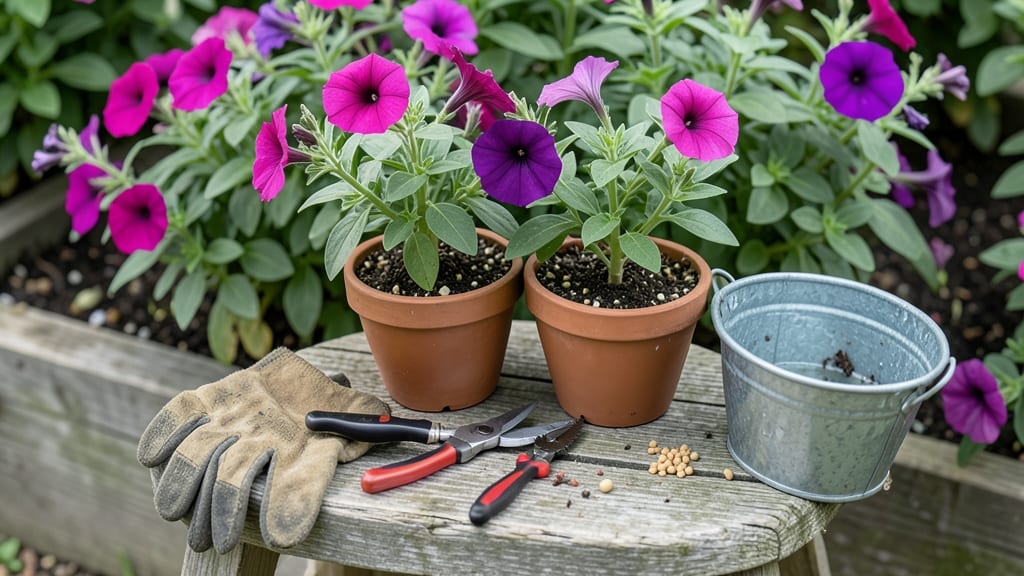
Your petunias look like sad, leggy sticks instead of lush, blooming clouds. 🌿 The secret to fuller petunias isn’t buying fancier plants—it’s pruning the right way, at the right time, to encourage branching.
I’ve turned my once-sparse petunias into cascading, bloom-covered beauties using just three simple techniques: strategic pinching, proper deadheading, and a little fertilizer timing.
Start by pinching off the top set of leaves when plants are about 4-6 inches tall. This forces the plant to grow side shoots instead of just reaching upward. Then, deadhead regularly—snip off spent blooms just above the next set of leaves to redirect energy into new flowers.
Organic gardeners swear by compost tea, while synthetic lovers reach for a 10-10-10 fertilizer every 4-6 weeks during blooming season.
You’ll see the difference within 3-4 weeks: thicker stems, more leaves, and blooms that spill over pots instead of peeking out shyly. The key is consistency—prune weekly during growing season, and your petunias will go from "meh" to "wow" faster than you can say "summer color."
Works for trailing, bush, and grandiflora varieties alike. The same rules apply whether you’re growing in hanging baskets, window boxes, or garden beds. Here’s how to do it without killing your plants (I’ve been there).
📚 In This Guide
- What you need
- Instructions
- Tips and common mistakes
- Wrapping up and next steps
What you need
- ● Petunias: Healthy, established plants (1+ per pot or garden bed)
- ● Pruning shears: Sharp, clean bypass pruners (or small, sterilized scissors)
- ● Gloves: Gardening gloves (to protect hands from thorns or sap)
- ● Watering can or hose: With a gentle spray nozzle (for post-pruning hydration)
- ● Balanced fertilizer: 10-10-10 or 20-20-20 (liquid or slow-release granules)
- ● Compost or mulch: Organic matter (e.g., aged compost, coconut coir) for soil enrichment
- ○ Plant growth regulator: Optional for stubborn leggy stems (e.g., paclobutrazol)
- ● Epsom salt: 1 tbsp per gallon of water (for magnesium boost, if leaves look pale)
- ● Support stakes or cages: For tall varieties (e.g., grandiflora petunias)
- ● Pruning paste: To seal cuts and prevent disease (especially in humid climates)
- ● Reflective mulch: Light-colored mulch to reduce heat stress on roots
Step-by-Step instructions for pruning petunias for bushier growth
Here's how to coax those lanky petunia stems into full, floriferous bushes—no fancy tools needed.
✂️ Step 1: Wait Until Plants Are Established
Don't rush the trim. Wait until your petunias have 4-6 sets of true leaves and show signs of leggy growth—those long, bare stems reaching for light. This usually happens 4-6 weeks after transplanting, when you notice stems stretching 6+ inches tall with sparse foliage.
I always check for at least 3-4 inches of new growth before pruning. This ensures the plant has enough energy reserves to bounce back stronger. If you prune too early, you'll stunt growth instead of encouraging bushiness. Look for stems that have at least 2-3 nodes (those little bumps where leaves grow)—these are your pruning targets.
✂️ Step 2: Prune Just Above Leaf Nodes
Use clean, sharp scissors or pruners to cut back leggy stems ¼ inch above a leaf node. This is where new side branches will sprout. I like to make my cuts at a slight angle to prevent water from pooling on the stem, which could rot it later.
Here's the thing—don't be shy with the first cut. Remove ⅓ of the plant's height if it's looking leggy. You'll see new buds forming at the nodes within 7-10 days. If you're worried about over-pruning, remember: petunias are tough and will reward you with bushier growth. Just avoid cutting into woody stems—focus on soft, green growth only.
🌿 Step 3: Encourage Branching with Regular Maintenance
After the first prune, keep an eye out for new growth. Any stems that grow taller than 6 inches without branching should be pruned again at the same ¼ inch above a node rule. This creates a fuller, more compact plant over time.
I pinch off the tips of new growth when they reach 4-5 inches tall—this forces energy into side shoots instead of one long stem. You'll notice within 2-3 weeks that your petunia starts filling out with dense foliage and more flower buds. Deadhead spent blooms too—this redirects energy from seed production back into new flowers.
☀️ Step 4: Adjust Light and Water for Recovery
After pruning, move your petunias to a spot with bright, indirect light for 3-5 days to help them recover. Too much direct sun right after pruning can stress the plant. Once new growth appears, gradually reintroduce full sun.
Water consistently but not excessively—keep the soil evenly moist but never soggy. I like to water at the base in the morning so leaves have time to dry before evening. This prevents fungal issues while encouraging strong root growth. You'll know you're doing it right when you see new leaves emerging within 10-14 days of pruning.
🌱 Step 5: Fertilize for Bushier, Healthier Growth
Two weeks after pruning, give your petunias a boost with a balanced liquid fertilizer (like 10-10-10) diluted to half strength. This helps them recover and produces more vibrant blooms. I fertilize every 2-3 weeks during the growing season to maintain that lush, full look.
Real talk: if your petunias still look sparse after a month, they might need more sun or better drainage. Check the soil—if it's waterlogged, roots can't absorb nutrients properly. A little extra TLC here makes all the difference in getting those full, bushy petunias you're dreaming of.
Tips & tricks for pruning petunias for bushier growth
Here's what nobody tells you about transforming leggy petunias into lush, full plants—these tricks make all the difference.
Timing is Everything: The 4-6 week mark after transplanting is your sweet spot for pruning. This gives plants enough time to establish roots while still having energy reserves for regrowth. I've learned the hard way that pruning too early can shock young plants, so always wait until you see those 4-6 sets of true leaves and stems reaching 6+ inches. Trust me, patience pays off with bushier results.
Precision Cuts Matter: When you're making those ¼ inch cuts above leaf nodes in Step 2, think of it like giving your plant a haircut at the right length. The slight angle on your cuts prevents water from pooling—this simple technique keeps stems healthy and prevents rot. I use small floral scissors for this because they give me better control over those precise cuts. The goal is to encourage branching without damaging the plant's energy flow.
Maintenance is Key: After your initial prune, keep an eye out for any stems that grow taller than 6 inches without branching. These are your targets for regular maintenance pruning. The pinch-off technique at 4-5 inches for new growth forces energy into side shoots, which is how you get that dense, bushy look. I set a reminder every 2-3 weeks to check my petunias—consistency is what transforms lanky stems into full, floriferous bushes over time.
Recovery Conditions: That 3-5 day period of bright, indirect light after pruning is crucial for recovery. I've seen plants stressed by too much direct sun right after cutting, so I always move them to a shaded spot during this time. Think of it like giving your petunias a cozy recovery room. The goal is to help them focus energy on root growth and new leaf production rather than dealing with sun stress. You'll know you're doing it right when you see those new leaves emerging within 10-14 days.
Pro Tips for Make Petunias Fuller
- Here's what nobody tells you about transforming leggy petunias into lush, full plants—these tricks make all the difference.
- Timing is Everything: The 4-6 week mark after transplanting is your sweet spot for pruning.
- Precision Cuts Matter: When you're making those ¼ inch cuts above leaf nodes in Step 2, think of it like giving your plant a haircut at the right length.
Frequently asked questions
Got questions about making your petunias fuller and lusher?
Here are some of the most common ones—and their answers—to help you grow the most vibrant, bushy blooms in your garden!
When is the best time to prune petunias for fuller growth?
Prune petunias in the early morning after the dew has dried but before the heat of the day. Aim for late spring to early summer (after the first flush of blooms) or mid-summer for a second round of pruning. Avoid pruning in fall if frost is near—petunias are annuals and won’t recover well.
How much should I cut back petunias to encourage bushiness?
For most petunias, trim back one-third of the plant’s height (about 2–4 inches) to promote branching. Use clean, sharp shears and cut just above a leaf node or set of leaves. Never cut into woody stems—this can stress the plant. Think of it like giving your petunias a "haircut" to spark new growth!
What if my petunias look leggy after pruning? How do I fix it?
Leggy petunias often need more light or balanced fertilization. Move them to a sunnier spot (6+ hours of direct sun daily) and switch to a low-nitrogen, high-phosphorus fertilizer (like 5-10-5) to encourage blooms over foliage. Pinch back the longest stems again in 2–3 weeks if needed.
Can I use the cuttings from pruning to grow new petunias?
Take 3–4 inch cuttings from healthy stems, strip the lower leaves, and dip in rooting hormone. Plant in moist potting mix and cover with a plastic bag to retain humidity. Keep in bright, indirect light until roots form (about 2–3 weeks). This is a great way to propagate free plants for next year!
Why are my petunias not getting fuller even after pruning?
Check for these common issues:
- Pests: Aphids or spider mites can weaken stems. Spray with neem oil if you spot them.
- Overcrowding: Space petunias 12–18 inches apart to reduce competition for nutrients.
- Wrong fertilizer: Too much nitrogen = leafy growth, not blooms. Use a bloom booster instead.
- Water stress: Keep soil consistently moist (not soggy) to avoid stunted growth.
Wrapping up and next steps
Growing fuller, bushier petunias is all about a little patience and the right techniques! By pruning regularly, fertilizing wisely, and providing proper care, you’ll transform your petunias into vibrant, lush plants that steal the show.
Remember, even the most experienced gardeners started somewhere—so don’t be afraid to experiment and have fun with your blooms! 🌸
Now that you’re armed with these tips, grab your shears and get pruning! Watch your petunias thrive and enjoy the rewarding process of nurturing them into garden superstars. Happy gardening! 🌱