
How To
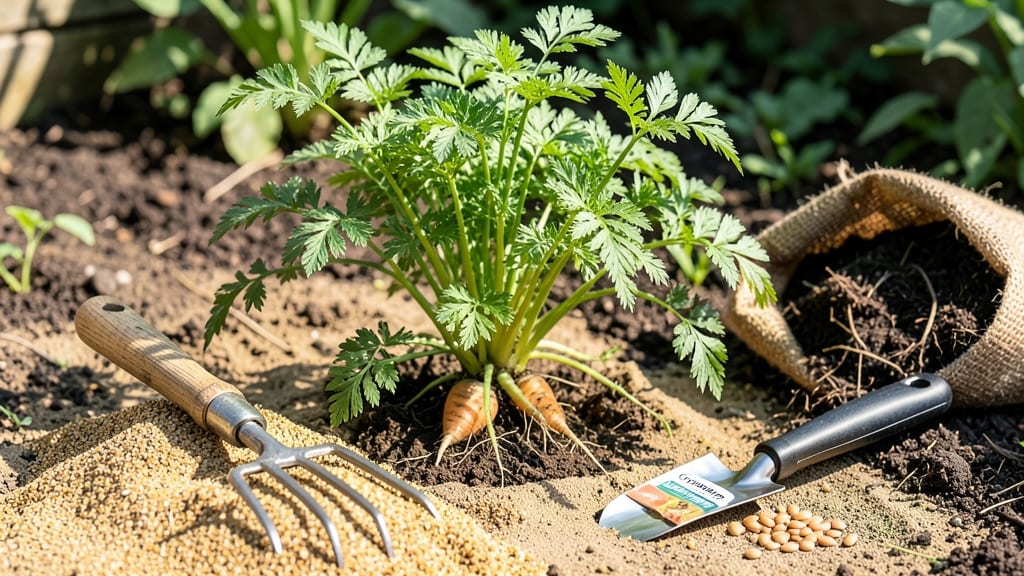
Carrots need perfectly loose soil to grow straight and sweet—sandy soil is the secret weapon. 🌱 After years of struggling with gnarled roots in heavy clay, I finally cracked the code by blending sand with my existing soil in just the right way.
The difference? Carrots that pull out cleanly, with no forks or hairy splits.
Most gardeners assume you just add sand, but that’s a recipe for disaster—it washes away nutrients and creates a sterile mix. The trick is balancing sand with compost and organic matter to hold moisture and feed roots.
Start with 50% existing soil, then mix in 30% coarse sand (like builder’s sand) and 20% compost. This keeps roots loose while preventing nutrient loss.
You’ll see the payoff in 3-4 weeks when seedlings emerge with smooth, straight tops—no more digging up misshapen roots. The soil stays friable (that’s gardener-speak for "light and crumbly") even after rain, and drainage improves dramatically. Just avoid fine sand—it compacts easily and defeats the whole purpose.
Works in raised beds, in-ground plots, or even containers. The same mix also works for radishes, beets, and parsnips. Here’s how to do it without common mistakes—like over-sanding or skipping the compost—that ruin the results.
📚 In This Guide
- What you need
- Instructions
- Tips and common mistakes
- Wrapping up and next steps
What you need
- ● Sand: Coarse builder’s sand (not fine beach sand) – 50% of the mix (e.g., 2 cubic feet per 4 sq ft of bed). Avoid sand with clay or silt.
- ● Compost: Well-aged, organic compost – 30% of the mix (e.g., 1.5 cubic feet per 4 sq ft). Boosts nutrients without compacting.
- ● Peat moss or coconut coir: For moisture retention – 20% of the mix (e.g., 1 cubic foot per 4 sq ft). Helps balance sand’s dryness.
- ● Garden fork or tiller: To loosen existing soil and mix ingredients thoroughly.
- ● Garden gloves: Protect your hands from grit and sharp sand particles.
- ● Wheelbarrow or large bucket: For hauling materials (aim for 5+ gallons capacity).
- ○ pH test kit (optional): Sandy soil often lacks nutrients—test pH (ideal: 6.0–7.0) and amend with lime or sulfur if needed.
- ○ Organic fertilizer (optional): Balanced 10-10-10 or veggie-specific blend – 1 tbsp per sq ft mixed into the top 2 inches.
- ● Mulch (straw or shredded leaves): 1–2 inches thick to retain moisture and suppress weeds.
- ● Sunny spot: Carrots need 6+ hours of direct sunlight daily. Choose a raised bed or flat ground with good drainage.
- ● Weed-free area: Clear debris and weeds before mixing—carrots hate competition!
- ● Moisture check: Sandy soil dries fast. Water the area 24 hours before mixing to help ingredients bind.
Tips & tricks for perfect sandy soil for carrots
Real talk: The difference between straight, sweet carrots and gnarled, stunted roots often comes down to these small but critical details.
Depth Matters: That 12-inch depth in Step 1 isn't arbitrary—it matches the average length of mature carrots. If you're planting shorter varieties (like Paris Market), you can reduce this to 8 inches, but never less. I learned this the hard way after planting heirlooms in 6-inch-deep soil and watching them twist like pretzels.
Sand Selection Tip: Not all sand is created equal! The instructions call for coarse builder's sand because it creates the perfect balance of drainage and structure. Fine beach sand compacts over time and defeats the purpose. I've had success with mason sand too, but avoid play sand—it's too fine and contains additives that can harm plants.
Texture Test: Before planting, squeeze a handful of your finished mix. It should feel like damp sand that holds its shape when pressed but still crumbles easily. If it sticks together like wet clay, you've added too much organic matter. If it falls apart like dry powder, you need more organic material to provide structure. This simple test prevents common mistakes I see in garden forums.
Optional: Mulching Strategy: For extended moisture retention (especially in hot climates), consider adding a 1-inch layer of straw mulch after planting. This helps maintain that critical 40-50% moisture level in the top 6 inches without risking waterlogging. Just remember to keep the mulch 2-3 inches away from plant stems to prevent rot.
Pro Tips for Make Sandy Soil For Carrots
- Real talk: The difference between straight, sweet carrots and gnarled, stunted roots often comes down to these small but critical details.
- Depth Matters: That 12-inch depth in Step 1 isn't arbitrary—it matches the average length of mature carrots.
- Sand Selection Tip: Not all sand is created equal!
Frequently asked questions
Got questions about crafting the perfect sandy soil for your carrots? You’re not alone! Here are some of the most common queries—plus straightforward answers to help you grow like a pro.
Why do carrots need sandy soil?
Carrots thrive in sandy soil because it drains well, preventing rot and encouraging straight, tender roots. Sandy soil also warms up faster in spring, giving carrots a head start. Plus, it’s easier to work with—no clumping or compaction! Think of it as the "Goldilocks" of soil textures: not too heavy, not too sticky, just right.
When is the best time to amend my garden soil for carrots?
For spring-planted carrots, amend your soil 4–6 weeks before sowing (early spring). If planting in fall, do it 2–3 weeks before the last frost. Pro tip: Test your soil first! Sandy soil should have a mix of sand (50–70%), compost (20–30%), and a little organic matter (like peat moss or coconut coir). Timing is key—don’t rush it!
Can I use just sand from my backyard?
Nope!
Backyard sand (especially fine or clay-heavy types) can compact over time, suffocating roots. Instead, use coarse builder’s sand or horticultural sand (like sharp sand or concrete sand) for the best drainage. Mix it with compost or aged manure to add nutrients and prevent nutrient runoff. Think of it like a smoothie—you need the right ingredients!
What if my sandy soil gets too dry or hot?
Sandy soil drains fast, which can dry out roots quickly. Mulch with straw or shredded leaves to retain moisture and regulate temperature. Water deeply once a week (or more in extreme heat) and avoid shallow watering. A 2–3 inch layer of mulch acts like a cozy blanket for your carrots—keeping them hydrated and happy!
How often should I re-amend sandy soil for carrots?
Replenish nutrients and structure annually by adding a 1-inch layer of compost or well-rotted manure. Over time, organic matter breaks down, so top-dressing keeps your soil fertile. For heavy sand, mix in 10–20% perlite or vermiculite every few years to maintain fluffiness. Think of it like refreshing a pillow—your carrots will thank you!
What if my carrots still grow crooked even in sandy soil?
Crooked carrots often mean uneven soil layers or hardpan beneath the surface. Loosen the top 12 inches of soil before planting, and avoid working in fresh manure (it can cause forking). If space is tight, try short varieties like ‘Paris Market’ or grow them in deep containers (12+ inches). Patience and prep pay off!
Wrapping up and next steps
Growing sweet, straight carrots starts with the right soil—loose, sandy, and well-draining! By blending sand, organic matter, and a few key amendments, you’ve unlocked the perfect foundation for root success. Don’t forget: patience and consistency are your allies—test your soil, adjust as needed, and watch those carrots thrive. 🌱
Ready to plant with confidence? Grab your seeds, mark your calendar, and get growing! Check out our step-by-step planting guide next to turn theory into a bountiful harvest. Happy gardening!