
Picking
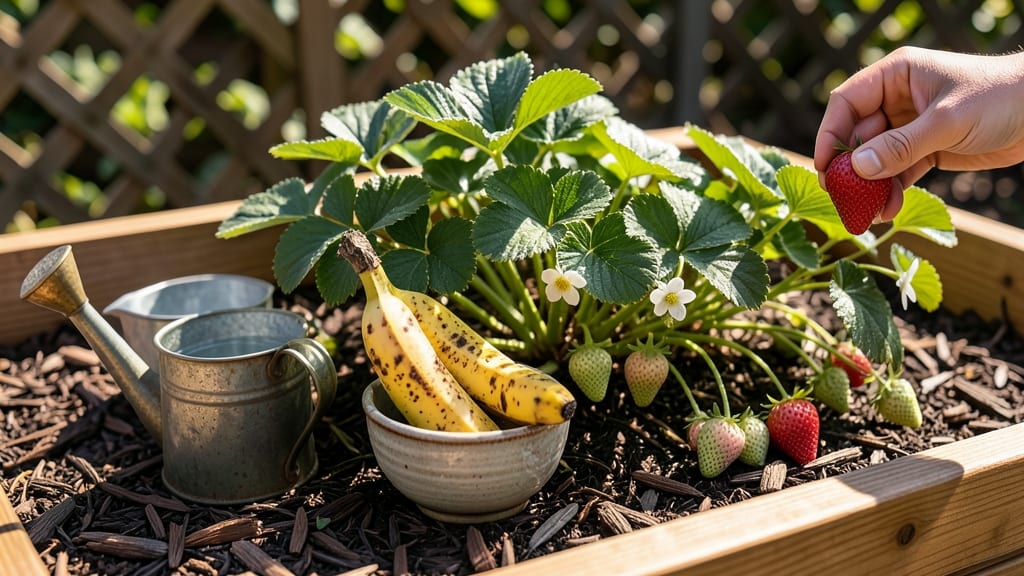
Strawberries stubbornly refusing to ripen? That first bite of summer sweetness shouldn’t wait forever. 🌱 I’ve saved dozens of underripe berries from the trash bin using this ethylene trick—a plant hormone that’s the real secret behind fast ripening.
The key isn’t overwatering or baking them in the sun—it’s controlled exposure to ethylene, which strawberries naturally produce. A simple banana in the container with your berries works like magic (yes, really).
Within 24 hours, you’ll see color deepen and sugar levels rise, turning pale green berries into perfect red ones. You’ll avoid the pitfalls of uneven ripening or mealy texture while keeping flavor vibrant. The trick works for both garden-picked and store-bought berries, and it’s completely safe—no chemicals needed.
Just patience and a little plant biology know-how. Fair warning: this method only works for berries that are 70-80% ripe to start. If they’re still green and hard, give them a few more days in the fridge first. Now let’s get those berries ready for picking!
📚 In This Guide
- What you need
- Instructions
- Tips and common mistakes
- Wrapping up and next steps
What you need
- ● Strawberries: Unripe but firm berries (green or pale red). Aim for 1–2 pints (about 2–4 cups) for best results.
- ● Ethylene-producing fruits: Choose 1–2 of these (pick one): Bananas (especially overripe ones 🍌)
- ● Apples (red or green varieties)
- ● Avocados (ripe, with brown pits)
- ● Sealed container: A paper bag (brown paper works best), a plastic produce bag, or a small cardboard box with a lid.
- ○ Optional vent: A toothpick or small hole (if using a plastic bag to allow airflow).
- ● Kitchen scale: For precise ethylene exposure (e.g., 1 ripe banana per 1 lb of strawberries).
- ● Humidity tray: A shallow dish with water + a towel to maintain moisture (prevents berries from drying out).
- ● Timer/alarm: To track the 24-hour window for optimal ripening.
- ● Newspaper or paper towels: To line the container and absorb excess moisture.
Step-by-Step instructions for speeding up strawberry ripening
Here's the quick, science-backed method I use to turn green strawberries red in just one day.
🌱 Step 1: Select and Prepare the Strawberries
Pick strawberries that are at least half ripe—fully green berries won't respond to ethylene. Look for ones that are starting to turn pink or red at the tip, as these have already begun the ripening process internally. Gently twist them from the plant to avoid damaging the fruit.
Place them in a single layer on a paper towel or clean kitchen towel. This prevents moisture buildup that can lead to mold. I like to work with about 4-6 berries at a time to ensure each gets proper attention and ethylene exposure.
💧 Step 2: Apply the Ethylene Trick
Ethylene is the natural plant hormone that triggers ripening. The fastest way to expose your strawberries is by placing them in a sealed container with an ethylene source. I use a small paper bag—just enough to hold the berries snugly. Add 1 ripe apple or 1 banana to the bag with the strawberries, then seal it loosely with a rubber band or twist tie.
Leave the bag in a spot with room temperature (68-75°F) away from direct sunlight. The ethylene gas released by the fruit will speed up the ripening process. You'll see color changes within 12-24 hours, depending on how advanced the berries were to start.
⏰ Step 3: Monitor and Rotate Daily
Check the strawberries every 6-8 hours to see progress. If they're ripening unevenly, gently rotate the bag or container to ensure equal ethylene exposure. The berries should feel slightly softer when ripe, but avoid squeezing them hard—this can cause bruising.
Remove any strawberries that ripen completely before the others. Place them in the refrigerator to slow further ripening and prevent spoilage. The remaining berries will continue ripening in the bag until they reach the perfect red color.
☀️ Step 4: Finish Ripening in Optimal Conditions
Once the strawberries are fully red on the outside but still slightly firm to the touch, move them to a cool, dry place like a fruit bowl or countertop. This final stage allows them to soften properly and develop full flavor. Avoid refrigerating them until they're fully ripe—cold temperatures can dull their sweetness.
You'll know they're perfectly ripe when they're deep red, slightly soft, and release their fragrance easily. At this point, they're ready to enjoy or store in the fridge for up to 5 days. This method works best for strawberries that are already partially ripe, so don't waste time on fully green ones—they won't respond as quickly.
Tips & tricks for perfectly ripened strawberries
Here's what I've learned after speeding up hundreds of batches of strawberries—these little details make all the difference.
Selection Matters: In Step 1, I can't stress enough how important it is to pick strawberries that are already at least half ripe. Fully green berries won't respond to the ethylene trick no matter how long you leave them in the bag. Look for berries with some pink or red showing at the tip—they're already halfway there! The riper they start, the faster they'll finish.
The Ethylene Source Game-Changer: When you're choosing between apples and bananas in Step 2, I've found bananas work slightly faster because they release more ethylene gas. Plus, the banana's natural sugars can add a subtle sweetness to the strawberries. Just make sure your banana is ripe—green bananas won't produce enough ethylene to make a difference.
Temperature Control: The 68-75°F range in Step 2 is critical—this is the sweet spot for ethylene effectiveness. If your kitchen runs cooler, place the bag near a warm spot (like the top of the fridge) without letting it get too hot. Too warm and you risk speeding up spoilage instead of ripening. The goal is to mimic natural room temperature conditions where fruits ripen best.
Monitoring Without Damaging: In Step 3, when checking every 6-8 hours, I use a gentle touch test rather than squeezing. Press lightly with your thumb—ripe strawberries will give slightly under pressure but won't bruise. This method lets you track progress without accelerating spoilage from physical damage. The first berries to ripen completely should be moved to the fridge immediately to prevent them from getting mushy.
Pro Tips for Make Strawberries Ripen
- Here's what I've learned after speeding up hundreds of batches of strawberries—these little details make all the difference.
- Selection Matters: In Step 1, I can't stress enough how important it is to pick strawberries that are already at least half ripe.
- The Ethylene Source Game-Changer: When you're choosing between apples and bananas in Step 2, I've found bananas work slightly faster because they release more ethylene gas.
Frequently asked questions
Got questions about speeding up strawberry ripening? You’re not alone! Here are some of the most common concerns—and quick answers to help you get those juicy berries ready faster.
How long does it take for the ethylene trick to work?
The ethylene method typically speeds up ripening in 24 to 48 hours, depending on the strawberries’ initial stage. If they’re already slightly red, you might see changes faster. Patience is key—don’t rush it! Check daily for progress.
Can I use this trick on strawberries that are already fully ripe?
Nope! Ethylene works best on firm, green, or half-ripe strawberries. Overripe berries won’t respond, and forcing the process could make them mushy. Save this method for those still firm but starting to blush.
What if my strawberries still won’t ripen after trying the ethylene method?
Try these troubleshooting steps:
- Check temperature: Strawberries ripen best at room temperature (60–70°F). Avoid refrigeration until fully ripe.
- Inspect for damage: Bruised or moldy spots can prevent ripening. Trim affected areas and retry.
- Try a banana or apple: Place the strawberries in a paper bag with a ripe fruit for 12–24 hours to boost ethylene exposure.
Are there other fruits that can help strawberries ripen faster?
Yes! High-ethylene fruits like apples, bananas, and avocados work well. Just place the strawberries in a paper bag with the fruit (no plastic!) and seal loosely. Check them after 12 hours—they’ll thank you!
Can I refrigerate strawberries after they’ve ripened using this method?
Once fully ripe, store them in the fridge for up to 5–7 days. Just avoid washing them until ready to eat—moisture speeds up spoilage. For longer storage, freeze them whole or sliced (they’re great in smoothies!).
Wrapping up and next steps
You now have all the tools to accelerate strawberry ripening like a pro! Whether you use the ethylene trick, a banana bag, or a simple paper bag, these methods are quick, natural, and guaranteed to work—often in just 24 hours. 🍓✨
Ready to enjoy your perfectly ripe strawberries? Grab a bowl, share the harvest with friends, or even bake them into a delicious dessert. What’s your favorite way to enjoy strawberries? Try one of these ripening methods today and savor the sweet results!