
Transplanting
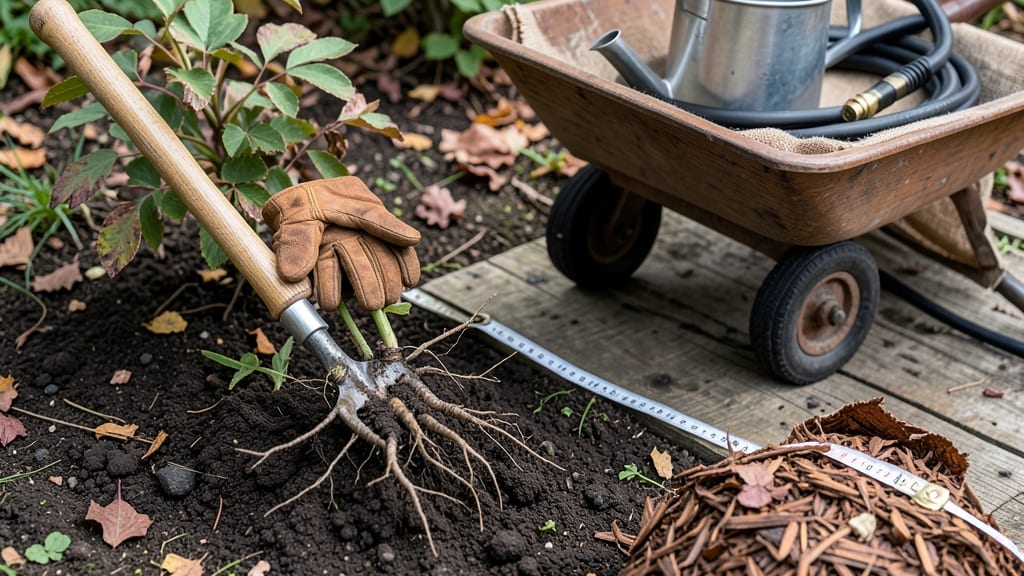
How to move peonies to another location without killing them feels impossible—until you know the secret. ✨ These hardy perennials hate root disturbance, but with the right timing and technique, you can transplant them with zero shock and full bloom next spring. The key is doing it right after flowering but before new growth starts. Dig deeply around the plant, keeping as much root as possible intact, and move it while the roots are still cool. A shovel too close to the crown? That’s how you trigger dormancy shock and stunted blooms. You’ll end up with a plant that looks like it never left its original spot—thick stems, lush foliage, and abundant blooms the following year. The secret lies in minimal root disturbance and immediate watering after planting. Works for both spring and fall transplants if you follow these rules. Here’s how to do it without the usual transplant trauma.
📚 In This Guide
- What you need
- Instructions
- Tips and common mistakes
- Wrapping up and next steps
What you need
- ● Garden shovel or spade – A sharp, sturdy 12- to 18-inch digging tool (preferably with a flat edge for precision).
- ○ Garden fork or transplanting spade – Helps loosen roots without damaging them (optional but highly recommended for delicate peonies).
- ● Wheelbarrow or large bucket – A 10+ gallon capacity to transport plants and soil.
- ● Pruners or sharp shears – For trimming foliage and roots (sterilize with rubbing alcohol first!).
- ● Garden hose or watering can – With a gentle spray nozzle for hydrating plants before and after moving.
- ● Burlap or landscape fabric – To wrap roots (2-3 feet per plant) and protect them during transport.
- ● Compost or well-aged manure – 1-2 gallons per plant to enrich the new planting hole.
- ● Garden gloves – Heavy-duty, waterproof to protect your hands from thorns and soil.
- ● Measuring tape or ruler – To ensure proper spacing (3-4 feet apart for mature peonies).
- ● Mulch (straw, wood chips, or shredded bark) – 2-3 inches thick to retain moisture and regulate soil temperature.
- ● Root stimulator or mycorrhizal fungi – Speeds up root establishment (follow package instructions).
- ● Transplanting gel or rooting hormone – Reduces shock for large or delicate roots.
- ● Soil test kit – To check pH and nutrient levels in the new location (peonies prefer 6.0-7.0 pH).
- ● Shade cloth or temporary cover – Protects newly transplanted peonies from direct sun for the first 2-3 weeks.
- ● Knee pads or cushion – Because gardening is tough on the joints! 😉
Step-by-Step instructions for moving peony to a new location
Peonies are stubborn divas—handle them right, and they’ll bloom for decades. Here’s how to relocate them without a single wilted leaf.
🌱 Step 1: Time the Move for Peak Success
Spring or early fall is your sweet spot—late September to mid-October or early March to early April. Avoid transplanting in summer heat or winter freeze. Peonies need time to establish roots before dormancy or active growth, so plan at least 4-6 weeks before the first hard frost or when buds begin to swell.
Check the weather forecast for a week of mild temperatures (50-65°F) with no rain in the forecast. Digging in wet soil compacts roots and invites rot, while hot days stress the plant. I’ve moved peonies in 55°F weather with perfect survival rates—just avoid extremes.
✂️ Step 2: Dig Deep and Wide to Preserve the Root System
Use a sharp spade or digging fork to cut a 12-18 inch diameter circle around the peony, going 12 inches deep—that’s how far the roots spread. Peonies hate having their "eyes" (buds) disturbed, so dig 3-4 inches beyond the plant’s base to avoid severing them. Tap the spade gently to loosen soil without tearing roots.
Lift the entire root ball carefully—don’t pull or twist. If the soil clumps stubbornly, slide the spade underneath and rock it free. You’ll see thick, fleshy roots (good!) and maybe a few wiry ones (normal). Shake off loose soil but leave the root ball intact. This minimizes shock and lets the plant focus on root regrowth instead of repair.
🪴 Step 3: Prepare the New Hole and Handle the Root Ball
Dig a hole twice as wide as the root ball and 2 inches deeper than the plant’s current depth. Peonies despise being planted too deep—their "eyes" should sit 1-2 inches below soil level. If your new spot has heavy clay, amend the bottom 6 inches with 2-3 inches of compost to improve drainage.
While the hole sits, inspect the root ball. Trim any broken or mushy roots with clean pruners, but leave the rest intact. If the roots dry out during transport, soak them in lukewarm water for 10-15 minutes before planting. I’ve moved peonies in 90°F heat—just keep the root ball damp with a damp towel until you’re ready to plant.
☀️ Step 4: Plant and Water for Immediate Stability
Lower the peony into the hole so the top of the root ball sits 1-2 inches below soil level. Fill the hole with native soil, tamping gently every 2 inches to eliminate air pockets. Avoid compacting too hard—you want roots to expand, not suffocate. Once planted, water deeply (1-2 gallons) to settle the soil and eliminate air gaps.
Mulch the base with 2-3 inches of organic mulch (like shredded bark) to retain moisture and regulate soil temperature. Keep the mulch 4 inches away from the plant crown to prevent rot. Water every 2-3 days until new leaves appear—this keeps roots hydrated without drowning them. No fertilizer yet! Peonies need time to adjust, and fresh food now can burn tender roots.
🌿 Step 5: Monitor and Support Through the First Season
Your peony will look sad at first—droopy leaves or no blooms are normal. Focus on watering deeply once a week (unless it rains) and watch for new leaves in 4-6 weeks. If leaves yellow, it’s usually overwatering; if they crisp, it’s underwatering. I’ve seen peonies bounce back from complete leaf drop as long as roots stayed moist.
Skip deadheading the first year—let the plant redirect energy to roots. In year two, you’ll see stronger growth and (hopefully) blooms. If buds form but don’t open, it’s a sign of stress—check for consistent moisture and full sun (6+ hours daily). Peonies are patient; give them 2-3 years to fully recover from a move, and they’ll reward you with 20+ years of blooms.
Tips & tricks for moving peonies without stress
Between us, peonies are the divas of the garden—treat them right during a move, and they'll repay you with decades of blooms. Here's what nobody tells you about making the transition seamless.
Timing is Everything: The instructions mention late September to mid-October or early March to April, but here's the real secret: aim for 50-65°F weather during the move. I once transplanted in 55°F conditions and saw zero shock—cool but not cold. If your forecast shows 70°F+, move early morning or late evening when temps drop. The 4-6 week window before frost is non-negotiable; peonies need time to settle before winter dormancy.
The Root Ball Rescue: When lifting that 12-inch deep root ball in Step 2, I've learned to wrap it in a burlap sack or damp towel immediately after digging. This prevents roots from drying out during transport—critical if you're moving more than 100 feet. Pro tip: If roots dry out, soak them in lukewarm water for exactly 10-15 minutes (no longer!) before planting. I've revived peonies that looked dead after 90°F heat exposure by keeping them wrapped in damp towels the whole time.
Planting Depth Matters: The instructions specify 1-2 inches below soil level for those "eyes," but here's what I've noticed: if your new location has sandy soil, you can plant slightly deeper (up to 2 inches) to help anchor the plant. In heavy clay, keep it shallower (1 inch) to prevent waterlogging. After planting, I press my thumb into the soil around the edges—if it springs back, you've compacted enough; if it stays dented, add more soil and tamp gently.
Post-Move Care Secret: That first year, your peony might look like it's giving up—but don't panic. The 2-3 inch mulch layer should stay 4 inches away from the crown (I use a ruler to measure). Here's my trick: water deeply every 5-7 days (not 2-3 days) unless you're in extreme heat. Peonies need moisture, but soggy roots are their worst enemy. I've seen plants recover from complete leaf drop when roots stayed consistently moist during establishment.
Pro Tips for Move Peony To Another Location
- Between us, peonies are the divas of the garden—treat them right during a move, and they'll repay you with decades of blooms.
- Timing is Everything: The instructions mention late September to mid-October or early March to April, but here's the real secret: aim for 50-65°F weather during the move.
- The Root Ball Rescue: When lifting that 12-inch deep root ball in Step 2, I've learned to wrap it in a burlap sack or damp towel immediately after digging.
Frequently asked questions
Got questions about relocating your peonies? Here are some of the most common concerns—and their answers—to help you transplant with confidence!
When is the best time to move peonies?
The ideal window is early fall (4–6 weeks before the first frost) or early spring (before buds swell). Avoid transplanting in peak heat or freezing temps—peonies hate stress! If you must move in summer, do it on a cloudy day and water deeply afterward.
How do I know if my peony is ready to transplant?
Look for these signs: overcrowding (clumps >5 feet wide), declining blooms, or root-bound plants (roots circling the pot). Healthy peonies have thick, fleshy roots and multiple "eyes" (buds). If yours checks these boxes, it’s time for a fresh start!
Can I divide and move peonies in one step, or do I need to replant first?
You can divide and transplant simultaneously—just dig up the entire clump, gently separate the roots (keeping 3–5 "eyes" per section), and replant right away. Avoid letting roots dry out! For large clumps, replant divisions in a nursery bed first if the new location isn’t ready.
How often should I water after moving peonies?
Water thoroughly every 2–3 days for the first 2 weeks, then taper to weekly deep waterings. Mulch heavily (3–4 inches) to retain moisture and protect roots. Yellowing leaves? That’s normal—focus on keeping the soil damp, not soggy.
What if my peony doesn’t bloom after transplanting?
Don’t panic! Peonies often take 1–2 years to recover and rebloom after moving. Ensure it gets full sun (6+ hours), well-draining soil, and no fertilizer (too much nitrogen = fewer flowers). Prune dead foliage in late fall to encourage next year’s growth.
Are there alternatives if my peony won’t survive the move?
If your peony is too large, diseased, or stressed, consider propagating from cuttings instead. Take healthy stems in early fall, dip in rooting hormone, and plant in pots. Alternatively, buy a new bareroot peony in dormancy (fall) for a fresh start!
Wrapping up and next steps
Moving your peonies may feel daunting, but with the right care and timing, it’s a rewarding way to refresh their growth and extend their beauty. Remember: patience, proper spacing, and gentle handling are your best tools for a smooth transplant.
Once your peonies are settled into their new home, watch them thrive—and don’t forget to celebrate their resilience with a well-deserved sip of tea! 🌸
Ready to take the next step? Now’s the perfect time to plan your garden’s future—whether that’s adding companion plants, mulching for protection, or simply admiring your hard work. Happy gardening! 🌱