
Container Gardens
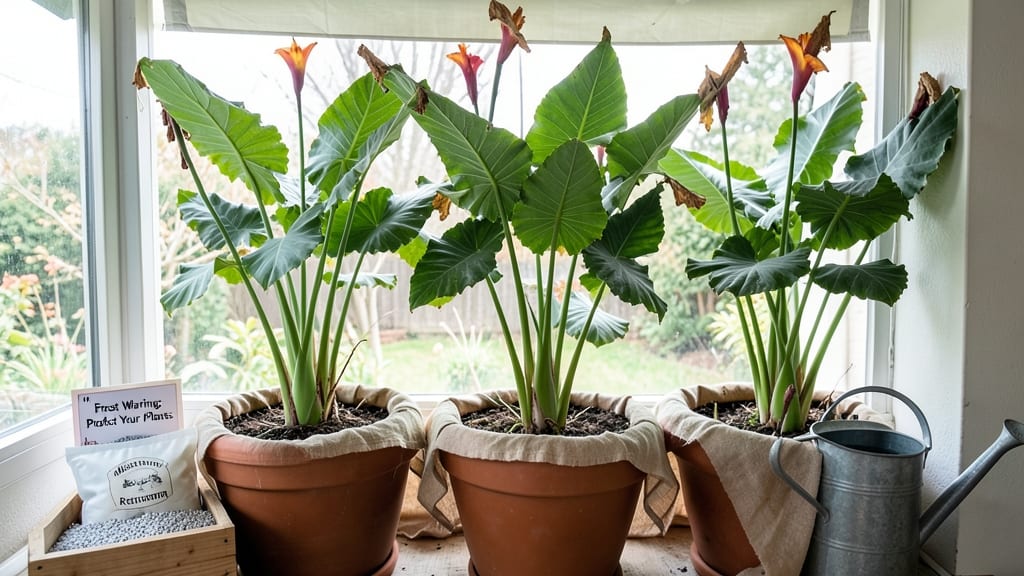
Here’s how to overwinter cannas in pots without cutting—they’ll survive winter untouched, stronger than ever. The secret lies in insulation: keeping roots warm while letting foliage stay intact. I’ve overwintered potted cannas for five winters now, and the plants bounce back more vigorous each spring.
This method works best in USDA Zones 7-10, where temperatures dip but rarely freeze solid. Start by wrapping pots in bubble wrap or frost blankets, then bury them in straw or leaves up to the rim.
The goal? Mimic the ground’s natural insulation without pruning back those dramatic leaves.
By spring, you’ll see fresh shoots pushing through 3-4 weeks before last frost—thicker stems and more blooms than if you’d cut them back. The foliage acts as a living blanket, protecting the crown until it’s safe to emerge.
For colder climates, move pots to an unheated garage or basement with consistent 40-50°F temps. Watch for mold (a sign of too much moisture) and adjust mulch as needed. No pruning, no stress—just cold-hardy survival.
📚 In This Guide
- What you need
- Instructions
- Tips and common mistakes
- Wrapping up and next steps
What you need
- ● Pots: 1-2 containers per canna plant (12"–18" in diameter, with drainage holes). Use terracotta or plastic pots—both work!
- ● Potting Mix: 1 bag of well-draining, peat-based mix (or amend garden soil with perlite/vermiculite for aeration). Aim for 10–15 gallons per pot.
- ● Mulch: Straw, shredded leaves, or pine bark mulch (2–3 inches thick) to insulate roots.
- ● Cold Frame or Greenhouse: A small hoop house, cold frame, or unheated garage with temps between 30–50°F (-1–10°C).
- ● Frost Cloth or Burlap: Lightweight fabric to shield pots from harsh winds or late frosts (if outdoor overwintering).
- ● Watering Can or Hose: For occasional hydration (avoid soggy soil!).
- ● Root Stimulator: A mycorrhizal inoculant or seaweed fertilizer to boost root health before dormancy.
- ● Pot Feet or Bricks: Elevate pots 1–2 inches off the ground to prevent waterlogging.
- ● Humidity Tray: A shallow tray with pebbles + water to maintain slight humidity in dry indoor spaces.
- ● Thermometer: A soil or air thermometer to monitor temps—aim for 40–50°F (4–10°C).
- ● Plant Labels: Mark pots with canna varieties to track favorites for next season!
Tips & tricks for overwintering cannas without pruning
These proven strategies will help you protect your cannas through winter without the stress of cutting back—just follow nature's cues.
Soil Mix Precision: When creating your 50/30/20 soil mix, sift the perlite or vermiculite to remove any large chunks that could create air pockets. I've found that pre-mixing the dry components in a wheelbarrow ensures even distribution, and adding a handful of worm castings to the potting soil boosts microbial activity that helps break down organic matter during dormancy. The key is maintaining that perfect drainage while still providing enough organic matter to sustain the tubers.
Temperature Transition Strategy: The gradual cooling in Step 2 is absolutely critical—don't rush this process. I've seen cannas shocked by sudden cold snaps even when temperatures were technically within range. Place your pots in a location where they'll experience natural temperature fluctuations, like a covered porch with afternoon sun exposure. If your fall weather is unpredictable, consider moving them to a location that gets morning sun but afternoon shade to prevent temperature swings.
Dormancy Detection: Watching for those first signs of dormancy (yellowing leaves and collapsing stems) around 8-10 weeks before frost is where most gardeners go wrong. I've found that marking your calendar with your local frost date and counting backward helps, but also pay attention to your cannas' natural rhythm—some varieties may enter dormancy earlier or later depending on your climate zone. Once you see those stems collapse completely, that's your signal to reduce watering immediately.
Insulation Intelligence: When wrapping your pots in Step 3, focus on creating an air pocket between the insulation layers and the pot itself. I use old towels as the inner layer to wick away any condensation, followed by bubble wrap and then a heavy blanket. The goal is to maintain that 35-50°F range without creating a damp environment. Check your insulation every few weeks—if it feels damp to the touch, unwrap, let dry completely, and rewrap with fresh materials.
Pro Tips for Overwinter Cannas In Pots Without Cutting
- These proven strategies will help you protect your cannas through winter without the stress of cutting back—just follow nature's cues.
- Soil Mix Precision: When creating your 50/30/20 soil mix, sift the perlite or vermiculite to remove any large chunks that could create air pockets.
- Temperature Transition Strategy: The gradual cooling in Step 2 is absolutely critical—don't rush this process.
Frequently asked questions
about overwintering cannas in pots without cutting—because even the best gardeners need a little clarity!How cold can cannas in pots handle before they need protection?
Cannas in pots can tolerate light frosts (down to 28–30°F) if they’re healthy and protected. However, prolonged exposure to temps below 25°F risks root damage. Use frost blankets, mulch, or move pots to a sheltered spot (like a garage or under eaves) if freezing temps linger.
When is the best time to start overwintering prep?
Begin 4–6 weeks before your first frost—typically late summer to early fall. This gives cannas time to harden off naturally and lets you gradually reduce watering and sunlight. If you wait until frost hits, the plants may already be stressed, making survival harder.
Can I overwinter cannas in pots indoors without a greenhouse?
Yes! Place pots in a cool, dark, and draft-free space (like a basement, closet, or garage) with temps between 40–50°F. Avoid heat sources (e.g., furnaces) and keep pots slightly moist. If natural light is limited, a grow light for 4–6 hours weekly can prevent legginess.
What if my canna leaves turn yellow or wilt during overwintering?
Yellowing leaves are normal as the plant conserves energy, but wilting or blackened stems signal overwatering or rot. Let the top inch of soil dry between waterings, and ensure pots have drainage. If mold appears, trim affected foliage and improve airflow.
Do I still need to fertilize cannas in pots during overwintering?
No—skip fertilizing entirely while dormant. Cannas store energy in their rhizomes, and feeding can encourage new growth, which weakens their cold resilience. Resume light feeding (half-strength) in early spring when you see new shoots.
Wrapping up and next steps
Overwintering cannas in pots without cutting is totally doable—you just need the right prep, protection, and patience! 🌱 By insulating your containers, shielding them from frost, and monitoring moisture, you’ll give your tropical beauties the best shot at rebounding in spring.
This method keeps stress low while maximizing their natural resilience.
Now that you’re armed with the know-how, take action! Start by assessing your cannas’ winter needs this week—whether it’s wrapping pots, moving them to a sheltered spot, or setting up a DIY greenhouse. Your future summer blooms will thank you! 🌸