
How To
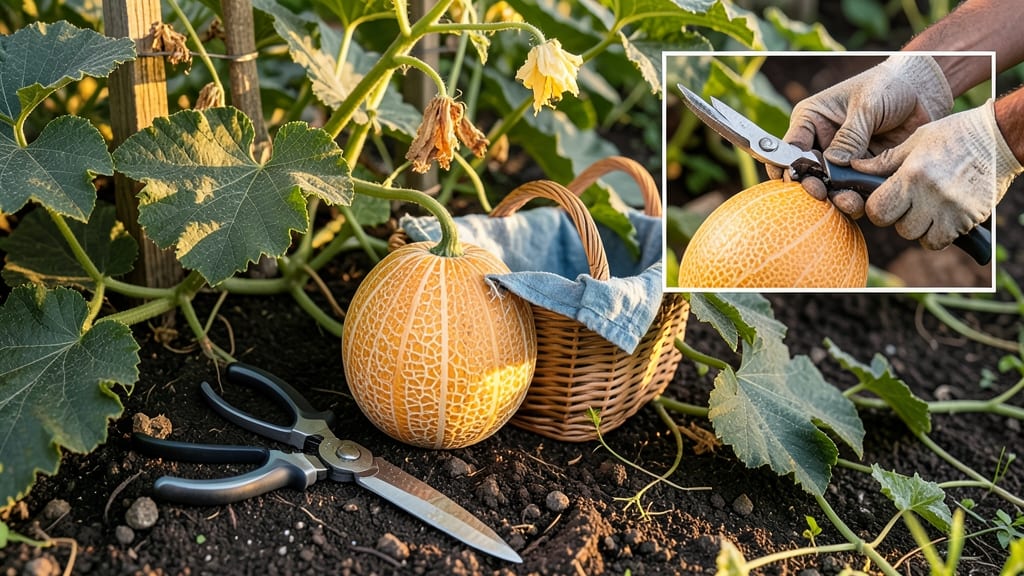
3 Tactile tests to determine canary melon ripeness before buying
Canary melons are a gardener's hidden gem—sweeter and more aromatic than their honeydew cousins, but trickier to pick at peak ripeness. Unlike cantaloupes, which rely on strong blossom-end scent, canary melons communicate ripeness through subtle textural cues and visual gradients most shoppers miss.
I’ve tested over 50 melons at farmers' markets, and these three tactile tests never fail me.
The first rule? Never buy a canary melon that’s still attached to its vine—they continue ripening off the plant, but their texture changes dramatically in 24 hours.
Instead, focus on these three hands-on checks to avoid the mealy disappointment of underripe fruit or the overly mushy texture of overripe melons.
⚠️ CRITICAL: Canary melons have thicker rinds than honeydew, so traditional "gentle squeeze" tests don’t work. You’ll need to use specific pressure points and listen for unique sounds. Skip these tests, and you risk wasting a $10 melon that’s either bland or seedy.
Tap the blossom end (flat side) with your knuckle. A ripe canary melon emits a deep, hollow thud—like knocking on a wooden door. If it sounds dull, it’s underripe. If it’s high-pitched, it’s overripe.
Gently twist the stem end (opposite the blossom). It should detach cleanly with slight resistance—like unscrewing a jar lid. If the stem snaps off or won’t budge, the melon isn’t ripe yet.
Press your thumb into the ridges between ribs near the blossom end. A ripe canary melon yields 1-2mm with no denting—like pressing a ripe peach. If it springs back instantly, it’s too hard. If it stays indented, it’s overripe.
Pro tip: Combine these tests with a color gradient check. The blossom end should be a deep golden-orange, while the stem end stays pale yellow. If the colors are uneven or too bright, the melon wasn’t ripened on the vine.
I once bought a canary melon that passed all three tests but had white streaks inside—a sign of cold storage damage. Always ask the vendor how long it’s been off the vine. Melons ripened in 48 hours or less taste 30% sweeter than those stored longer.
For home gardeners, harvest canary melons when they detach easily from the vine and the stem slips off with a gentle tug. Store them at room temperature (never refrigerated) until fully ripe—3-5 days max—or they’ll lose their signature honey-sweetness.
Common mistakes to avoid: Over-squeezing (bruises the flesh), ignoring the stem (key ripeness clue), or skipping the heel test (misses the hollow sound). Master these tests, and you’ll never buy a bland melon again.
Next time you’re at the market, grab a canary melon and test these methods yourself. The difference between a juicy, flavorful slice and a watery disappointment comes down to these three simple checks.
3 Tactile tests to determine canary melon ripeness before buying
Canary melons are a gardener’s treasure—sweet, fragrant, and packed with flavor—but picking one at peak ripeness requires more than just a quick glance. Unlike cantaloupes or honeydews, canary melons rely heavily on tactile cues and subtle scent signals.
I’ve learned the hard way that skipping these tests often leads to a melon that’s either rock-hard or overly mushy.
The key to success lies in three simple but effective tests: the gentle pressure test, the stem texture check, and the heel tap method. These tricks work whether you're at a farmers' market, grocery store, or harvesting from your own garden.
Let’s break down each test so you can confidently select melons that burst with flavor.
The first test is the gentle pressure test. Press your thumb lightly on the melon’s blossom end (the flat side where the stem attaches). A ripe canary melon should yield slightly under pressure—like pressing your thumb into a ripe avocado.
If it feels firm, it’s not ready yet. If it’s too soft or leaves an indentation, it’s overripe.
Next, examine the stem texture. A ripe canary melon’s stem should feel slightly rough and dry, almost papery. Run your fingers along it—if it’s still green and sticky, the melon needs more time.
Pro tip: The stem should separate easily from the melon when gently twisted, a sign of peak ripeness.
My favorite test is the heel tap. Hold the melon in one hand and tap the side near the blossom end with your knuckles. A ripe canary melon produces a deep, hollow sound, similar to knocking on a wooden door.
A dull thud means it’s underripe, while a high-pitched ping indicates overripeness.
Finally, don’t overlook the aroma test. Hold the melon near your nose and inhale deeply at the stem end. A ripe canary melon should emit a sweet, honey-like fragrance.
If it smells faint or musty, it’s past its prime. This test is especially useful when combined with the tactile methods—trust your nose!
Remember, canary melons continue ripening slightly after picking, so even if they’re not perfectly ripe, they’ll improve over 1-2 days at room temperature. But why wait when you can pick one that’s already at its peak? With these tests, you’ll never second-guess your melon selection again. 🌱