
Picking
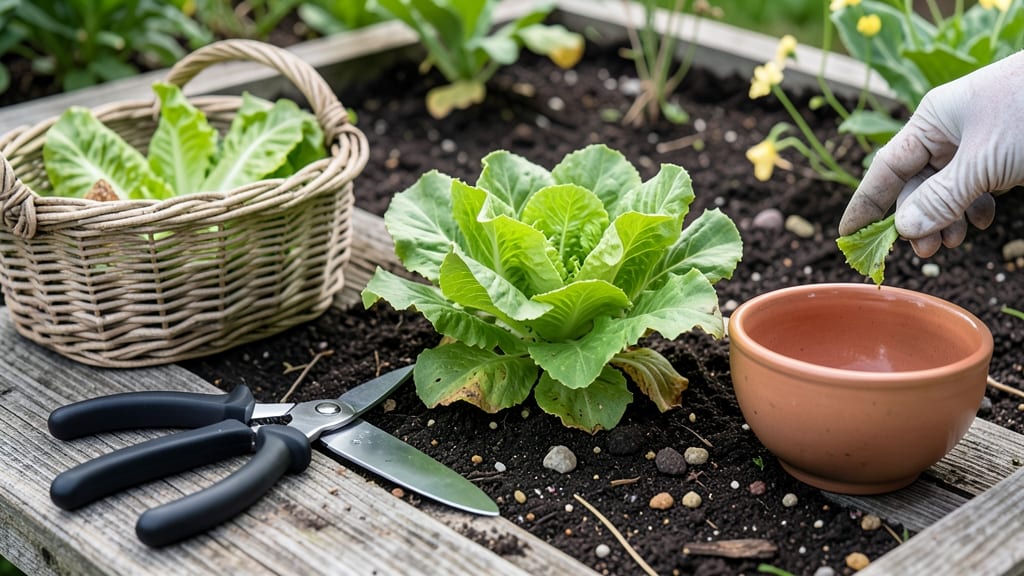
Learning how to pick lettuce so it keeps growing means more greens all season. 🌿 I learned the hard way—cutting the whole head leaves you with limp, sad leaves that never bounce back. The secret is selective harvesting that keeps the plant happy and productive.
Start by picking the outer leaves first, leaving the inner heart intact. Use clean scissors or your fingers to snip just above a leaf node—this encourages new growth from the base. Avoid ever taking more than one-third of the plant at a time, or you’ll stunt regrowth for weeks.
After harvesting, water gently at the soil line to prevent disease, and add a light layer of compost. Your lettuce will reward you with new growth in 7-10 days, and with proper care, you’ll have a continuous supply for months. The key is patience and precision—never rush it.
This method works for all lettuce types—romaine, butterhead, or loose-leaf—even in small containers. Just remember: less is more when it comes to picking. Your future salads will thank you!
📚 In This Guide
- What you need
- Instructions
- Tips and common mistakes
- Wrapping up and next steps
What you need
- ● Fresh lettuce plants – Choose healthy, mature heads (butter, romaine, or leaf lettuce work best for regrowth).
- ● Sharp scissors or pruning shears – A clean, sterilized pair (7–10 inches long) to avoid damaging leaves or spreading disease.
- ○ Gloves (optional but recommended) – Lightweight gardening gloves to protect hands from dirt and prickly stems.
- ● Watering can or hose with a gentle spray nozzle – For post-harvest hydration.
- ● Compost or fertilizer (balanced, 10-10-10 or organic) – A small bag (5–10 lbs) to replenish nutrients after harvesting.
- ● Harvest basket or tray – To collect outer leaves without bruising them.
- ● pH testing kit – Ensures soil pH stays in the ideal range (6.0–7.0) for lettuce.
- ● Mulch (straw or shredded leaves) – Helps retain moisture and protect regrowing lettuce from pests.
- ● Shade cloth (30–50%) – If harvesting in hot climates to prevent stress on the plant.
Instructions for harvesting lettuce without stunting growth
Here’s my foolproof method for harvesting lettuce—you’ll get fresh greens for weeks without sacrificing the plant.
🌿 Step 1: Wait Until Lettuce Reaches 4-6 Inches Tall
Harvesting too early stresses young plants and slows regrowth. Wait until your lettuce develops a sturdy base with at least 4-6 inches of height. You’ll see the outer leaves fully unfurled and the inner leaves still tightly wrapped—this is your cue that the plant is ready. Avoid harvesting before this stage, even if the outer leaves look tempting. The plant needs energy stored in its core to bounce back after cutting.
Pinch off any flower stalks that appear—lettuce bolts when it flowers, and that’s the end of your harvest. I check daily once the plant hits 4 inches because bolting can happen fast in warm weather. If you spot a tall, skinny stem shooting up, snip it immediately to redirect the plant’s energy into leaf production.
✂️ Step 2: Snip Outer Leaves at the Base
Use clean, sharp scissors or your fingers to pluck the outer 1/3 of the plant, cutting just above the soil line. Never pull leaves—this tears the plant and leaves behind damaged stems that rot. I like to hold the leaf between my thumb and forefinger and give it a firm tug to snap it cleanly at the base. This method leaves the inner leaves intact and undisturbed, so the plant can keep growing.
Focus on mature outer leaves first—they’re bigger, more flavorful, and won’t stunt the plant’s growth. If you harvest the youngest inner leaves, you’re removing the plant’s future growth points. You’ll know you’re doing it right when the inner leaves stay plump and green, with no signs of stress or yellowing.
💧 Step 3: Water and Fertilize After Harvesting
After cutting, water the lettuce deeply to 1 inch below the soil line. The roots need moisture to recover and send out new leaves. I use a watering can with a gentle spray nozzle to avoid disturbing the soil or dislodging the remaining leaves. Let the soil dry slightly between waterings—soggy soil leads to rot and weak regrowth. If the soil feels damp more than 1 inch down, wait another day before watering again.
Add a balanced liquid fertilizer (like 10-10-10) diluted to half-strength to give the plant a nutrient boost. Lettuce is a heavy feeder, and harvesting depletes its reserves. I fertilize every 2-3 weeks or after each major harvest to keep the plant producing. Avoid over-fertilizing—too much salt burns the roots and stunts growth.
☀️ Step 4: Monitor Light and Space for Regrowth
Lettuce needs 4-6 hours of sunlight daily to regrow properly. If your plants are in partial shade, they’ll grow slowly and produce small, bitter leaves. Move them to a sunnier spot if possible, or supplement with a grow light for 12-14 hours per day. You’ll see new leaves emerging from the center within 5-7 days if the plant has enough light and nutrients.
Thin crowded plants to give remaining leaves 6-8 inches of space between them. Overcrowding leads to weak stems and increased disease risk. If your lettuce is bolting (sending up a tall flower stalk), cover it with a shade cloth to cool the soil and slow the process. Bolting is often triggered by heat or stress—keeping the plant cool and well-watered can buy you a few more weeks of harvests.
⏰ Step 5: Repeat the Process Every 2-3 Weeks
Once you’ve mastered the first harvest, you’ll notice a rhythm: new leaves form, mature, and can be harvested again in 2-3 weeks. I set a reminder to check my lettuce every 10 days—this keeps me from harvesting too much at once. The key is consistency: the plant needs time to recover between cuts. If you harvest too frequently, the center will become bare and stop producing.
In cooler weather, lettuce regrows faster and can handle more frequent harvesting. In hotter months, slow down—heat stresses the plant, and it may take longer to bounce back. If the center looks tired or the leaves turn yellow, give the plant a break for a week or two. With the right care, a single lettuce plant can provide continuous harvests for 6-8 weeks or even longer.
Tips & tricks for continuous lettuce harvesting
These simple strategies will help you extend your lettuce harvests from weeks to months without sacrificing plant health.
Timing Secret: The 4-6 inch height guideline in Step 1 is your best friend—this is when the plant has stored enough energy in its core to recover. I've learned the hard way that harvesting too early (before 4 inches) stresses the plant and can actually stunt future growth. Look for fully unfurled outer leaves with tightly wrapped inner leaves as your perfect harvest signal. This tells you the plant is mature enough to handle cutting without going into shock.
Harvest Technique: When you're ready to harvest that outer 1/3 in Step 2, use your fingers instead of scissors for the first few tries. The gentle tug method creates a clean break at the base without damaging the stem. I've found that scissors can accidentally cut too close to the center, which removes growth points. For larger leaves, clean scissors are fine—but always cut just above the soil line to prevent rot. The goal is to leave the inner leaves undisturbed so they can continue growing.
Regrowth Strategy: After harvesting, the 10-day check-in in Step 5 is crucial for maintaining momentum. This gives the plant enough time to recover between harvests while keeping you on track for new growth. In cooler weather (below 70°F), you can harvest every 2 weeks, but in hotter months (above 80°F), extend to 3 weeks to prevent stress. I've seen plants completely stop producing when harvested too frequently in heat—give them a break when they look tired!
Light Optimization: The 4-6 hours of sunlight requirement in Step 4 is non-negotiable for regrowth. If your plants are in partial shade, try moving them to a sunnier spot for just 2-3 hours in the afternoon—this small adjustment can make a huge difference. For container growers, a simple grow light on a timer for 12-14 hours gives consistent results. I've had lettuce bolt prematurely when light was inconsistent, so maintaining this routine is key to continuous harvests.
Pro Tips for Pick Lettuce So It Keeps Growing
- These simple strategies will help you extend your lettuce harvests from weeks to months without sacrificing plant health.
- Timing Secret: The 4-6 inch height guideline in Step 1 is your best friend—this is when the plant has stored enough energy in its core to recover.
- Harvest Technique: When you're ready to harvest that outer 1/3 in Step 2, use your fingers instead of scissors for the first few tries.
Frequently asked questions
Got questions about harvesting lettuce without stunting growth? We’ve got answers! Here are some of the most common concerns—and how to tackle them.
How do I know when my lettuce is ready to harvest?
Lettuce is ready to harvest when the outer leaves reach about 6–8 inches tall or when they’re large enough for your needs. Avoid waiting until the whole head is mature—this can lead to bolting (flowering) or bitter taste. For loose-leaf varieties, you can start picking as soon as the first leaves are big enough to eat!
How often should I harvest lettuce for continuous growth?
Harvest outer leaves every 1–2 weeks, depending on growth speed and weather. In warm conditions, you might need to harvest more frequently to prevent bolting. Always leave the inner leaves and the core intact—this encourages regrowth. Think of it like trimming your hair: small, regular cuts keep it healthy and full!
What should I do if my lettuce starts to bolt (go to seed) too soon?
Bolting is often triggered by heat or long daylight hours. To slow it down, provide shade cloth (30–50% coverage) during peak sun, keep soil moist, and avoid over-fertilizing with nitrogen. If it’s already bolting, harvest the leaves quickly before they become bitter. For future crops, opt for heat-tolerant varieties like Romaine or Buttercrunch.
Can I harvest lettuce if it’s small or young?
Young, tender leaves are sweeter and more delicate—perfect for salads or garnishes. Just pick a few outer leaves at a time, leaving the center to grow. This method works great for microgreens or baby lettuce. Pro tip: Use small, sharp scissors or your fingers to avoid damaging the plant.
What if my lettuce keeps growing back but tastes bitter?
Bitter flavor usually means the lettuce is stressed from heat, drought, or over-maturity. To fix it, harvest more aggressively to keep the plant cool and hydrated. Mulch with straw to retain moisture, and consider succession planting with shade-tolerant varieties like Oakleaf or Lollo Rossa for milder flavor.
Wrapping up and next steps
Picking lettuce the right way doesn’t have to be complicated—just
Now that you’re ready to harvest like a pro, why not expand your garden? Try growing other leafy greens like spinach or kale using the same method—your future salads will thank you! 🥗✨