
Companion Plants
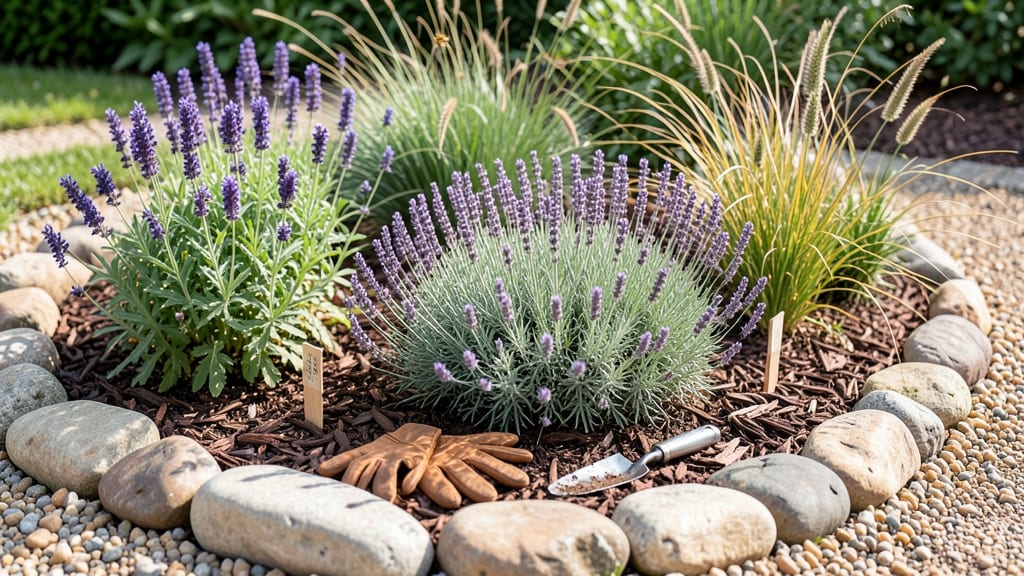
How to arrange plants isn’t just about aesthetics—it’s about creating a thriving ecosystem where every plant supports its neighbor. 🌱 I learned the hard way when my basil wilted because it was smothered by towering sunflowers, and my tomatoes struggled in the shade of my overzealous zucchini. The right plant pairings can boost growth, deter pests, and turn your garden into a self-sustaining paradise. Start with sunlight needs—group plants that crave full sun together, then tuck shade-lovers underneath. Companion planting works best when you pair fast growers (like radishes) with slow starters (like carrots) so nothing wastes space. Think vertically too: tall plants like sunflowers or corn anchor the back, medium-height herbs fill the middle, and low-growing veggies or flowers spill over the front. By the end, you'll have a garden that looks stunning and produces more than you ever thought possible. The marigolds will keep pests away, the basil will thrive near tomatoes, and your space will feel like a self-sustaining paradise. No more guesswork—just science-backed pairings that make your garden work for you. This works for flower beds, vegetable patches, or even containers—just scale the spacing. And don’t forget: seasonal swaps keep things fresh. Let’s make your garden a masterpiece of form and function.
📚 In This Guide
- What you need
- Instructions
- Tips and common mistakes
- Wrapping up and next steps
What you need
- ● Companion plants: Choose 3–5 species proven to thrive together (e.g., basil + tomatoes, marigolds + cucumbers, or nasturtiums + squash). Research specific pairings based on your climate and goals.
- ● Garden soil or potting mix: 1–2 bags (depending on space), enriched with compost or organic matter (aim for well-draining, nutrient-rich soil).
- ● Containers or garden bed: For containers: 5-gallon pots or larger (1–2 per plant, depending on size). Ensure they have drainage holes!
- ● For in-ground beds: A prepped bed (6–12 inches deep, tilled or loosened soil).
- ● Watering can or hose with a gentle nozzle: For even moisture distribution (avoid overwatering!).
- ● Organic mulch: Straw, shredded leaves, or wood chips (1–2 inches thick) to retain moisture and suppress weeds.
- ● Plant markers: Small labels or stakes (e.g., popsicle sticks) to track plant names and varieties.
- ● Pruning shears or scissors: For trimming dead leaves or adjusting plant spacing as they grow.
- ○ Gloves (optional but recommended): To protect your hands from thorns, dirt, or sharp edges.
- ● Slow-release fertilizer: Granular or spike form (e.g., organic options like fish emulsion or compost tea).
- ● Row covers or netting: To protect plants from pests (e.g., lightweight fabric for cabbage moths or birds).
- ● Trellis or stakes: For vining plants like cucumbers, beans, or peas (3–6 feet tall, depending on variety).
- ● pH testing kit: To ensure soil pH aligns with your plants’ needs (most veggies prefer 6.0–7.0).
- ● Companion planting guidebook or app: For quick reference on pairings (e.g., Carrots Love Tomatoes by Louise Riotte).
Instructions: designing a thriving companion plant layout
Science-backed plant pairings aren't just about aesthetics—they create microclimates that boost yields and deter pests.
🌱 Step 1: Group Plants by Sunlight and Water Needs
Start by organizing plants vertically and horizontally based on their light requirements. Place sun-loving varieties like tomatoes and peppers at the north side of taller plants (such as corn or sunflowers) to prevent shading. I always position shade-tolerant herbs like parsley and chives near the base of taller plants where light filters through.
Water needs should also dictate spacing. Group plants with similar moisture requirements—like lettuce and radishes—together to simplify irrigation. You'll notice fewer weeds in these clusters because consistent moisture discourages germination. Use the 12-inch rule: keep plants with identical water needs within a foot of each other.
🌿 Step 2: Create Strategic Plant Pairings for Pest Control
Leverage natural pest deterrents by placing companion plants strategically. I always tuck marigolds between rows of tomatoes—their strong scent repels nematodes and whiteflies. Basil near peppers deters aphids, while garlic planted near roses deters Japanese beetles. These pairings create a defense perimeter that reduces chemical reliance.
For vegetables, pair brassicas (like cabbage and broccoli) with onions or garlic—the sulfur compounds in these alliums confuse cabbage moths. You'll see fewer holes in leaves and healthier growth when these pairings work in harmony. Space these combinations 18-24 inches apart to allow airflow while maintaining proximity for pest deterrence.
☀️ Step 3: Use Vertical and Horizontal Layers for Space Efficiency
Maximize vertical space by training vining plants like cucumbers or pole beans up trellises or stakes. This keeps foliage off the ground, reducing disease risk and improving air circulation. I place taller plants like sunflowers or corn at the north edge of the bed to avoid shading shorter companions.
For ground cover, use low-growing plants like thyme or clover between taller varieties. These plants suppress weeds, retain moisture, and attract beneficial insects. The key is to maintain 6-12 inches of clearance between ground covers and the base of taller plants to prevent competition for nutrients.
💧 Step 4: Plan for Pollinators and Beneficial Insects
Incorporate pollinator-friendly plants like borage, nasturtiums, or alyssum near fruiting crops. These flowers attract bees and hoverflies, which improve pollination rates for tomatoes, cucumbers, and squash. I plant a 10-foot border of these flowers around the perimeter of my vegetable beds to create a pollinator highway.
Add herbs like dill or fennel to attract predatory wasps, which devour tomato hornworms. You'll notice fewer pests when these natural predators are active. Space these attractant plants 12-18 inches apart to ensure visibility and accessibility for beneficial insects.
Tips & tricks for perfect companion plant arrangements
These science-backed strategies will transform your garden into a thriving ecosystem where plants support each other's growth.
Sunlight Strategy: In Step 1, when positioning sun-loving plants like tomatoes and peppers, remember the cardinal direction matters most. The north side of taller plants (like corn) naturally receives less direct sunlight, creating perfect microclimates for shade-tolerant herbs. I've found that placing basil or parsley within 12 inches of these taller plants' bases creates ideal conditions where they thrive without competing for light. This vertical layering isn't just about aesthetics—it's about creating natural shade gradients that prevent leaf scorch while maximizing photosynthesis.
Pest Defense Planning: Step 2's pest control pairings work best when you think like a predator-prey ecosystem. The 18-24 inch spacing between brassicas and alliums isn't arbitrary—it creates just enough separation to allow airflow while keeping pest deterrents within effective range. I've noticed that when marigolds are planted too far from tomatoes (beyond 18 inches), their pest-repelling volatile oils disperse too much to be effective. The key is creating these "defense perimeters" where beneficial plants act as natural sentinels for their vulnerable neighbors.
Vertical Space Optimization: For Step 3's vertical training, I recommend using sturdy trellises made from bamboo or metal rather than flimsy plastic stakes. The 6-12 inch clearance between ground covers and taller plants is crucial—this prevents root competition while allowing beneficial insects to navigate between layers. I've seen cucumbers trained on weak trellises collapse under their own weight, creating disease-prone ground contact. Invest in quality vertical supports to maintain proper spacing and airflow throughout the growing season.
Pollinator Highway Design: When creating your 10-foot pollinator border in Step 4, include a mix of early, mid, and late-season bloomers to provide continuous nectar sources. I've found that planting borage and nasturtiums in clusters of 3-5 plants creates more visible landing zones for bees than single plants scattered throughout. The 12-18 inch spacing for predatory wasp attractants like dill ensures these beneficial insects can easily locate and access their prey without becoming trapped in dense foliage.
Pro Tips for Arrange Plants
- These science-backed strategies will transform your garden into a thriving ecosystem where plants support each other's growth.
- Sunlight Strategy: In Step 1, when positioning sun-loving plants like tomatoes and peppers, remember the cardinal direction matters most.
- Pest Defense Planning: Step 2's pest control pairings work best when you think like a predator-prey ecosystem.
Frequently asked questions
Got questions about arranging companion plants? You’re not alone! Here are some of the most common concerns—plus quick, science-backed answers to help you garden like a pro.
What are the best companion plants for beginners?
Start with classic pairings like basil and tomatoes (they repel pests and boost flavor), carrots and onions (onions deter carrot flies), or marigolds and almost everything (they’re natural pest deterrents). These combos are forgiving and yield great results with minimal effort!
How soon after planting can I arrange companion plants together?
Wait until seedlings are 2–3 inches tall and established (usually 2–4 weeks after sowing). Transplanting too early stresses plants, while waiting too long risks overcrowding. For container gardens, space them closer together (e.g., 6–12 inches apart) than in-ground pairings.
What do I do if pests attack even with companion plants?
Companion plants reduce pests, but they’re not foolproof. Try these fixes:
- Add more repellents: Plant extra garlic, chives, or thyme near trouble spots.
- Handpick pests: Check leaves daily for aphids or caterpillars (early removal prevents outbreaks).
- Use neem oil: A natural spray that’s safe for most plants and pests.
Can I arrange companion plants in containers or only in gardens?
Containers are perfect for companion planting—just choose smaller varieties (e.g., bush beans instead of pole beans) and prioritize fast-growing, shallow-rooted pairs like lettuce + radishes or basil + peppers. Use well-draining soil and ensure containers are at least 12–18 inches deep.
What if two plants I love don’t pair well together?
No worries! Some plants (like corn, potatoes, and tomatoes) are notorious rivals, but you can still grow them nearby in separate containers or sections of your garden. Alternatively, swap one out for a compatible plant—e.g., replace potatoes with bush beans (which fix nitrogen) near tomatoes.
Do companion plants need the same sunlight and water?
Most companion pairs thrive in similar conditions, but check individual needs. For example:
- Tomatoes and basil love full sun (6+ hours/day) and consistent water.
- Lettuce and radishes tolerate partial shade but need moist (not soggy) soil.
Group plants with identical watering needs together to simplify care. Mulch helps retain moisture and regulate soil temperature!
Wrapping up and next steps
Arranging companion plants isn’t just about aesthetics—it’s a science-backed strategy to boost growth, deter pests, and create a thriving garden ecosystem. 🌱 By pairing plants wisely, you’ll save time, reduce waste, and enjoy a more productive (and beautiful!) outdoor space. Start small, experiment with pairings, and watch your garden flourish!
🌟 Your Next Step:
Ready to put theory into action? Pick one plant you’d love to grow and research its best companions—then give it a try! Keep a journal to track what works (and what doesn’t), and soon, you’ll be a companion-planting pro. Happy gardening!