
Neem Oil
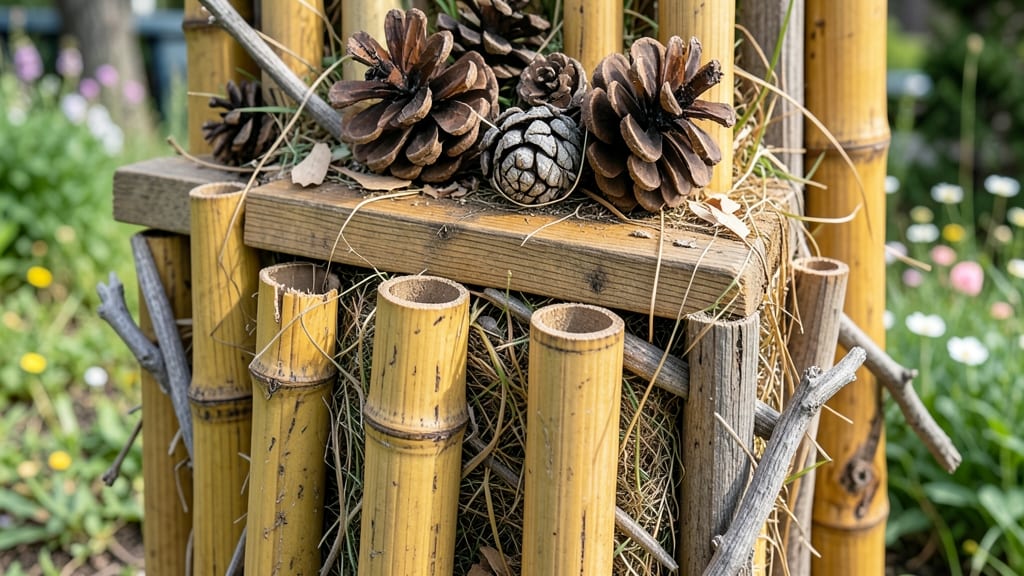
Building a bug hotel transforms your garden into a thriving ecosystem. 🌿 I learned this after watching bees and ladybugs disappear from my yard—until I created their own cozy retreat. This simple structure turns empty corners into a buzzing hub of activity, supporting pollinators that keep your plants healthy.
The materials are surprisingly basic: bamboo canes, pinecones, hollow stems, and a sturdy wooden base. You don’t need fancy tools—just a saw, drill, and a bit of creativity.
The best part? It takes less than 2 hours to assemble, and the results are immediate: more bees, butterflies, and beneficial insects working for your garden.
Your garden will thank you with fewer pests and more blooms. The hotel provides shelter for overwintering insects, which means stronger pollination next spring. Plus, it’s a fun project to tackle on a weekend—kids love helping stack the materials!
Place it near flowers or shrubs for easy access, and check it seasonally to refresh materials. A little maintenance keeps it functioning for years, making it one of the most rewarding garden projects you’ll ever try.
📚 In This Guide
- What you need
- Instructions
- Tips and common mistakes
- Wrapping up and next steps
What you need
- ● Container: A wooden crate (12" x 12" x 12"), hollowed log, or upcycled materials (e.g., old pallets, PVC pipes).
- ● Natural Fillings: Dried stems (e.g., lavender, sunflower, or raspberry canes) – 5-10 bundles.
- ● Pinecones – 5-8 medium-sized.
- ● Bamboo canes – 10-15 sticks (split lengthwise for hollows).
- ● Straw or hay – 1-2 handfuls (untreated, pesticide-free).
- ● Leaf litter or deadwood – 1-2 cups (great for beetles and spiders).
- ● Moss or coconut fiber – 1 small handful (for moisture retention).
- ● Roofing: A wooden board, slate, or corrugated metal sheet to shield from rain.
- ○ Basic tools: Hammer, nails/screws, drill (optional), and a saw (if cutting wood).
- ○ Optional upgrades: Non-toxic wood glue for securing fillings.
- ● Waterproof sealant (e.g., beeswax) for the roof.
- ● Small pebbles or gravel for drainage at the base.
- ● Mesh or chicken wire to reinforce weak spots.
- ● Choose a shady, sheltered spot (e.g., under a tree or fence) to protect from harsh weather.
- ● Avoid pesticides or chemicals—your bug hotel must be 100% organic!
- ● Check local wildlife regulations (some areas restrict certain materials).
Step-by-step instructions for building a bug hotel
Here’s how to create a thriving micro-habitat that invites beneficial insects and wildlife into your garden.
🪴 Step 1: Choose and Prepare Your Structure
Start with a sturdy wooden frame or repurpose materials like bamboo stakes, old pallets, or even a hollowed-out log. I like to use a 4-foot-tall structure with multiple compartments—think of it like a tiny apartment building for insects. If using untreated wood, seal it with non-toxic paint or leave it natural to encourage nesting. Place your bug hotel in a shady, sheltered spot—direct sun dries out moisture-sensitive species like bees and lacewings.
Drill or cut varied-sized holes (from ¼-inch to 2 inches) to accommodate different species. Larger holes (1-2 inches) attract solitary bees and wasps, while smaller ones (¼-inch) suit mason bees and leafcutter bees. Avoid sharp edges—sand them down to prevent harm to delicate insects. This is the foundation, so take your time here. A poorly constructed hotel won’t last the season.
🌿 Step 2: Fill Compartments with Natural Materials
Layer your compartments with dry, untreated materials that mimic natural nesting sites. Start with pinecones, hollow stems, and bamboo canes—these provide cozy nooks for solitary bees. Add deadwood, twigs, and bark for beetles and spiders, which love the texture and shelter. I always include dried leaves and grass clumps in one section—these attract lacewings and other predatory insects that help control garden pests.
Don’t forget coconut fibers or rolled-up newspaper for smaller insects like earwigs. These materials retain moisture and create the perfect microclimate. Avoid plastic or treated wood—it repels wildlife and can harm insects. The key is variety: a diverse hotel supports a diverse ecosystem. If you’re short on materials, forage in your garden or collect fallen branches from local parks (just avoid pesticides!).
💧 Step 3: Add Moisture-Retaining Elements
Insects like a balance of dry and damp environments. Fill one section with sand or small pebbles—this helps regulate humidity for species like ground-nesting bees. Add a small water reservoir (a shallow dish with a sponge) in another compartment. The sponge should stay damp but not soggy—think of it like a tiny oasis. You’ll see bees and other pollinators using it to drink and bathe.
Place a bundle of reeds or straw near the water source—this gives insects a place to perch while they hydrate. Avoid overwatering; stagnant water breeds mosquitoes. Instead, mist the sponge every 2-3 days during dry spells. Watch for signs of activity: tiny mud tubes or chewed plant material mean your hotel is working! This step is often overlooked, but moisture is critical for survival.
☀️ Step 4: Position and Maintain Your Bug Hotel
Install your bug hotel in a quiet, sheltered spot—away from lawnmowers, strong winds, and direct sunlight. A north or east-facing wall works best. Secure it firmly to prevent toppling, especially if you’re in a windy area. I like to place mine near my vegetable garden so pollinators can easily visit flowers while foraging. Avoid moving it once established—insects are creatures of habit and may abandon it if relocated.
Check your hotel monthly to remove debris and replenish materials. In late winter or early spring, give it a gentle shake to dislodge any hibernating insects. If you notice mold or excessive moisture, adjust the materials or move the hotel to a drier location. Over time, you’ll see signs of life: tiny holes, chewed leaves, or even the occasional bee emerging in the morning. That’s your reward—you’ve created a thriving ecosystem!
⏰ Step 5: Monitor and Enhance Over Time
Keep a simple log of visitors—note which insects appear and when. This helps you refine future hotels. For example, if you notice a lack of bees, add more drill holes in untreated wood next time. If spiders dominate, include more dense foliage or bark. The goal is balance, so observe and adapt. I’ve found that adding a small patch of native wildflowers nearby boosts pollinator traffic exponentially.
In autumn, leave the hotel undisturbed—many insects overwinter inside. Only clean out old materials in early spring before new residents arrive. Over time, your bug hotel will become a bustling hub of activity, proving that even small spaces can support biodiversity. The best part? You’re not just building a structure; you’re fostering a tiny, thriving community right in your backyard.
Tips & tricks for building the perfect bug hotel
Here's what I've learned from years of watching my bug hotels transform from empty structures to buzzing ecosystems.
Design Matters: The 4-foot height recommendation isn't arbitrary—it creates the ideal vertical habitat for different species. Taller hotels attract flying insects that prefer elevated nesting sites, while shorter sections (around 12-18 inches) work better for ground-dwelling species. I've found that adding a sloped roof section prevents rainwater from pooling inside compartments, which can lead to mold and deter residents.
Material Selection: When gathering natural materials, focus on what's locally available—this ensures your hotel blends seamlessly with the ecosystem. For example, I collect hollow stems from native plants in my region, which provide perfect nesting tubes for solitary bees. The key is variety: mix dense materials like bark with airy materials like dried grass to create microclimates that appeal to different species. Avoid anything that might contain pesticides or chemical treatments.
Moisture Balance: That sponge in Step 3 is more important than you might think. The "damp but not soggy" guideline is crucial—think of it as maintaining a humidity level between 40-60%. I've seen hotels fail completely when the sponge was either bone dry or waterlogged. For extra insurance, place a small mesh screen over the water reservoir to prevent mosquitoes from breeding while still allowing insects to access it.
Location Strategy: The shady, sheltered spot recommendation is critical for several reasons. First, it protects delicate insects from temperature extremes. Second, it helps maintain consistent moisture levels in the materials. I've noticed that hotels placed in full sun often dry out too quickly, while those in deep shade can become too damp. The perfect location is usually where morning sun warms the hotel gently but afternoon shade protects it from the hottest part of the day.
Pro Tips for Build A Bug Hotel
- Here's what I've learned from years of watching my bug hotels transform from empty structures to buzzing ecosystems.
- Design Matters: The 4-foot height recommendation isn't arbitrary—it creates the ideal vertical habitat for different ...
- Material Selection: When gathering natural materials, focus on what's locally available—this ensures your hotel blend...
Frequently asked questions
Got questions about creating your own bug hotel? You’re not alone! Here are some of the most common queries—and their answers—to help you build with confidence.
When is the best time to build a bug hotel?
The ideal time is late summer or early autumn (August–October in most regions). This gives beneficial insects time to move in before winter, but you can build year-round if you’re in a mild climate. Just avoid freezing temperatures or extreme heat during assembly.
Can I use recycled materials like old pallets or cardboard?
Recycled materials like untreated wood, bamboo, pinecones, and even cardboard tubes work great. Just avoid treated lumber (toxic chemicals harm wildlife) and plastic. Pro tip: Drill small holes (3–8mm) in wood blocks for solitary bees—they’ll thank you!
What if my bug hotel attracts pests like ants or wasps?
Most "pests" are actually helpful! Ants aerate soil, and wasps prey on garden pests. To deter aggressive species, place the hotel in a shady, slightly elevated spot (like a fence or wall) and avoid sugary materials (like fruit scraps). If wasps are a concern, build with dense materials (e.g., straw, bark) to discourage nesting.
Do I need to clean or maintain my bug hotel?
Minimal maintenance is key! Check it once a year in early spring to remove debris, but never disturb hibernating insects (like mason bees). If mold appears, dry the materials in sunlight. Over time, replace damp or rotting sections to keep it functional.
Will a bug hotel work in urban areas or small yards?
Yes! Even a small balcony or windowsill can host a bug hotel. Use vertical space (hanging or wall-mounted designs) and prioritize native plants nearby to attract pollinators. Urban hotels might need extra protection from wind—secure them tightly to prevent tipping.
Still unsure? Drop your question in the comments—we’re happy to help!
Wrapping up and next steps
Building a bug hotel is a simple yet rewarding way to support local ecosystems and enjoy nature up close! 🌿 With just a few materials and a little creativity, you’ve created a cozy retreat for bees, butterflies, and other beneficial insects. Now that you’re equipped with the knowledge, why not take the next step?
- 🌱 Expand your efforts: Share your bug hotel design with friends or neighbors to inspire more eco-friendly projects!
- 📸 Document the process: Snap photos of your bug hotel and tag us—we’d love to see your creation!
- 🐝 Observe and learn: Watch as your tiny guests move in and thrive—it’s a fascinating (and free!) wildlife show!
Every small action makes a difference. Happy building—and happy hosting! 🐞✨