
Planting
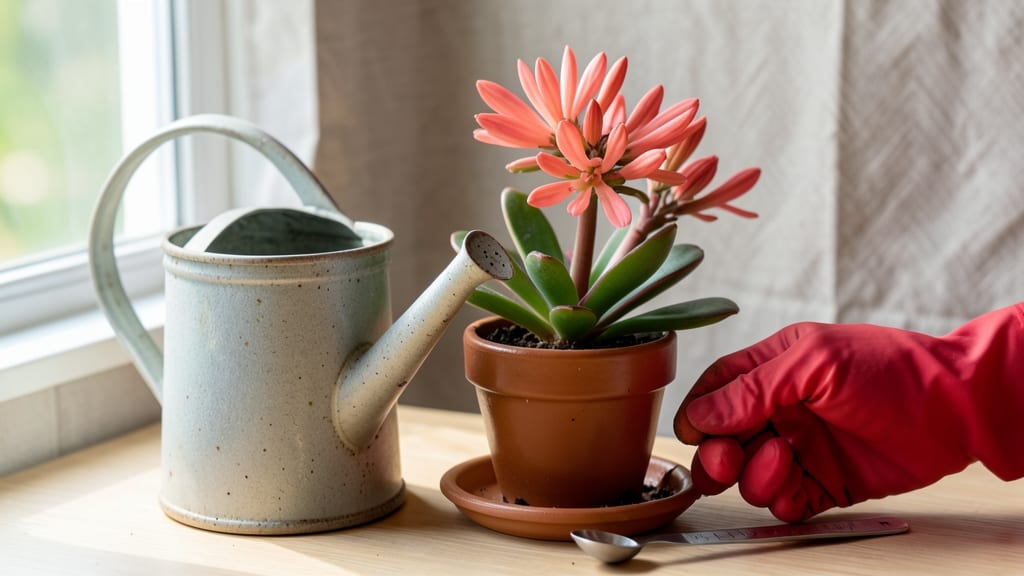
Mastering how to care for a kalanchoe plant indoors water isn't about drowning it in attention—it's about giving it just the right sip. These 🌸 succulent beauties thrive on neglect (almost), but get the watering wrong, and you'll watch their leaves pucker like a sad balloon.
The key? Less is more, and timing matters more than you'd think.
I've nursed more than my share of wilting kalanchoes back to health, and I can tell you: overwatering is the silent killer of these plants. You might think they're begging for a drink, but their plump leaves store moisture like tiny water balloons.
The trick is learning when to step back—because once root rot sets in, even the hardiest kalanchoe can't bounce back.
What if I told you the secret to happy kalanchoes isn't complicated? It's about soil moisture checks, smart pot choices, and knowing when that "thirsty" look is actually a cry for help.
In this guide, I'll walk you through the exact watering routine that keeps your kalanchoe perky, plus how to spot trouble before it's too late.
Ready to turn your brown thumb green? Let's dive into the simple, science-backed watering schedule that'll have your kalanchoe blooming like it's got nothing to worry about—because with the right care, it won't.


Kalanchoe watering schedule: the exact routine to prevent root rot
Mastering your kalanchoe watering schedule is the key to keeping this succulent thriving indoors. Unlike thirsty houseplants, kalanchoes store water in their leaves, making them drought-tolerant but highly sensitive to overwatering.
The golden rule? Let the soil dry completely between waterings—this simple habit prevents root rot, the #1 killer of indoor kalanchoes.
Your watering frequency depends on seasonal changes, humidity levels, and even your home's indoor temperature. In summer, I water my kalanchoe every 2-3 weeks, while winter care drops to every 4-6 weeks.
The trick is to adjust based on your plant's visual cues rather than sticking to a rigid calendar.
Soil moisture tests are your best friend. Stick your finger 1-2 inches deep into the soil—if it feels dry, it's time to water. If it's still damp, wait another 3-5 days. This method eliminates guesswork and keeps your kalanchoe's roots happy without the risk of soggy soil.
Morning watering is ideal because it allows excess moisture to evaporate during the day, reducing fungal risks. Avoid watering at night, as damp leaves can attract pests and promote bacterial growth.
I've seen firsthand how this small habit change saved my struggling kalanchoe from leaf yellowing and stem rot.
Now let's look at the seasonal watering breakdown that will keep your kalanchoe thriving year-round:
| Season | Watering Interval | Soil Moisture Check | Water Amount |
|---|---|---|---|
| Spring | Every 3 weeks | Dry top 1-2 inches | 50-75ml |
| Summer | Every 2-3 weeks | Dry top 1-2 inches | 75-100ml |
| Fall | Every 3-4 weeks | Dry top 1-2 inches | 50-75ml |
| Winter | Every 4-6 weeks | Dry top 1-2 inches | 30-50ml |
💧 Water only when soil is completely dry
Your kalanchoe's pot size also affects watering needs. Smaller pots dry out faster, while larger containers retain moisture longer. I recommend repotting into a 6-inch diameter pot for mature plants—this size provides enough root space without creating water retention issues.
Always use pots with drainage holes to prevent water from pooling at the bottom.
Watch for leaf plumpness as another watering indicator. Healthy kalanchoe leaves should feel firm and slightly thick. If they start looking wrinkled or shriveled, it's a sign your plant needs water. Conversely, puffy or translucent leaves mean you're overwatering—time to adjust your schedule immediately.
For extra insurance against overwatering, I mix perlite or pumice into my kalanchoe soil. These amendments improve drainage and aeration, creating an ideal environment for succulent roots. The result? My plants stay healthier with fewer watering mistakes, and their blooming cycles become more reliable.
Remember: underwatering is less harmful than overwatering for kalanchoes. If you're unsure, it's always safer to water less frequently and let your plant tell you when it needs a drink.
With this seasonal watering guide, your kalanchoe will reward you with vibrant blooms and lush foliage all year round. 🌸
Kalanchoe watering schedule: the exact routine to prevent root rot
Kalanchoes thrive on neglect—well, almost. These succulents store water in their leaves, making them drought-tolerant but highly sensitive to overwatering. The key is a consistent schedule that mimics their natural arid environment.
Unlike thirsty houseplants, kalanchoes prefer dry soil between waterings, so err on the side of underwatering rather than overdoing it.
Start by checking your soil moisture with your finger. Stick it about 1 inch deep—if it feels dry, it's time to water. If it's still damp, wait another week.
Most kalanchoes need water every 2-3 weeks in spring/summer, but this shifts to every 4-6 weeks in winter when growth slows. The seasonal adjustment is critical to avoiding root rot, which can kill your plant in days.
| Season | Watering Frequency | Soil Check Depth | Water Amount |
|---|---|---|---|
| Spring | Every 3 weeks | 1 inch | 50-75ml |
| Summer | Every 2-3 weeks | 1 inch | 75-100ml |
| Fall | Every 3-4 weeks | 1-2 inches | 50ml |
| Winter | Every 4-6 weeks | 2 inches | 30-50ml |
When watering, aim for the soil—not the leaves. Use a small watering can or spray bottle to moisten evenly without creating puddles. Let excess water drain completely from the pot’s bottom—never leave your kalanchoe sitting in a saucer of water.
This drainage habit is non-negotiable for preventing root suffocation, which leads to yellow leaves and mushy stems.
Pro tip: Group your kalanchoes with other succulents or cacti to create a microclimate with lower humidity. These plants thrive in dry air, so avoid placing them near humidifiers or in steamy bathrooms. If you notice wrinkled leaves, it’s a sign of underwatering—give it a drink.
But if the leaves turn yellow and mushy, you’ve overdone it, and you’ll need to repot and trim the damaged roots.
Morning watering is ideal because it allows excess moisture to evaporate during the day, reducing the risk of fungal infections. Avoid watering at night, as damp leaves can attract pests like mealybugs.
Stick to this routine, and your kalanchoe will reward you with vibrant blooms and lush foliage for years to come.
Remember, kalanchoes are forgiving when underwatered but quick to die when overwatered. Trust your soil’s dryness over a calendar—your plant’s health depends on it. With this schedule, you’ll keep your kalanchoe thriving indoors without the guesswork.