
Container Gardens
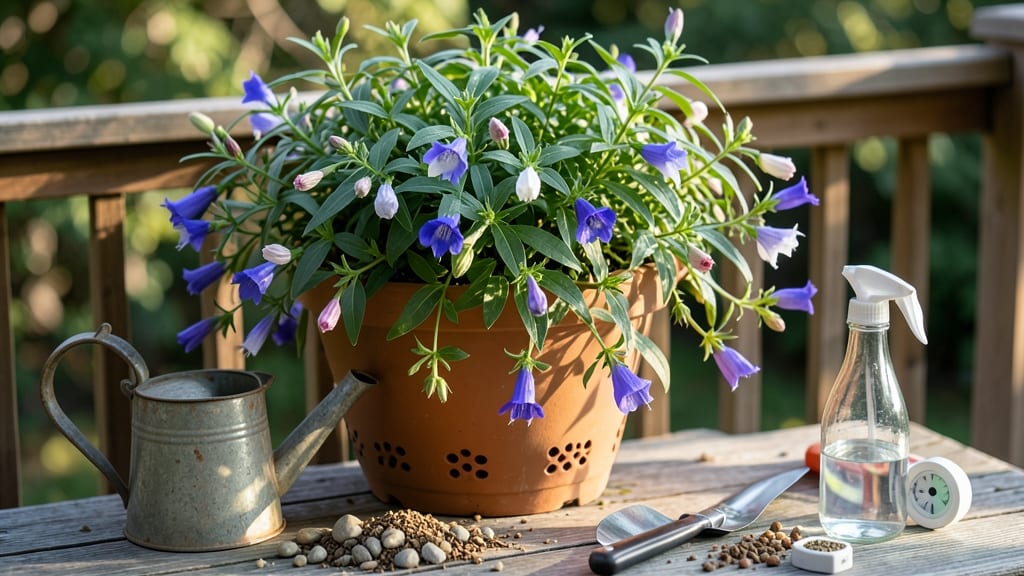
How to care for lobelia in pots is the easiest way to add year-round color to balconies and patios. 🌿 I’ve grown lobelia in everything from ceramic hangers to plastic buckets, and the secret to keeping it lush (without fuss) is all about the right pot, soil, and watering rhythm.
Lobelia thrives in moist, well-draining soil and bright, indirect light—think morning sun or dappled shade. A pot with drainage holes is non-negotiable, and I swear by 6-inch hanging baskets or window-box-style containers to show off those trailing stems.
Overwatering is the #1 killer, so stick your finger in the soil: if the top inch feels dry, it’s time to water.
Feed it balanced liquid fertilizer every 2-3 weeks during spring and summer, and trim leggy stems in early spring to encourage bushier growth. With the right setup, your lobelia will spill over pots in vibrant blue or purple all season—no deadheading or heavy pruning required.
In colder months, bring pots indoors near a bright window or reduce watering slightly. If you live in Zone 10+, lobelia can often survive mild winters outdoors with a little mulch protection. The key is consistency: lobelia’s trailing habit makes it a low-maintenance superstar for small spaces.
📚 In This Guide
- What you need
- Instructions
- Tips and common mistakes
- Wrapping up and next steps
What you need
- ● Container: 1–3 hanging baskets (6–12 inches in diameter) or window boxes (with drainage holes).
- ● Terracotta or plastic pots (minimum 6 inches deep) for non-trailing varieties.
- ● Growing Medium: 1 bag well-draining potting mix (look for a blend labeled for annuals or hanging plants).
- ○ Optional: Perlite or vermiculite (1 part per 4 parts soil) to improve aeration.
- ● Lobelia Plants: 3–5 healthy lobelia plants (purchased from a nursery or propagated from cuttings/seeds).
- ● Seeds (if starting from scratch; sow indoors 8–10 weeks before last frost).
- ● Tools: 1 pair gardening gloves (to protect your hands from soil).
- ● 1 trowel or small shovel (for transplanting).
- ● 1 spray bottle (for misting seedlings or humidity control).
- ● 1 measuring cup (for mixing soil amendments).
- ● 1 slow-release fertilizer (balanced 10-10-10 or 20-20-20 for blooms).
- ● 1 watering can with a fine rose (for gentle hydration).
- ● 1 mulch or decorative stones (to retain moisture and add aesthetics).
- ● 1 plant support or trellis (if growing upright varieties like Lobelia erinus).
- ● 1 pH testing kit (ideal soil pH: 5.5–6.5 for lobelia).
Step-by-step instructions for lobelia in pots
Lobelia thrives with simple care—here’s how to keep those cascading blooms lush all season.
🪴 Step 1: Choose the Right Container and Drainage
Lobelia needs a container with drainage holes to prevent root rot—waterlogged roots are its kryptonite. I use 8-10 inch pots for single plants or hanging baskets for trailing displays. The wider the container’s surface area, the better, since lobelia has shallow roots that spread quickly. If your pot lacks drainage, drill holes yourself—just don’t go bigger than ¼ inch to avoid soil loss.
Line the bottom with 1-2 inches of gravel or perlite to create an air gap. This ensures excess water drains away while keeping roots slightly elevated. Trust me, skipping this step leads to soggy soil and yellowing leaves within weeks.
☀️ Step 2: Provide Bright, Indirect Light and Consistent Moisture
Lobelia craves morning sun and afternoon shade—think 4-6 hours of direct light daily. A south-facing window works, but avoid harsh afternoon rays that scorch delicate foliage. If growing indoors, place it within 3 feet of a bright window or supplement with a grow light for 12-14 hours daily. You’ll know it’s happy when stems stay compact and leaves remain deep green, not pale or stretched.
Water when the top inch of soil feels dry—lobelia hates drought but despises soggy roots. I use a spray bottle for the first few weeks to mimic humidity, then switch to bottom-watering by placing the pot in a tray of water for 10-15 minutes. This keeps roots moist without overwatering, which is key for preventing fungal issues.
💧 Step 3: Feed Lightly and Prune for Bushier Growth
Start fertilizing 2 weeks after planting with a balanced, water-soluble fertilizer (10-10-10) diluted to half strength. Feed every 2-3 weeks during spring and summer—overdoing it leads to salty soil and leaf burn. I swear by a liquid feed because it’s absorbed faster than granules, which can scorch tender roots. Stop fertilizing in fall to encourage blooming next season.
Pinch back leggy stems when they reach 3-4 inches tall to encourage bushier growth. Use clean scissors to snip just above a leaf node—this redirects energy to side shoots. Deadhead spent blooms regularly to prolong flowering. If your lobelia looks sparse, it’s time to trim and feed again; you’ll see new growth within 2-3 weeks.
✂️ Step 4: Overwinter and Propagate for Next Season
When temperatures drop below 40°F, move lobelia indoors to a cool, bright spot (like a garage with a window). Reduce watering to once every 2 weeks and stop fertilizing entirely. If leaves yellow, it’s normal—lobelia goes semi-dormant in winter. Prune back ⅓ of the plant in early spring to refresh growth before repotting into fresh soil.
To propagate, snip 4-inch stem cuttings in spring, strip the lower leaves, and dip in rooting hormone. Plant in moist potting mix and cover with a plastic bag to retain humidity. Roots form in 3-4 weeks—you’ll spot new growth at the base as your signal. This is how I keep my lobelia collection going year after year with minimal cost.
Tips & tricks for perfect lobelia in pots
Took me years to figure out these lobelia secrets—here’s how to avoid the most common pitfalls and keep your trailing beauty thriving.
Drainage is Non-Negotiable: If your pot lacks drainage holes, drill them yourself—just keep them between ¼ inch and ½ inch in diameter. Too big and soil escapes; too small and water pools. I’ve seen lobelia roots rot in containers with "adequate" drainage that still held too much moisture. For extra insurance, add a layer of ½ inch coarse sand above the gravel—it creates an even better air gap for those shallow roots.
Light is Everything: That 4-6 hours of morning sun is critical, but don’t assume all south-facing windows are equal. Test your spot by placing a white piece of paper in direct sunlight for an hour—if it gets too hot to touch, your lobelia will scorch. For indoor growers, I recommend a LED grow light on a timer for those 12-14 hours daily. The key is consistent light without heat stress—think "bright but gentle," not "intense."
Watering Wisdom: The 10-15 minute bottom-watering trick works wonders, but timing matters. Only do this when the top inch of soil feels dry to the touch—lobelia roots need oxygen, not a swamp. I’ve ruined plants by overwatering in cool weather when evaporation slows. Pro move: Use a moisture meter if you’re unsure—it’s the only foolproof way to avoid both drought and soggy roots.
Pruning Pays Off: When you pinch back those 3-4 inch stems, don’t just snip randomly. Look for the first set of leaves below the tip—cut just above that node. This is where new side shoots will emerge, creating bushier growth. I’ve seen gardeners trim too high and end up with bare stems. And always use clean scissors to prevent disease transmission between plants.
Pro Tips for Care For Lobelia In Pots
- Took me years to figure out these lobelia secrets—here’s how to avoid the most common pitfalls and keep your trailing beauty thriving.
- Drainage is Non-Negotiable: If your pot lacks drainage holes, drill them yourself—just keep them between ¼ inch and ½ inch in diameter.
- Light is Everything: That 4-6 hours of morning sun is critical, but don’t assume all south-facing windows are equal.
Frequently asked questions
Got questions about keeping your lobelia happy in pots? You’re not alone! Here are some of the most common concerns—and straightforward answers—to help you grow lush, trailing lobelia with confidence.
How often should I water lobelia in pots?
Lobelia loves moisture but hates soggy roots. Water when the top inch of soil feels dry, usually every 2–3 days in hot weather or daily in extreme heat. Ensure pots have drainage holes to prevent root rot. A self-watering container or mulch layer can help maintain steady moisture.
Can lobelia survive winter in pots?
Most lobelia is annual and won’t survive frost, but some perennial varieties (like Lobelia siphilitica) tolerate light freezes. For potted lobelia, move containers indoors before temperatures drop below 40°F (4°C). Place them in bright, cool spots (like a sunroom) and reduce watering. If it’s a tender variety, treat it as a seasonal plant and replant next year.
Why are my lobelia leaves turning yellow or brown?
Yellowing leaves often signal overwatering or poor drainage, while brown edges can mean underwatering or sunburn. Check soil moisture and adjust watering habits. If leaves look crispy, move the pot to partial shade (lobelia prefers 4–6 hours of morning sun). Yellowing at the base may indicate root rot—repot in fresh, well-draining soil if needed.
What can I plant with lobelia in pots for a fuller look?
Lobelia’s trailing habit pairs beautifully with upright companions like coleus, ferns, or impatiens for height contrast. For a hanging basket, mix it with sweet potato vine or calibrachoa. Avoid bulky plants—stick to delicate, moisture-loving friends to keep the lobelia’s needs met without competition.
How do I revive leggy or sparse lobelia?
Leggy lobelia usually means it’s not getting enough light. Move the pot to a brighter spot (but avoid harsh afternoon sun). Pinch back overgrown stems to encourage bushier growth. For sparse blooms, fertilize lightly with a balanced liquid fertilizer (10-10-10) every 4–6 weeks during the growing season.
Still stumped? Drop your lobelia woes in the comments—we’re happy to help troubleshoot!
Wrapping up and next steps
Caring for lobelia in pots is simpler than you think—just a little love, consistency, and the right conditions will reward you with cascading blooms all season long! 🌸 With the right soil, sunlight, and watering routine, you’ll keep your trailing beauty thriving in no time.
Now that you’re armed with these tips, why not expand your container garden? Try pairing lobelia with complementary plants like begonias or petunias for a showstopping display! Happy gardening!