
Pruning
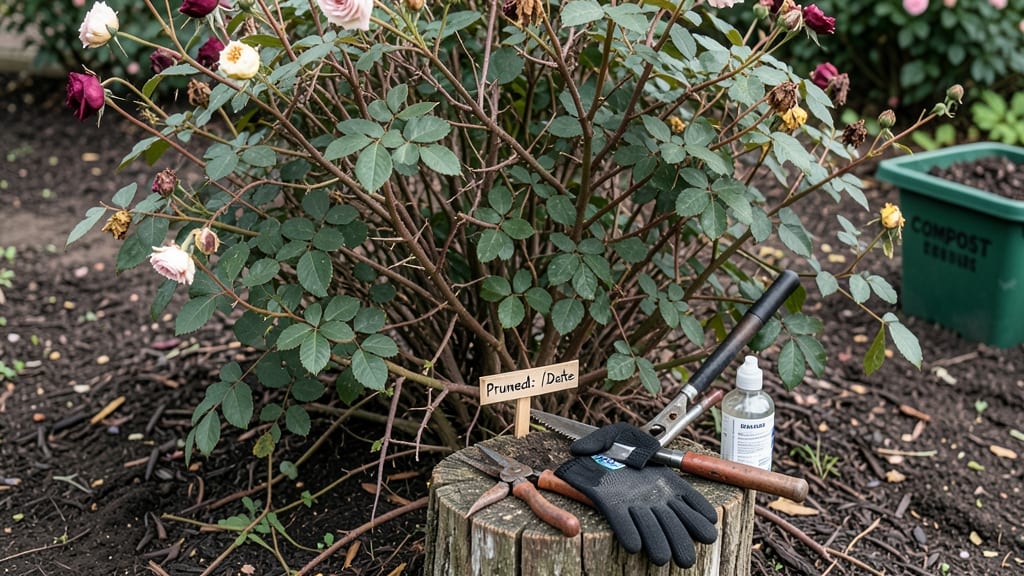
Your overgrown rose bushes looked like tangled vines instead of blooming showstoppers—until I learned this foolproof way to cut them back. ✂️ The key isn’t just hacking away; it’s understanding which stems to keep, which to remove, and how to encourage fresh growth that actually flowers.
Most people over-prune or cut at the wrong angle, but roses bloom on new wood, so the goal is to shape the bush while leaving strong canes. Hybrid teas need aggressive pruning, while shrub roses just need light shaping—knowing the difference saves hours of frustration.
By spring, you’ll see bold red shoots pushing through, with blooms arriving in 4-6 weeks. The plants stay compact, disease-resistant, and produce more flowers than before. Works for all rose types—just adjust the cuts. Let’s get those bushes back in shape!
📚 In This Guide
- What you need
- Instructions
- Tips and common mistakes
- Wrapping up and next steps
What you need
- ● Bypass pruners – Sharp, high-quality bypass pruners (not anvil pruners) to make clean cuts without crushing stems. Choose ergonomic handles for comfort during long sessions.
- ● Loppers – Heavy-duty bypass loppers (18–24 inches) for thicker branches (½ inch or larger). Look for ratcheting or bypass designs for precision.
- ● Pruning saw – A curved-tooth pruning saw for branches thicker than ¾ inch. Opt for a lightweight, foldable design for ease of use.
- ● Garden gloves – Heavy-duty, cut-resistant gloves (e.g., with Kevlar or steel mesh) to protect against thorns and scrapes.
- ● Disinfectant – Rubbing alcohol (70% or higher) or a garden disinfectant to sterilize tools between cuts and prevent disease spread.
- ● Rake or broom – For clearing debris after pruning. A stiff-bristle rake works best for thick clippings.
- ● Garden twine or burlap sacks – To bundle and dispose of large pruned branches neatly.
- ● Hand pruners – For smaller, detailed trims (e.g., shaping canes or deadheading).
- ● Pole pruners – If your rose bush is tall or hard to reach (extendable 3–6 feet).
- ● Pruning sealant – Not always necessary, but a wound dressing (like Tanglefoot Tree Wound Pruning Sealer) can help large cuts heal faster in some climates.
- ● Knee pads or a stool – For comfort if you’re working on ground-level bushes or for long periods.
- ● Safety glasses – To shield your eyes from flying debris or sap.
Step-by-step instructions for pruning overgrown rose bushes
Revitalize your roses with this precise pruning method—clean cuts and strategic shaping lead to stronger stems and more abundant blooms.
✂️ Step 1: Gather the Right Tools and Prepare the Workspace
Start with sharp, clean pruning shears—dull blades tear stems and invite disease. I always disinfect my tools with rubbing alcohol between cuts to prevent spreading bacteria or fungi. Lay out a drop cloth beneath the bush to collect debris, making cleanup effortless later. Wear gloves to protect against thorns and sap irritation.
Choose a bright, dry day for pruning—roses handle stress better when conditions are ideal. Avoid pruning after rain or in extreme heat, as wet or stressed plants are more vulnerable to infection. I like to work in the late morning when temperatures are moderate, giving the bush time to recover before evening.
✂️ Step 2: Remove Dead, Diseased, or Weak Growth First
Scan the bush for blackened, mushy, or hollow stems—these are dead and must go. Cut these back to healthy green wood (about ½ inch above a outward-facing bud at a 45-degree angle). Diseased canes should be bagged and discarded, not composted, to prevent reinfection.
Next, identify thin, spindly stems that never bloomed well. These steal energy from stronger canes. Snip them at the base, leaving only the thickest, sturdiest stems (aim for 3-5 main branches per bush). Real talk: Overcrowding is the #1 cause of poor blooms, so don’t hesitate to remove up to ⅓ of the plant’s total stems if needed.
✂️ Step 3: Shape the Bush for Airflow and Light
Step back and visualize the bush’s natural form. Open the center by cutting back any inward-growing canes that block airflow—this prevents fungal diseases like black spot. Aim for an open, vase-like shape with branches spaced 6-12 inches apart. I like to work from the outside in, removing limbs that cross or rub against others.
For hybrid teas and floribundas, cut back last year’s blooms to just above a strong outward-facing bud (about ¼ inch above). This encourages new growth from the base, where blooms are most abundant. For climbers and shrub roses, prune to reduce height by ⅓ while maintaining the plant’s natural spread.
✂️ Step 4: Refine with Precision Cuts for Stronger Growth
Make all cuts at a 45-degree angle, ¼ inch above a bud that faces outward or slightly upward. This ensures new growth emerges away from the center. Avoid leaving stubs—never cut flush with a bud, or you risk dieback. For thick canes, use loppers for clean cuts without crushing the stem.
Look for water sprouts (slim, vertical shoots) and suckers (shoots from the base). These are energy vampires—remove them completely at the base. After pruning, spray the cuts with fungicide (like neem oil) to seal wounds and deter infection. I also apply a balanced rose fertilizer to support new growth.
🌿 Step 5: Clean Up and Monitor Recovery
Rake up all debris and compost it separately (unless diseased). Disinfect tools again and store them in a dry place. Water the base deeply to help the bush recover, but avoid wetting the foliage. You’ll see new shoots within 2-3 weeks—this is your reward for the hard work.
Watch for new buds swelling along the stems. These will develop into stronger, more vibrant blooms than before. Mulch around the base with 2-3 inches of organic mulch to retain moisture and suppress weeds. Prune again in early summer to shape and encourage a second flush of flowers.
Tips & tricks for pruning overgrown rose bushes
Here's what nobody tells you—these tricks will transform your tangled roses into thriving, bloom-filled shrubs without the common pitfalls.
Tool Selection: Invest in a pair of quality bypass pruners—they make clean cuts that heal faster than the jagged edges from dull blades. I keep a small pair for delicate stems and a larger set for thicker canes. Remember, sharp tools prevent tearing that invites disease. For stubborn branches, I use a pruning saw with a fine-tooth blade to avoid splintering the wood.
The 45-Degree Cut: That angled cut isn't just decorative—it's essential. When you cut at a 45-degree angle just above an outward-facing bud, you create a natural water runoff that prevents rot. I visualize cutting like a slice of pizza—this angle directs water away from the bud while still leaving enough stem to protect the bud from drying out.
Bud Identification: Learn to spot healthy buds—they're the key to future blooms. Look for plump, green buds with smooth surfaces rather than shriveled or brown ones. For hybrid teas, focus on the first 5-leaflet bud below bloom clusters. I always count buds when shaping canes to ensure I'm leaving enough growth potential for next season's flowers.
Seasonal Timing: The best time to prune is after the first spring flush or right after the final summer blooms. This ensures you're not removing next season's flower buds. I mark my calendar with these dates each year—pruning at the wrong time can leave your roses barren for months. For climbers, a light prune in late winter helps shape growth before the main pruning season.
Pro Tips for Cut Back Overgrown Rose Bushes
- Here's what nobody tells you—these tricks will transform your tangled roses into thriving, bloom-filled shrubs withou...
- Tool Selection: Invest in a pair of quality bypass pruners—they make clean cuts that heal faster than the jagged edge...
- The 45-Degree Cut: That angled cut isn't just decorative—it's essential. When you cut at a 45-degree angle just above...
Frequently asked questions
Got questions about tackling those towering rose bushes? You’re not alone—pruning can feel overwhelming at first! Below are answers to the most common concerns, from timing to tools and everything in between. Let’s get those roses thriving again!
When is the best time to cut back overgrown rose bushes?
The ideal time depends on your rose type. For spring-blooming roses (like hybrid teas), prune in late winter or early spring before new growth starts. Repeat-blooming roses can be pruned in late winter AND after the first flush of blooms (summer). Avoid pruning in fall—it encourages tender new growth that won’t survive winter.
What if I cut too much off my rose bush?
Don’t panic! While roses are resilient, never remove more than 1/3 of the bush in one pruning session. If you’ve over-pruned, focus on healthy canes (thick, green stems) and avoid cutting back to bare wood. Your rose may take a year to recover, but it’ll bounce back with proper care—water deeply and fertilize lightly.
Can I prune roses in the fall?
Fall pruning is risky for most roses because it stimulates new growth that can’t harden off before winter. However, if you must prune (e.g., for safety or disease removal), do it 6 weeks before the first frost and avoid heavy cuts. Climbing roses are an exception—lightly shape them in fall to prevent wind damage.
Do I need special tools to prune roses?
Basic tools suffice: bypass pruners for small stems, loppers for thicker canes, and a pruning saw for stubborn wood. Dull tools crush stems, so sharpen them regularly. Disinfect blades with rubbing alcohol between cuts to prevent disease spread. A glove and safety glasses are also wise!
Will pruning my roses hurt their blooms?
Not if done correctly! Pruning encourages more blooms by improving airflow and redirecting energy to new growth. Just avoid cutting flower buds (they look like fat, swollen nodes) or green canes (last year’s growth). Focus on outward-facing buds for bushier, fuller blooms. Patience pays off—your roses will reward you!
Pro Tip Table: Quick Pruning Fixes
| Problem | Solution |
|---|---|
| Dead or diseased canes | Cut back to healthy wood (green, not brown/black) and sterilize tools. |
| Too many weak, thin canes | Remove 1-2 canes per plant to reduce crowding and improve airflow. |
| Uneven growth | Shape the bush by cutting just above an outward-facing bud at a 45° angle. |
| No blooms after pruning | Fertilize with rose-specific food and ensure full sun (6+ hours/day). |
Wrapping up and next steps
Cutting back overgrown rose bushes doesn’t have to be intimidating—it’s all about timing, technique, and a little patience. 🌹 With the right tools and a clear plan, you’ll soon have a thriving, blooming beauty that rewards your effort. Now’s the perfect time to roll up your sleeves and give your roses the care they deserve!
Your Next Step:
- 📅 Mark your calendar for the ideal pruning season (early spring or late winter) and gather your supplies.
- 🌱 Observe your roses as they recover—you’ll be amazed at their renewed vigor!
- 💬 Share your progress with fellow gardeners for tips and encouragement.