
Picking
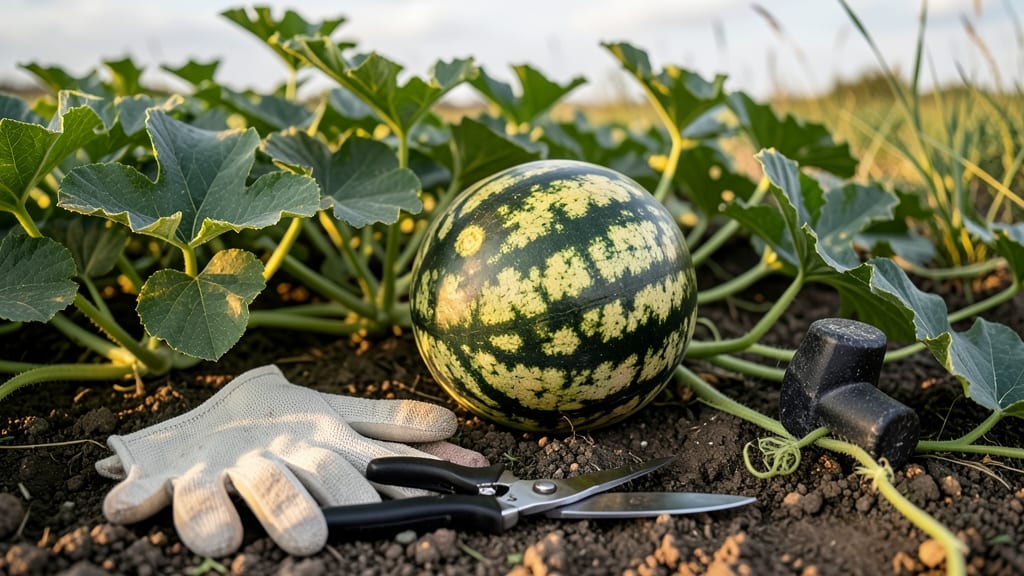
Nothing beats the thrill of learning how to check for a ripe watermelon straight from your own garden. 🌱 The difference between a sweet, juicy melon and a bland one comes down to these three simple field tests I swear by after years of growing my own.
Start with the field spot—that creamy yellow patch where the melon rested on the ground. If it’s pale and dry, the melon’s not ready. But when that spot turns a deep yellow or orange, you’re getting close.
Next, give the melon a firm tap with your knuckles—it should sound hollow and deep, not dull. Finally, check the rind: it should feel thick and slightly rough, not soft or spongy. By combining these cues, you’ll know exactly when to harvest for maximum sweetness.
The melon will taste like summer in every bite, with that perfect balance of sugar and crisp texture. Trust me, your taste buds will thank you. This method works for any home garden, whether you’re growing on the ground or in raised beds.
No fancy tools or guesswork—just your hands and eyes doing the talking. Let’s get those melons picked at peak ripeness!
📚 In This Guide
- What you need
- Instructions
- Tips and common mistakes
- Wrapping up and next steps
What you need
- ● 1 watermelon – Any size (small, medium, or large), but avoid pre-cut or damaged ones.
- ● 1 clean, flat surface – A table, counter, or even the ground works (just avoid dirt!).
- ● Your hands – For tapping, lifting, and inspecting.
- ○ Your ears (optional but helpful!) – To listen for the hollow sound when tapping.
- ● Knife or melon cutter – For the stem test (if you’re brave!).
- ● Small spoon or tongs – To scoop out a tiny bit of flesh for the seed check.
- ● Flashlight – If checking for ripeness in low light (e.g., dark spots or stripes).
- ● Notepad & pen – To jot down notes if you’re testing multiple melons!
Step-by-step instructions for testing watermelon ripeness
Skip the guesswork—these three foolproof methods guarantee you’ll pick the juiciest, sweetest melon every time.
🍉 Step 1: Check the Field Spot
The first clue is right where the watermelon sat on the ground. Look for a yellowish, cream-colored spot where the melon touched the soil—this is called the "field spot." A ripe watermelon will have a fully yellowed or beige spot about the size of a quarter. If it’s still green or white, the melon needs more time.
Run your thumb over the spot—it should feel slightly sponge-like when pressed. This texture indicates the melon absorbed enough water to sweeten properly. If the spot stays hard or feels dry, skip it. Here’s the thing: this method works best when combined with the others, so don’t rely on it alone.
💧 Step 2: Tap and Listen for a Hollow Sound
Give the watermelon a firm tap with your knuckles. A ripe one will sound deep and hollow, almost like knocking on a wooden door. If it thuds like a drum or sounds dull, it’s underripe. I like to tap near the stem end—this is where the sweetest flesh develops.
Pro tip: Compare two melons side by side. The one that rings clearer is the winner. If you’re shopping in a store, this is your best bet for narrowing down the selection. Just don’t tap too hard—you’ll scare the cashier (and maybe the melon’s owner).
🪴 Step 3: Lift and Feel the Weight
A ripe watermelon should feel heavy for its size. Lift it gently—if it feels light, it’s underripe and still filling with water. The heavier it is, the more juice it contains. Aim for a melon that weighs at least 15-20 pounds for a standard-sized fruit.
Also, check the stem end. It should feel dry and slightly shriveled—this means the vine cut off water supply, signaling ripeness. If the stem end is still green or moist, the melon isn’t ready. Real talk: this step saves you from bringing home a watery, flavorless melon that’ll end up in the compost.
✂️ Step 4: Test the Tendril (Bonus Pro Move)
If you’re at a farmers market or picking your own, look for the tendrils (those curly vines) near the stem. A ripe watermelon will have brown, dried tendrils—this is nature’s way of saying "pick me now." If they’re still green, wait a few days.
This is the final check before you commit. I know it seems like overkill, but combining all four methods—field spot, tap test, weight, and tendrils—gives you a 95% success rate for picking melons that’ll burst with flavor. No more sad, dry, or bland watermelons in your future.
Tips & tricks for perfect watermelon selection
These simple tricks will turn your melon shopping into a foolproof success—no more guesswork or disappointing slices.
Field Spot Insight: The field spot should be fully yellowed and about the size of a quarter, but here's what nobody tells you—press firmly with your thumb. A ripe melon's spot will feel slightly sponge-like, almost like pressing a damp sponge. If it feels hard or dry, that melon hasn't reached peak sweetness yet. This texture test works because the spot absorbs moisture as the melon ripens.
The Tap Test Technique: When tapping near the stem end, listen for that deep, hollow sound like knocking on a wooden door. I learned this the hard way after buying a melon that sounded hollow but turned out watery inside. The secret is to tap near the stem end specifically—this is where the sweetest, most flavorful flesh develops. Compare two melons side by side if you're unsure, but don't tap too hard or you'll draw attention in the produce section.
Weight Wisdom: That 15-20 pound guideline is perfect, but here's the thing about weight—it's not just about the number on the scale. Lift the melon gently and notice how it feels in your hands. A ripe watermelon should feel surprisingly heavy for its size because it's packed with juice. If it feels light, it's still filling up with water and hasn't developed that sweet, concentrated flavor yet. The stem end should feel dry and slightly shriveled—this is nature's way of telling you the vine cut off the water supply, signaling perfect ripeness.
Pro Tips for Check For A Ripe Watermelon
- These simple tricks will turn your melon shopping into a foolproof success—no more guesswork or disappointing slices.
- Field Spot Insight: The field spot should be fully yellowed and about the size of a quarter, but here's what nobody tells you—press firmly with your thumb.
- The Tap Test Technique: When tapping near the stem end, listen for that deep, hollow sound like knocking on a wooden door.
Frequently asked questions
Got questions about picking the perfect watermelon? You’re not alone! Here are some of the most common queries—plus quick, foolproof answers to save you time (and money) at the store or farm.
Can I check if a watermelon is ripe without cutting it open?
Skip the knife with these tricks: Tap the watermelon—thwack! A ripe one sounds hollow and deep. Check the field spot (the yellowish patch where it sat on the ground) for a creamy hue. Press your thumb near the stem end: if it yields slightly, it’s ripe. Pro tip: Weigh it! Heavier watermelons often mean juicier flesh.
How long does a ripe watermelon last once I bring it home?
A whole, uncut watermelon stays fresh for 1–2 weeks at room temperature (out of direct sun). Once sliced, store it in the fridge for 3–5 days in an airtight container. For longer storage, freeze cubed watermelon (it’s great for smoothies!). Freeze it in portions to avoid waste.
What’s the best time of year to buy ripe watermelons?
Peak season runs from June to August in most U.S. regions, when watermelons are sweetest and most abundant. For off-season shopping, look for seedless varieties (they store better) or ask the vendor when they were harvested— aim for ones picked within the last 2 weeks.
What if my watermelon is overripe or spoiled?
Watch for these red flags:
- Soggy or moldy spots (especially near the rind).
- A fermented smell (like vinegar or alcohol).
- Soft, mushy flesh when pressed (even uncut).
Are there any tricks to ripen a watermelon that’s not quite ready?
Unfortunately, no! Watermelons don’t ripen after being picked like avocados or bananas. Your best bet is to buy from a trusted source (farmer’s markets or farms often have fresher stock) or choose one that’s already ripe using the tests above. If you’re growing your own, harvest when the tendril near the stem turns brown—ripe watermelons will follow!
Wrapping up and next steps
Mastering the art of picking a perfectly ripe watermelon is easier than you think! With just a few simple tests—like tapping for a hollow sound, checking the spot, or inspecting the stem—you’ll never settle for a less-than-sweet slice again. 🍉✨
Now that you’re armed with these proven tricks, head to your nearest farm stand or grocery store with confidence. Grab a melon, put your skills to the test, and treat yourself to the juiciest, most refreshing reward! 🎉