
Neem Oil
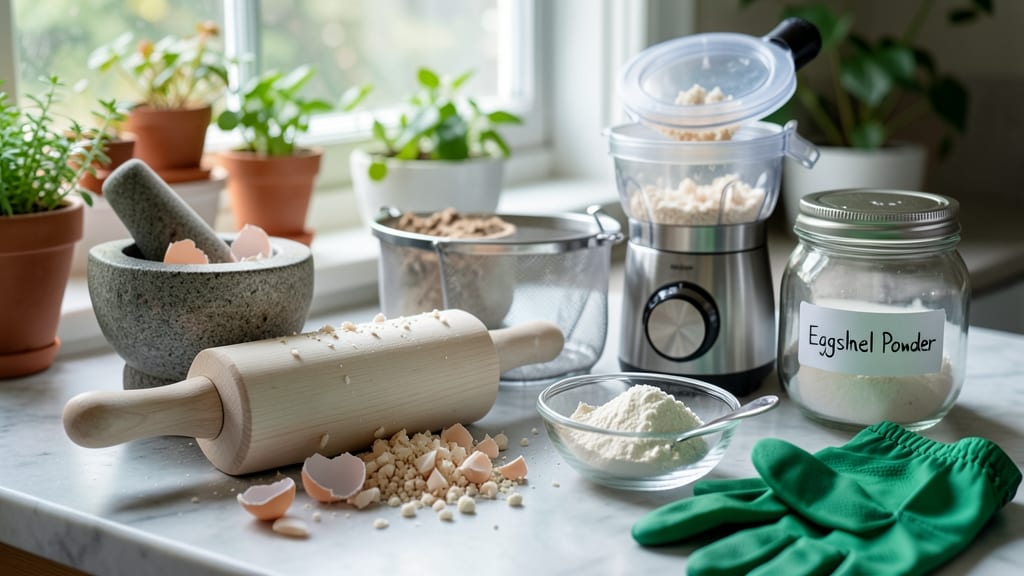
How to crush eggshells into powder reveals a gardening superpower. 🌱 That calcium-packed powder strengthens plant cell walls, deters slugs, and feeds soil microbes—all from what would otherwise be trash. I’ve used this trick for five seasons, and my potted plants never looked more resilient.
The process takes less than 20 minutes and requires just three things: clean eggshells, a baking sheet, and a rolling pin or coffee grinder. First, bake shells at 200°F for 10 minutes to kill bacteria, then crush until you get a fine powder.
No fancy equipment needed—just patience and a little elbow grease.
Sprinkle the powder around plant bases to deter pests or mix it into potting soil for a slow-release calcium boost. Your plants will grow stronger stems and better resistance to diseases like blossom end rot. The best part? You’re turning kitchen waste into garden gold.
Works for all potted plants—herbs, veggies, or flowers—and even helps acid-loving plants like blueberries when used sparingly. Just avoid overdoing it; a little goes a long way in small containers. Ready to try it?
📚 In This Guide
- What you need
- Instructions
- Tips and common mistakes
- Wrapping up and next steps
What you need
- ● Clean, dry eggshells – Aim for about 1 cup (roughly 10–12 large eggshells). The fresher, the better, but ensure they’re completely rinsed and baked (see prep steps later).
- ● Oven or dehydrator – For baking eggshells at 200°F (93°C) for 10–15 minutes to sterilize and remove moisture.
- ● Blender, food processor, or mortar & pestle – Blender/food processor: High-speed models (like Vitamix or Ninja) work best for fine, dust-like powder.
- ● Mortar & pestle: A manual option if you prefer a hands-on, smaller-batch approach.
- ○ Fine-mesh strainer or sifter – Optional but helpful for removing any larger shell fragments if using a blender.
- ● Air-tight container (glass or ceramic) – For storing your eggshell powder (e.g., a small mason jar with a lid).
- ● Rubber gloves – To keep hands clean while handling shells or powder.
- ● Small funnel – For transferring powder into storage containers without spills.
- ● Measuring spoons – If you’re dosing the powder for plants (e.g., 1 tsp per plant every few months).
- ● Label maker or masking tape – To label your container with the date (powder lasts up to 6 months if stored dry).
Step-by-Step instructions for turning eggshells into plant food
Here's the simple, effective method I use to turn kitchen scraps into a nutrient boost.
🪴 Step 1: Collect and Clean Eggshells
Save clean eggshells from breakfast—just rinse them under warm water to remove any residual egg or food particles. Let them dry completely on a baking sheet or paper towel for 24-48 hours. I like to leave them in the sun for a few hours; the UV helps sterilize them naturally.
Remove any remaining membrane or bits of shell still attached to the inside. These can attract pests or mold if left in the soil. You'll know they're ready when they feel completely dry and brittle to the touch.
✂️ Step 2: Break Shells Into Small Pieces
Place the dried shells in a heavy-duty plastic bag. Use a rolling pin, mallet, or even a hammer to crush them into pea-sized chunks. I find this works best if I wrap the bag in a towel first—it prevents shattering and keeps the mess contained.
Smaller pieces bake and powder more evenly. If you're impatient like me, you can pop the chunks into a food processor and pulse them quickly. Just don't overdo it—you want fragments, not dust yet.
☀️ Step 3: Bake to Remove All Moisture
Preheat your oven to 200°F and spread the shell pieces on a baking sheet lined with parchment paper. Bake for 10-15 minutes until they're completely dry and white. This step is critical—any remaining moisture will cause mold when you add them to soil.
Check for dryness by touching a piece; it should feel powdery when rubbed between fingers. If you skip this, your eggshell powder might clump or develop bacteria in the pot.
💧 Step 4: Grind Into Fine Powder
Transfer the baked shells to a clean coffee grinder or spice mill. Pulse in 30-second bursts until you achieve a fine, sandy texture. You'll know it's ready when it passes through a fine-mesh sieve with no gritty bits remaining.
Store the powder in an airtight container away from moisture. I keep mine in a small glass jar in the pantry. This powdered form mixes easily into potting soil or compost—just 1 teaspoon per gallon of soil gives plants a calcium boost without overloading.
🌱 Step 5: Apply to Potted Plants
Sprinkle the eggshell powder directly onto the soil surface of potted plants, then gently work it into the top 1-2 inches of soil. Water lightly afterward to help it integrate. I like to do this every 2-3 months for container plants, especially those prone to blossom end rot.
You'll notice healthier foliage and stronger stems within weeks. The calcium helps prevent common deficiencies like yellowing leaves or weak stems. For vegetables like tomatoes and peppers, this is especially valuable.
Tips & tricks for perfect eggshell powder
A few smart moves can turn this simple zero-waste project into an even more effective plant booster.
Drying Efficiency: For faster drying in Step 1, place your cleaned eggshells on a wire rack in direct sunlight. The UV exposure not only speeds up drying but also helps kill any lingering bacteria. If you're in a humid climate, consider using a dehydrator set to 160°F for 2-3 hours instead of the 24-48 hour air-drying window—just make sure they're completely brittle before moving to the next step.
Crushing Technique: In Step 2, when using a food processor for pea-sized chunks, work in batches to avoid overfilling. I've found that processing too many shells at once creates friction heat that can prematurely bake them in the processor. Also, if you're using a hammer, wear safety glasses—those shells can shatter unpredictably!
Baking Precision: The 200°F temperature in Step 3 is perfect for gentle drying without cooking the shells. If you notice any shells browning before the 10-15 minutes are up, they're likely too close to the oven's heating element. Rotate your baking sheet halfway through for even drying. A quick test: when you press a shell between your fingers, it should crumble into powder—not just feel dry.
Storage Wisdom: After grinding in Step 4, store your eggshell powder in a container with a tight-sealing lid and add a small packet of silica gel to absorb any moisture. I've found that keeping it in the freezer extends its freshness for up to 6 months, though it'll work fine at room temperature for 3-4 months if stored properly.
Pro Tips for Crush Eggshells Into Powder
- A few smart moves can turn this simple zero-waste project into an even more effective plant booster.
- Drying Efficiency: For faster drying in Step 1, place your cleaned eggshells on a wire rack in direct sunlight. The U...
- Crushing Technique: In Step 2, when using a food processor for pea-sized chunks, work in batches to avoid overfilling...
Frequently asked questions
about turning eggshells into powder can save you time and frustration. Here are answers to the most common queries!Can I use eggshell powder right away, or does it need to dry first?
Always let the eggshells dry completely (24–48 hours) before crushing to avoid mold or bacteria. Even if they look dry, bake them at 200°F (93°C) for 10 minutes to kill any lingering moisture or germs. Fresh powder is safe, but drying ensures a longer shelf life.
How much eggshell powder should I add to my potted plants?
Start with a light sprinkle—about 1 teaspoon per gallon of soil—every 1–2 months. Too much can disrupt soil pH. Mix it into the top inch of soil or water it in for even distribution. Observe your plants; yellowing leaves may signal overuse.
Is there a faster way to crush eggshells without a blender or food processor?
Yes! Use a rolling pin or mortar and pestle for small batches. For larger quantities, place shells in a ziplock bag, seal tightly, and crush with a hammer (wear gloves!). A coffee grinder (dedicated to non-food use) also works well for fine powder.
What should I do if my eggshell powder smells bad?
A musty or sour odor usually means moisture or bacteria. Discard the batch and sterilize your tools (boil or wipe with vinegar). To prevent this, always bake shells at 200°F (93°C) for 10 minutes before crushing. Store powder in an airtight container in a cool, dark place.
Can I use eggshell powder for anything other than plants?
Beyond gardening, eggshell powder can:
- Boost calcium in homemade pet treats (check with your vet first).
- Act as a natural exfoliant in DIY face masks (mix with honey or yogurt).
- Help neutralize odors in compost bins (sprinkle lightly).
Wrapping up and next steps
Crushing eggshells into powder is a simple, eco-friendly way to give your potted plants a natural calcium boost while reducing waste! 🌱 Whether you’re a gardening pro or just starting out, this method is easy, cost-effective, and packed with benefits.
Now that you’ve mastered the technique, why not put your new skills to use? Try adding the powder to your next batch of compost or sprinkle it directly into the soil—your plants (and the planet) will thank you!
Ready to grow even greener? Explore more zero-waste gardening tips or share your success with fellow plant lovers! 🌿