
Planting
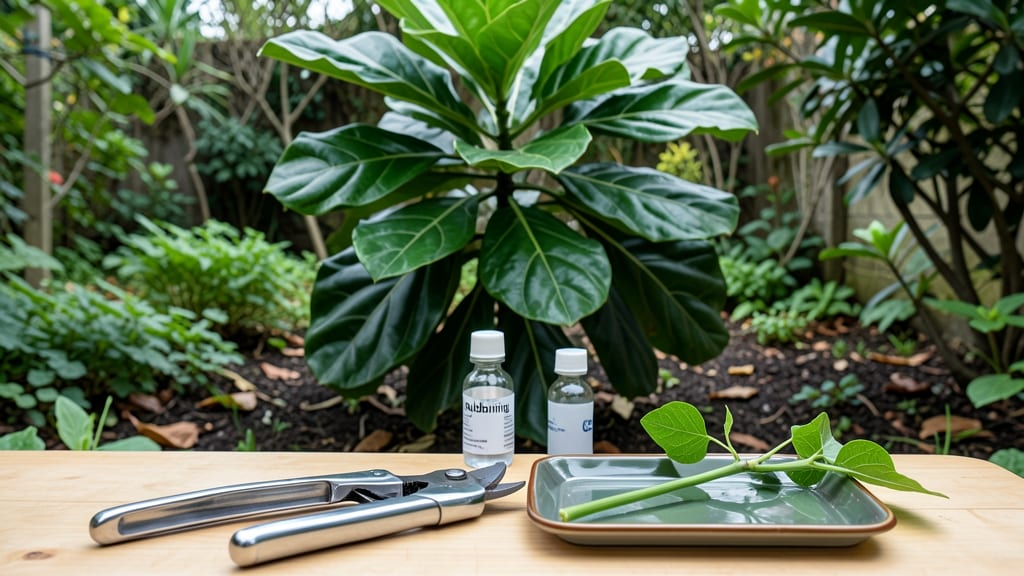
Cutting a fiddle leaf fig isn’t just pruning—it’s creating new plants from old stems. ✂️ I’ve turned leggy, overgrown figs into bushier mom plants and thriving cuttings, and you can too with the right technique. The key? Timing, sharp tools, and knowing exactly where to snip for maximum rooting success.
Most people prune too late or too aggressively, which stresses the plant. Instead, focus on healthy stems with at least 3-4 leaves and cut just above a node (that little bump where leaves grow).
Use clean, sterilized scissors or pruners to avoid disease, and always work in spring or early summer when the plant’s energy is high.
What you’ll end up with is a fuller, more compact fiddle leaf fig that blooms more leaves, plus 2-3 new plants ready to root in water or soil.
The cuttings take 4-6 weeks to develop roots, and with proper humidity and indirect light, they’ll grow into sturdy plants of their own.
This method works for any size fiddle leaf fig—whether you’re reviving a sad, sparse plant or propagating a collection. Just avoid cutting more than one-third of the plant at once, or you’ll shock the roots. Here’s how to do it without killing your favorite fig.
Understanding root causes behind trimming needs
Before you grab those pruning shears, it’s helpful to know why your fiddle leaf fig might need a haircut in the first place. These lush, tropical plants don’t just shed leaves or grow awkwardly for no reason—there’s always a scientific or environmental trigger behind their need for a trim.
Let’s break down the most common culprits and what they mean for your plant’s health.
Fiddle leaf figs (Ficus lyrata) are fast growers, and when they’re happy, they’ll stretch, branch, and fill out quickly.
But too much unchecked growth can lead to: - Competition for sunlight: Inner leaves get shaded by outer ones, turning yellow or dropping prematurely. - Reduced air circulation: Dense foliage traps humidity, creating the perfect conditions for fungal diseases like powdery mildew or root rot. - Structural weakness: Overly tall, leggy stems can snap under their own weight or from minor disturbances (like drafts or pets brushing past).
Why it happens: In the wild, fiddle leaf figs grow in the understory of forests, where sunlight filters through the canopy. When you bring them indoors, they may overcompensate by growing taller and bushier to reach light—especially if placed too far from a window. Without strategic pruning, they’ll keep sending energy into vertical growth instead of developing a sturdy, balanced shape.
Plants communicate stress through their leaves, and fiddle leaf figs are no exception.
If your plant is sending you signals like: - Yellowing leaves (especially older ones) or brown leaf tips, it could indicate: - Overwatering: Roots suffocate in soggy soil, leading to nutrient uptake issues. - Underwatering: Leaves curl and crisp, stunting growth. - Nutrient deficiencies: Pale or purplish leaves may mean a lack of nitrogen, magnesium, or iron.
Why it happens: Fiddle leaf figs are sensitive to soil chemistry. If the pH is off (too acidic or alkaline), or if nutrients like nitrogen or potassium are depleted, the plant can’t allocate energy efficiently. Pruning removes the most affected leaves or stems, allowing the plant to redirect resources to healthier growth. Think of it like giving your plant a "reset button" to focus on recovery.
Pests like spider mites, mealybugs, or scale insects don’t just weaken your plant—they hijack its energy.
Infestations often start on: - Weak or damaged stems: Cuts, tears, or overwatered roots create entry points. - Dense foliage: Pests thrive in warm, sheltered spots where they’re hidden from sprays or natural predators.
Why it happens: Fiddle leaf figs are susceptible to pests because their broad leaves provide ample hiding spots. Once pests latch on, they insert their mouthparts into the plant to feed on sap, leaving behind sticky residue (honeydew) that attracts mold. Pruning removes infested areas before the problem spreads, and you can destroy the pests in a sealed bag instead of letting them multiply.
Fiddle leaf figs slow down or even pause growth during:
- Winter months: Shorter daylight hours and cooler temperatures trigger dormancy.
- After repotting: The plant diverts energy to root establishment rather than leafy growth.
Why it happens: These plants are native to West African rainforests, where seasons aren’t as extreme as in temperate climates. However, indoor conditions (like artificial lighting or central heating) can disrupt their natural rhythms. Pruning during dormancy helps manage unruly growth and encourages a fresh flush of leaves in spring when conditions improve.
Sometimes, the reason for trimming isn’t about health—it’s about survival.
Common scenarios include: - Broken branches: Pets, kids, or accidental bumps can snap stems. - Sunburn or frost damage: Sudden exposure to harsh light or cold can scorch leaves. - Root-bound stress: Roots circling the pot restrict growth, causing stunted or leggy stems.
Why it happens: Fiddle leaf figs are resilient but not indestructible. Physical damage disrupts the plant’s vascular system (its "plumbing"), preventing water and nutrients from flowing properly. Pruning removes dead or dying tissue to prevent rot or disease from spreading to healthy parts.
Your fiddle leaf fig isn’t just "acting out"—it’s responding to its environment. By identifying the root cause (whether it’s light deprivation, pests, or seasonal changes), you can prune strategically to encourage healthier growth. The next step? Learning how to cut those stems correctly to maximize propagation success. Stay tuned!
Quick fixes for fiddle leaf fig woes
When your fiddle leaf fig (Ficus lyrata) needs a trim—or a rescue—act fast with these targeted solutions. Whether your plant is struggling with yellowing leaves, overgrowth, or pests, the right cuts and care can turn things around.
Below, we’ve matched common issues to step-by-step fixes, plus pro tips to keep your fig thriving long-term.
Cause: Too much shade, lack of pruning, or rapid growth stretching for light. Fix:
- 🔪 Trim strategically: Use sterilized pruning shears (clean with rubbing alcohol) to cut just above a leaf node (where leaves grow out). Aim for a 45-degree angle to prevent water pooling.
- 🌱 Encourage bushiness: Pinch back new growth tips to prompt side shoots. Focus on the top 1/3 of the plant to maintain its iconic silhouette.
- 🌿 Repurpose cuttings: Propagate healthy stems in water or soil (see our propagation guide for details).
Prevention:
- 💡 Rotate your plant every 4–6 weeks for even light exposure.
- 🌡️ Keep temps steady (65–75°F) to avoid weak, leggy growth.
Cause: Overwatering, underwatering, or root stress from improper cuts. Fix:
- 💧 Check the roots: Gently remove the plant from its pot. If roots are mushy or black, trim away the damaged sections with shears and repot in well-draining soil. If roots are dry and brittle, soak the pot in water for 10 minutes.
- 🌱 Prune damaged foliage: Snip off yellow leaves at the base (never tear them) to redirect energy to healthy growth. Avoid cutting into green stems—wait until the leaf is fully yellow.
- ⏰ Adjust watering: Let the top 2–3 inches of soil dry out between waterings. Use a pot with drainage holes to prevent soggy roots.
Prevention:
- 🎯 Use a moisture meter to track soil dryness.
- 🥗 Avoid fertilizing stressed plants—wait until new growth appears.
Cause: Dry air, dust, or weak plants attract pests. Fix:
- 🚿 Isolate and clean: Move the plant away from others and wipe leaves with a damp cloth dipped in neem oil or insecticidal soap (mix 1 tsp neem oil + 1 tsp mild soap per quart of water).
- 🔪 Prune infested areas: Cut off heavily affected leaves/stems below the damage to stop the spread.
- 🌿 Boost humidity: Place a pebble tray with water under the pot or mist leaves lightly (avoid soggy soil).
Prevention:
- ✨ Spray leaves weekly with water to deter mites.
- 🌡️ Keep temps consistent—pests thrive in sudden temperature drops.
Cause: You’ve got healthy stems but no idea what to do with them! Fix:
- 🍳 Choose the right cuttings: Select 4–6 inch stems with at least 2–3 leaves and a node (where roots will sprout).
- 👨🍳 Dip in rooting hormone (optional but speeds up growth) and place in:
- Water: Use a jar with room-temperature water (change weekly). Roots should appear in 2–4 weeks.
- Soil: Plant in a moist, well-draining mix (perlite + potting soil) and cover with a plastic bag to retain humidity.
- 🌱 Care for new plants: Keep in bright, indirect light and wait 4–6 weeks before transplanting soil-grown cuttings.
Prevention:
- 💡 Label cuttings with the date to track progress.
- ⏰ Avoid overwatering—new roots are sensitive!
Remember: Fiddle leaf figs are resilient! Even if your plant looks rough, healthy stems can bounce back with the right cuts and care. And who knows? Those trimmings might just become your next favorite fig baby. 🌿✨
Frequently asked questions
Can I cut my fiddle leaf fig in winter?
It's best to avoid major pruning during winter when your plant is in dormancy. Focus on light trimming to remove dead or damaged leaves instead. Spring or early summer is ideal—this is when your fig has the energy to recover and grow new shoots.
How many leaves should a cutting have for successful propagation?
For the best results, use cuttings with 3-4 mature leaves and a node (the small bump where leaves grow). This gives the cutting enough energy to develop roots while still having foliage for photosynthesis. Avoid cuttings with only 1-2 leaves—they often fail to root.
What should I do with the cut ends of my fiddle leaf fig? Seal the cut ends with a dab of cinnamon powder or tree sap to prevent sap loss and infection. This natural sealant helps the plant heal faster and reduces the risk of rot.
Is it okay to cut a fiddle leaf fig if it's flowering?
No, avoid pruning during flowering as this stresses the plant and can cause it to drop buds or flowers. Wait until after flowering is complete before doing any major trimming. Even light pruning can disrupt the plant's energy flow during this sensitive period.
How do I know if I've over-pruned my fiddle leaf fig?
Signs of over-pruning include sudden leaf drop, stunted growth, or wilted leaves within 1-2 weeks after cutting. If more than one-third of your plant's foliage was removed, it may struggle to recover. Give it time and proper care—keep it in bright, indirect light and water only when the top 2 inches of soil are dry.