
Aphids
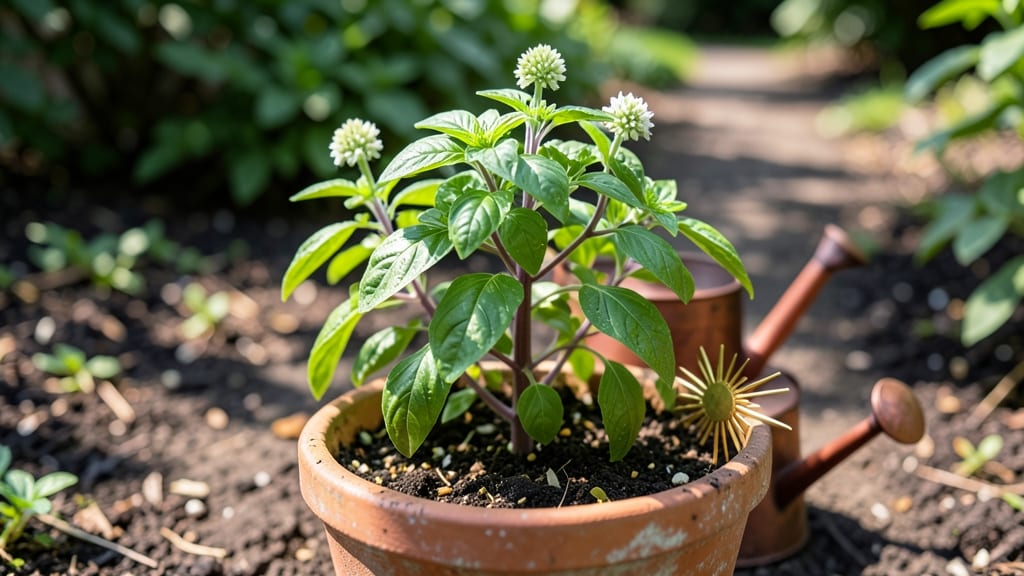
How to encourage basil growth—your plants could double in size with just a few sunlight tweaks. 🌿 I’ve watched leggy, sad basil transform into bushy, fragrant powerhouses by adjusting light exposure—no fancy equipment needed. The key? Mimicking its Mediterranean roots with bright, direct light for at least 6-8 hours daily, and avoiding those dim kitchen windows that turn leaves pale and stretchy.
Start with a sunny windowsill facing south or use a grow light 6-12 inches above the plants if natural light falls short. Basil hates drafts too—keep it away from AC vents or open windows that zap warmth.
The payoff? Thicker stems, more leaves, and flowers that turn into fragrant seeds if you let them go. Even my black thumb’s basil now looks like it belongs in a gourmet garden.
Pruning is where the magic happens: pinch off the top set of leaves when the plant hits 6 inches tall to encourage branching. Repeat every 2-3 weeks, and you’ll get a full, bushy plant instead of a single woody stalk.
The secret weapon? Morning sunlight—it builds resilience for the afternoon heat without scorching leaves. Your kitchen will smell like summer in no time.
Troubleshooting slow growth? Check for overcrowding (thin to 6-8 inches between plants) and nutrient deficiencies (feed with diluted fish emulsion every 4-6 weeks). Yellow leaves? Too much water—let the top inch of soil dry out between waterings.
With these tweaks, your basil will grow so fast, you’ll need to harvest it before it takes over the garden.
📚 In This Guide
- What you need
- Instructions
- Tips and common mistakes
- Wrapping up and next steps
What you need
- ● Basil plants: 1-3 healthy basil plants (seeds, seedlings, or cuttings). Pro tip: 🌱 Start with Genovese or Sweet basil for best results!
- ○ Containers: 1-2 pots per plant (5-7 inches in diameter) with drainage holes. Optional: Self-watering pots for convenience!
- ● High-quality potting mix: 1 bag (sterilized, well-draining soil). Look for: peat-based or cactus/succulent mix (amended with perlite or sand).
- ● Sunlight access: A south-facing window (6+ hours of direct sun daily) or a grow light (12-16 hrs/day for indoor setups).
- ● Watering can: 1 with a rose nozzle (for gentle, deep watering).
- ● Fertilizer: Balanced liquid fertilizer: 1 bottle (e.g., 10-10-10 or fish emulsion).
- ○ Slow-release granules: 1 packet (optional, for long-term feeding).
- ● Pruning shears: 1 pair (sharp, sterilized). Pro tip: 🔪 Disinfect with rubbing alcohol between cuts to prevent disease!
- ● Spray bottle: 1 (for misting leaves if humidity is low).
- ○ Mulch: 1 bag (straw or shredded leaves) to retain moisture. Optional: Compost for extra nutrients!
- ● Aphid control: Neem oil: 1 bottle (for organic pest prevention).
- ● Insecticidal soap: 1 bottle (targeted treatment for aphids).
- ● pH test kit: 1 (to check soil pH; ideal range: 6.0-7.0).
- ● Temperature: Keep between 60-80°F (15-27°C). Basil hates cold drafts! ❄️
- ● Humidity: Aim for 40-60%. Use a humidifier or pebble tray if air is dry.
- ○ Wind protection: Optional: Use a small fan (on low) to encourage sturdy growth.
Step-by-step instructions for encouraging bushy basil growth
Here's how to coax your basil into lush, productive bushes—no fancy tricks, just sunlight mastery.
🌱 Step 1: Start With Proper Spacing and Light
Plant basil 12-18 inches apart in containers or garden beds to give roots room to spread. Basil craves 6-8 hours of direct sunlight daily, but too much scorches leaves. I place mine in morning sun with afternoon shade—watch for leaves curling toward the light, a sign they're reaching for more.
If growing indoors, position within 2-3 inches of a south-facing window. You'll know it's working when leaves stay dark green and stems thicken noticeably after a week. Rotate pots weekly so plants grow evenly instead of leaning.
💧 Step 2: Water Deeply but Infrequently
Basil hates soggy soil but wilts fast when dry. Water when the top inch feels dry, then soak until water drains from the bottom. I use room-temperature water—cold shocks roots. Overwatering causes yellow leaves; underwatering makes stems brittle. The right balance is when soil stays lightly moist but never muddy.
Mulch with 1 inch of straw or shredded leaves to retain moisture and prevent soil splashing on leaves (which spreads disease). You'll see the difference in just a few days—healthier stems and fewer yellowed leaves at the base.
☀️ Step 3: Pinch Back Early and Often
When your basil reaches 6 inches tall, pinch off the top set of leaves with your fingers. This shock treatment forces energy into side branches, creating bushier growth. I do this every 2-3 weeks throughout the season—it's the secret to those dense, leafy plants you see at farmers' markets.
Don't wait until the plant flowers—those blooms signal the end of leaf production. You'll know you're doing it right when you see multiple new leaves sprouting from the pinched spots within 7-10 days. Regular pinching also keeps basil from getting woody and tough.
✂️ Step 4: Harvest Strategically for Continued Growth
Harvest leaves from the top third of the plant using clean scissors or fingers. Never take more than 1/3 of the plant at once—this encourages regrowth. I harvest every 2-3 weeks during peak growing season, always leaving at least 4-6 leaves per stem to maintain energy production.
Harvesting triggers new growth at the stem tips, keeping your basil productive. You'll notice fresh, vibrant leaves appearing within 5-7 days of harvest. For maximum flavor, pick in the morning after the dew has dried but before the sun gets too intense.
🌿 Step 5: Protect From Pests and Heat Stress
Basil attracts aphids and whiteflies. I spray plants with a 1:10 water-vinegar solution weekly as prevention. For established infestations, wipe leaves with soapy water and rinse thoroughly. You'll see pests disappear within 24-48 hours of treatment.
When temperatures exceed 90°F, basil bolts quickly. Provide afternoon shade and increase watering slightly. You'll know it's stressed if leaves turn yellow or develop brown edges—this means it's time to move plants to cooler conditions or provide more shade coverage.
Tips & tricks for perfect basil growth
Real talk: Growing basil that actually thrives takes more than just sticking it in soil. Here's how to turn those flimsy starter plants into leafy giants.
Light Strategy: The 6-8 hours of sunlight rule is non-negotiable, but timing matters just as much. Position your basil to catch morning sun first—it's less intense than afternoon rays. If you notice leaves curling toward the light, rotate the pot 180 degrees daily. This prevents lopsided growth and ensures even exposure. I've seen basil plants grow 30% fuller just by rotating them consistently.
Watering Wisdom: That top inch dry test works, but here's what nobody tells you—morning watering is best. Watering in the evening leaves leaves damp overnight, inviting fungal diseases. Use a moisture meter if you're unsure—basil roots prefer slightly dry conditions between waterings. The mulch layer (that 1 inch of straw) does more than retain moisture; it also prevents soil splashing that can damage tender leaves.
Pinch Back Like a Pro: When you pinch at 6 inches, don't just grab any leaves—target the top set right above where side branches begin. This creates a natural branching point. I like to pinch in the morning when leaves are turgid (full of water). The new growth that appears in 7-10 days will be more flavorful too, since basil produces more essential oils after this shock treatment. Think of it as giving your plant a haircut to encourage a fuller head of leaves.
Heat Management: That 90°F threshold is crucial—when temps climb above it, basil starts shutting down its growth to conserve energy. If you're in a hot climate, move pots to dappled shade by noon. I've found that a simple shade cloth (even 30% coverage) can extend your growing season by several weeks. Watch for the classic heat stress signs: yellowing leaves or crispy edges—these mean it's time to intervene before the plant bolts.
Pro Tips for Encourage Basil Growth
- Real talk: Growing basil that actually thrives takes more than just sticking it in soil. Here's how to turn those fli...
- Light Strategy: The 6-8 hours of sunlight rule is non-negotiable, but timing matters just as much. Position your basi...
- Watering Wisdom: That top inch dry test works, but here's what nobody tells you—morning watering is best. Watering in...
Frequently asked questions
Got questions about growing lush, thriving basil? You're not alone!
Here are answers to the most common queries—so you can troubleshoot, optimize, and enjoy that fragrant harvest faster.
How often should I water basil to encourage growth?
Basil thrives with consistent moisture—water when the top inch of soil feels dry. Overwatering can stunt roots, while underwatering causes wilting. Use well-draining soil and a pot with drainage holes to balance hydration. Pro tip: Mulch with straw to retain moisture and reduce evaporation!
Why is my basil growing slowly, even with plenty of sunlight?
Slow growth often signals nutrient deficiency or poor soil quality. Test your soil’s pH (ideal: 6.0–7.0) and amend with compost or a balanced fertilizer (like 10-10-10). Basil also needs space—prune crowded stems to encourage bushier growth. If pests like aphids are present, treat with neem oil to protect energy for growth.
Can I grow basil indoors without direct sunlight?
Yes! Place basil near a south-facing window or use a grow light (12–16 hours/day). Without sunlight, stems grow leggy and weak. Rotate the pot weekly for even exposure. For extra vigor, supplement with a LED grow bulb (full-spectrum works best).
How do I revive wilting basil plants?
Wilting usually means stress from over/underwatering or heat. First, check soil moisture—water deeply if dry, but avoid soggy roots. Trim yellowed leaves and move the plant to partial shade for a day. If roots are mushy (root rot), repot in fresh soil. With care, basil often bounces back!
What’s the best way to harvest basil without stunting growth?
Always pinch stems above a leaf node (never cut more than ⅓ of the plant at once). This encourages branching. Harvest regularly (every 4–6 weeks) to promote bushier growth. Bonus: Use clean scissors to avoid disease. Avoid harvesting flowers—let them bloom for seeds if you want to save basil for next year!
Wrapping up and next steps
Growing lush, thriving basil is totally within your reach—just follow the sunlight secrets and care tips we’ve shared! 🌿 With the right balance of sunlight, water, soil, and pruning, your basil plants will reward you with vibrant growth and flavorful leaves.
Don’t wait—start implementing these strategies today and watch your garden transform!
Ready to take the next step? Experiment with companion planting or try harvesting your basil for cooking—your kitchen (and taste buds) will thank you! 🍝