
Pruning
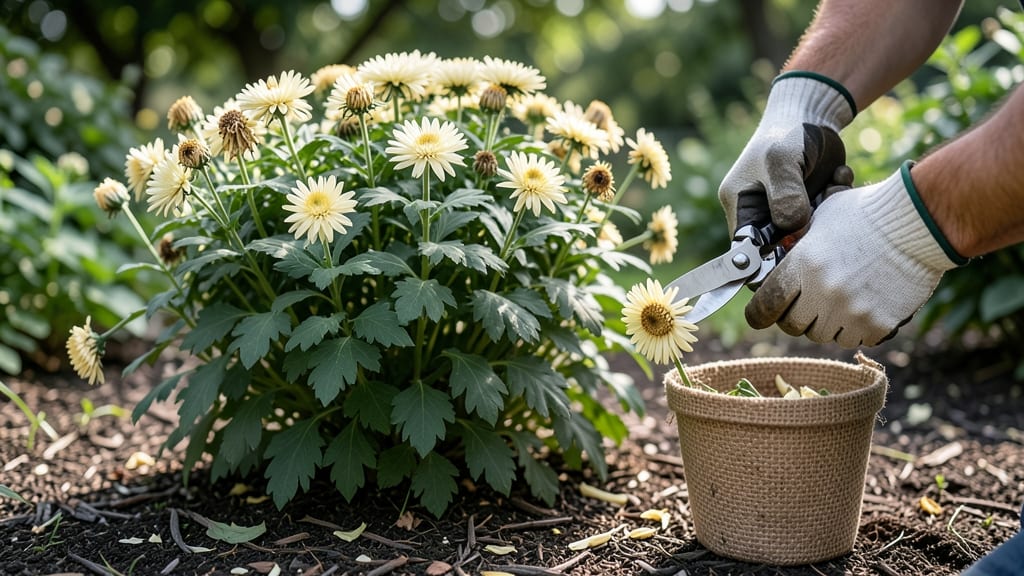
Your mums look tired by mid-July—but that’s your chance to revive them. ✂️ Cutting back chrysanthemums in summer isn’t about killing growth; it’s about redirecting energy for next year’s showstopper blooms. Too many gardeners wait until fall, missing the perfect window to shape stems and prevent floppy, bare branches.
The right timing is late June to early July, right after the first flush of blooms fades. Grab sharp pruners (clean them first!) and snip back one-third of the plant’s height, cutting just above a leaf node.
This encourages bushier growth and prevents legginess—no more sad, sprawling stems by September.
You’ll see fresh, compact growth within 2-3 weeks, and those stems will thicken up for stronger blooms next season. The key is to never cut into old wood—always leave green growth to work with. Skip this step, and you risk weak stems or late-season flopping.
Pro tip: Pair this with a light fertilizer after pruning to fuel new growth. And if you’re growing mums for cut flowers, this technique actually boosts stem length and longevity—your bouquets will last longer too. Ready to transform those floppy stems?
📚 In This Guide
- What you need
- Instructions
- Tips and common mistakes
- Wrapping up and next steps
What you need
Before you grab those shears, let’s make sure you’ve got everything you need to tackle this task like a pro! Gathering the right tools and materials will make the process smoother and safer for both you and your mums. Here’s your
Step-by-step instructions for cutting back mums in summer
Here’s how to refresh your chrysanthemums mid-season for stronger stems and next year’s showstopping blooms.
✂️ Step 1: Time Your Cutting for Maximum Impact
Wait until late summer—after your mums have finished their first flush of blooms but before mid-August. This gives the plant time to regenerate before dormancy. If you cut too early, you’ll sacrifice fall color; too late, and the plant won’t recover in time for next spring’s growth. Look for spent blooms (those with browned petals and wilted centers) as your cue.
Morning is ideal—cutting in bright sunlight stresses the plant. Use clean, sharp pruners (or scissors) to make precise cuts. Avoid tearing stems, which invites disease. If your mums are still blooming, wait until after the last flower on each stem has faded completely.
✂️ Step 2: Prune Back to the Right Height
Cut stems back to 4–6 inches above the soil line, but never below the lowest set of healthy leaves. This encourages new growth from the base while maintaining the plant’s energy reserves. If you cut too low, you risk exposing the crown to rot or freezing in colder climates. For bushier varieties, trim side branches back by one-third to promote fuller regrowth.
Remove any yellow or diseased leaves at the same time—these sap energy from the plant. Discard pruned material immediately (don’t compost if disease is present). After cutting, water the base deeply to help the plant recover. You’ll notice new shoots emerging from the center within 2–3 weeks if conditions are right.
🌿 Step 3: Boost Recovery with Proper Aftercare
After pruning, apply a balanced, slow-release fertilizer (10-10-10) to replenish nutrients lost during flowering. Focus on the root zone—never fertilize dry soil. Mums thrive in well-draining soil, so if your area gets heavy rain, consider adding a 2-inch layer of mulch (like shredded bark) to protect roots and retain moisture without suffocating the plant.
Monitor for pests like spider mites or powdery mildew, which thrive on stressed plants. If you see webbing or white powder on leaves, treat immediately with neem oil or insecticidal soap. Keep the area around your mums weed-free—competition for nutrients slows recovery. By late September, your plants should show fresh green growth, signaling they’re on track for next year.
⏰ Step 4: Prepare for Winter Dormancy
By mid-October, stop fertilizing and reduce watering to once every 10–14 days, unless your region experiences a dry spell. Mums go dormant in winter, so let the soil dry slightly between waterings. If you’re in USDA Zones 5–7, mound 3–4 inches of mulch around the base to insulate roots from freezing temperatures. In warmer zones (8–10), minimal mulch suffices.
Skip any late-season pruning—this can stimulate new growth that won’t survive frost. Instead, focus on protecting the crown. In early spring, you’ll see new shoots as a sign the plant is ready to rebound. Resist the urge to prune again until early April, when you can shape the plant for the coming season.
Tips & tricks for perfect chrysanthemum pruning in summer
These pro strategies will help you revive your mums for next season's showstopping blooms without common pitfalls.
Timing is Everything: The late summer window between finished blooms and mid-August is non-negotiable. I learned this the hard way—cutting too early sacrifices fall color, while waiting too long risks winter damage. Look for those telltale browned petals as your definitive cue. Morning pruning prevents stress from afternoon heat, and sharp tools make all the difference—dull blades tear stems, inviting disease. Remember, you're not just pruning; you're jumpstarting next year's growth cycle.
Precision Pruning Technique: When cutting back to 4-6 inches above soil level, visualize the plant's energy reserves. That lowest healthy leaf matters—cutting below it exposes the crown to rot. For bushier varieties, trim side branches by one-third to encourage fuller regrowth. I use a clean cutting motion at a 45-degree angle to prevent water pooling. After pruning, that deep watering isn't just helpful—it's essential for recovery. You'll see new shoots in 2-3 weeks if conditions are right, but only if you've given the plant the perfect foundation.
Aftercare Secrets: The 10-10-10 fertilizer ratio is your plant's lifeline after pruning. Focus on the root zone—never fertilize dry soil, or you'll burn those tender new roots. That 2-inch mulch layer isn't just decoration; it protects from heavy rain while retaining moisture. Watch for spider mites and powdery mildew—they love stressed plants. I've seen mums go from ragged to lush in just 6 weeks with proper aftercare, and it all starts with these simple but critical steps. By late September, you should see fresh green growth signaling success.
Pro Tips for Cut Back Mums In The Summer
- These pro strategies will help you revive your mums for next season's showstopping blooms without common pitfalls.
- Timing is Everything: The late summer window between finished blooms and mid-August is non-negotiable. I learned this...
- Precision Pruning Technique: When cutting back to 4-6 inches above soil level, visualize the plant's energy reserves....
Frequently asked questions
Got questions about cutting back mums in summer? You’re not alone! Here are answers to the most common concerns—plus pro tips to keep your plants thriving.
When is the exact best time to cut back mums in summer?
Wait until after they’ve finished blooming (usually late summer) and before the first frost. If you cut too early, you risk losing next year’s flower buds. Aim for late August to early September in most U.S. zones.
Do I need special tools to cut back mums?
Nope! A clean pair of hand pruners or sharp scissors works perfectly. Just sterilize them with rubbing alcohol first to avoid spreading disease. Skip dull tools—they can tear stems and invite pests.
What if my mums look sad after cutting? Should I worry?
Don’t panic! Mums often look wilted or bare right after pruning, but this is normal. Focus on watering deeply (1 inch per week) and fertilizing lightly with a balanced formula. New growth should appear in 2–3 weeks.
Can I still get flowers next year if I cut them back now?
Pruning now encourages stronger stems and more blooms next season. Just avoid heavy cuts—leave about 2–3 inches of stem above the ground. Bonus: You’ll reduce flopping and improve airflow.
What if I missed the summer window? Can I prune mums in fall?
Yes, but with caution! If you prune in early fall (before frost), follow the same steps. Avoid late fall cuts—new growth won’t harden off before winter. If your mums are already dormant, skip pruning until spring cleanup.
Pro Tip:
Mark your calendar! Set a reminder for September 1st to prune mums—it’s the perfect time to balance blooms and prep for next year’s showstopper display.
Wrapping up and next steps
Cutting back mums in summer isn’t just about tidying up—it’s an investment in next year’s showstopping blooms! By following these steps, you’ll encourage stronger stems, healthier foliage, and vibrant flowers that’ll steal the show.
Now that you’re armed with the know-how, grab those shears and get pruning—your future garden will thank you! 🌸✂️
Ready to level up your mums’ game? Next, explore seasonal care tips to keep them thriving year-round—or share your pruning wins with fellow gardeners! 🌿💬