
Lawn
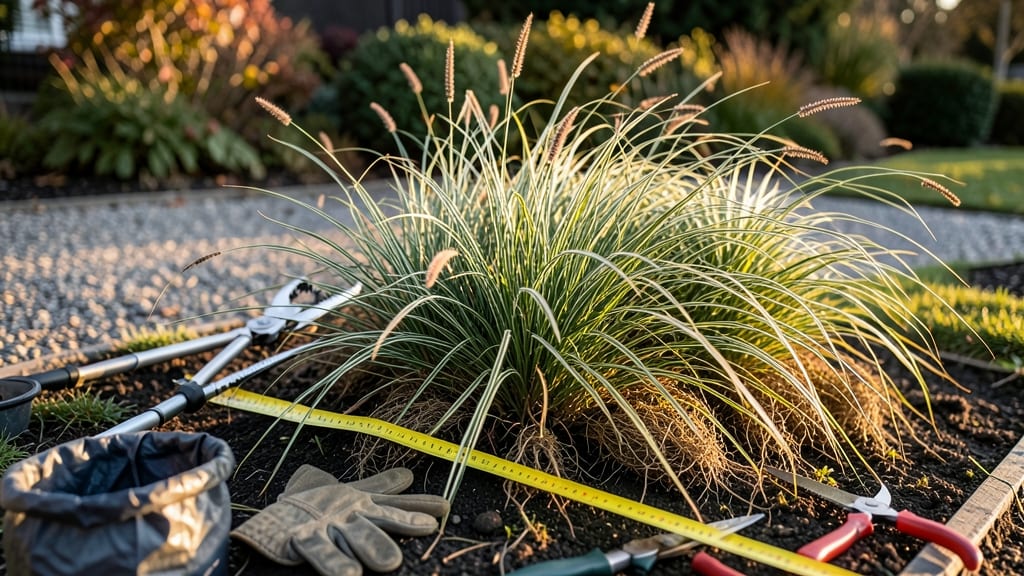
Cutting down ornamental grass isn't just about making your yard look tidy—it's about giving your plants a fresh start. ✂️ I used to hack at mine with hedge clippers, leaving jagged edges and stressed plants.
Now, I know the right way makes all the difference for healthy regrowth and clean lines.
The secret lies in timing and technique. Wait until late winter or early spring before new growth begins, and never cut into old growth—you'll shock the plant. Use sharp, heavy-duty pruners or a string trimmer for clean cuts, and avoid cutting more than one-third of the plant's height at once.
You'll end up with neat, defined edges that frame your garden beautifully while encouraging lush, vigorous new growth. The key is patience: take your time to trim carefully, and your ornamental grasses will reward you with dramatic seasonal color and texture.
Works for all varieties—whether you're shaping maiden grass, fountain grass, or feather reed grass. Here's how to do it right without damaging your plants or your sanity.
📚 In This Guide
- What you need
- Instructions
- Tips and common mistakes
- Wrapping up and next steps
What you need
- ○ Heavy-duty pruners or shears: Choose bypass pruners (4-6 inches long) for clean cuts—ideal for thicker stems. Optional: Hedge shears (8-12 inches) for broader swaths.
- ● Hand pruners or lopers: For smaller stems or tight spaces (4-8 inches, bypass or anvil style).
- ● Long-handled pruning saw: For thick, woody stalks (18-24 inches). Look for a bow or pruning saw with fine teeth.
- ● Garden gloves: Heavy-duty, cut-resistant (e.g., mechanix or coir fiber) to protect hands from sharp edges.
- ● Ladder or step stool: For reaching taller ornamental grasses (4-6 feet). Ensure it’s stable and rated for your weight.
- ● Sharpie or permanent marker: To mark cutting lines for precision (waterproof if trimming near water).
- ● Garden twine or stakes: For tying back grass temporarily (if needed for shaping).
- ● Trash bags or compost bin: To collect clippings (1-2 large bags or a wheelbarrow for bulk debris).
- ● Water and hose: For dusting off tools and rinsing hands post-trimming.
- ● Knee pads: For comfort during prolonged kneeling.
- ● Extension pole for shears: For tall grasses (12-18 feet).
- ● Disinfectant (rubbing alcohol or bleach solution): To sterilize tools between cuts (prevents disease spread).
- ● String trimmer (weed whacker): For overgrown areas—use with caution near grass bases.
- ● Safety glasses: To shield eyes from flying debris.
Step-by-step instructions for precision trimming of ornamental grass
Here's how I trim ornamental grass for sharp edges and healthy regrowth—no more ragged, overgrown clumps.
✂️ Step 1: Choose the Right Tools and Timing
Use a sharp pair of hedge shears or a string trimmer with a fine blade for clean cuts—dull tools tear grass blades and leave jagged edges. I always trim ornamental grass in late winter or early spring, just before new growth begins. This timing gives the plant time to recover before summer heat stress.
Wait until the grass is completely dormant—you'll know it's ready when the foliage turns brown and crispy to the touch. If you cut back too early, you risk damaging tender new shoots hidden beneath the dead growth. For clumping varieties like maiden grass, I wait until mid-March in my zone 6 climate.
✂️ Step 2: Cut Back to the Right Height
For most ornamental grasses, I cut back to 2-3 inches above the ground—this removes dead growth while leaving enough foliage to protect the crown during winter. Look for the thick, woody base where the grass emerges; this is your visual cue. Never cut into the crown itself, as this can damage the growing point and stunt future growth.
If your grass has thick, woody stems, I recommend using pruning shears to cut individual stems at the base rather than attempting to cut the entire clump at once. This method gives you more control and prevents accidental damage to the plant's center. For finer grasses like fountain grass, a single clean cut with hedge shears works best.
✂️ Step 3: Trim for Clean, Defined Edges
Start by cutting the outer edges first to establish your shape—this is where precision matters most. Hold the shears at a 45-degree angle for a natural, tapered look that blends with the landscape. Work in small sections, making sure each cut follows the previous one for a smooth, continuous line.
For rounded edges, I use a string trimmer with a fine blade for a more fluid, natural shape. Always trim from the top down to avoid tearing the grass blades. Step back frequently to check your progress—you'll see the clean edges take shape as you work. If you notice uneven spots, go back and make additional cuts to even everything out.
🌱 Step 4: Clean Up and Maintain for Healthy Growth
Remove all cuttings and debris immediately after trimming to prevent disease and pests from taking hold. I use a leaf blower or rake to clear the area thoroughly. For large clumps, I gather the clippings in a bag and compost them later—just make sure they're completely dry before adding to your compost pile to avoid mold.
After trimming, water the base of the grass deeply to help it recover. You'll see new growth emerge within 2-4 weeks, signaling that the plant is healthy and ready for the growing season. For best results, I fertilize ornamental grasses in early spring with a balanced, slow-release fertilizer to encourage strong, vibrant regrowth.
Tips & tricks for perfect ornamental grass trimming
Here's what nobody tells you about getting that flawless, professional-looking trim every time.
Tool Selection Matters: I've tried every tool, and this is key: hedge shears give the cleanest edges for fine grasses like fountain grass, while pruning shears work best for thick, woody stems. Never use scissors—they'll crush the blades and leave uneven cuts. For large areas, a string trimmer with a fine blade is your best friend, but always trim from top to bottom to avoid tearing. I keep a small pair of shears in my gardening bag specifically for touch-ups after the main trim.
Timing Secret: The mid-March window in zone 6 is perfect, but here's the real trick: check for complete dormancy by looking for crispy, brown foliage that snaps easily. If you see any green shoots peeking through, wait another week. I've learned this the hard way—cutting too early can damage new growth, and you'll end up with a sad, stunted plant. For tropical grasses that stay green year-round, wait until just before their natural growth spurt.
Visual Cues for Height: That 2-3 inch guideline is your target, but here's how to nail it: look for the thick, woody base where the grass emerges from the ground. This is your crown protection zone—never cut below it. For varieties with visible nodes (like bamboo grass), cut just above the highest node to encourage new growth from there. I mark my target height with a small stake in the ground as a visual reminder when I'm working with multiple clumps.
Edge-Trimming Pro Tip: That 45-degree angle isn't just for looks—it creates a natural taper that blends beautifully with the landscape. Start with the outer edges first to establish your shape, then work inward. For rounded edges, I use my string trimmer in slow, overlapping passes. Pro move: step back every few minutes to check your progress—you'll spot uneven spots you missed from up close. If you notice the edges looking ragged, go back with your shears and make clean, single cuts.
Pro Tips for Cut Down Ornamental Grass
- Here's what nobody tells you about getting that flawless, professional-looking trim every time.
- Tool Selection Matters: I've tried every tool, and this is key: hedge shears give the cleanest edges for fine grasses like fountain grass, while pruning shears work best for thick, woody stems.
- Timing Secret: The mid-March window in zone 6 is perfect, but here's the real trick: check for complete dormancy by looking for crispy, brown foliage that snaps easily.
Frequently asked questions
Got questions about trimming ornamental grass? You’re not alone! Here are some of the most common concerns—and straightforward answers—to help you tackle the job with confidence.
When is the best time of year to cut down ornamental grass?
The ideal time to trim ornamental grass is in late winter or early spring (just before new growth starts) or late summer/early fall (after it finishes blooming). Avoid cutting in extreme heat or cold, as this can stress the plant. For cold climates, wait until after the last frost for a cleaner cut.
Can I use regular lawnmower blades for ornamental grass?
No—ornamental grass has thick, fibrous blades that dull standard mower blades quickly. Use heavy-duty pruners, hedge trimmers, or a sharp pair of bolt cutters for clean cuts. If you’re trimming large clumps, a string trimmer with a sharp blade works well, but avoid tearing the foliage.
What if my ornamental grass looks ragged after cutting?
Ragged edges happen when blades are dull or cuts are uneven. Sharpen your tools first and trim in small sections for precision. For a polished look, follow up with hand shears to refine stubborn spots. If the grass is already damaged, it’ll regrow healthier with proper care.
Should I cut ornamental grass all the way to the ground?
Never cut it completely to the ground—leave 2–4 inches of growth to protect the crown (where new shoots emerge). Over-trimming can kill the plant. For varieties like Miscanthus or Pennisetum, a light shaping trim in spring and a harder cut in fall keeps it tidy without harm.
How do I clean up after trimming without making a mess?
Use a leaf blower or tarp to gather clippings before they scatter. For small areas, a grabbing tool or wet rag works great. Compost the trimmings—they’re nutrient-rich! If debris is stubborn, a shop vacuum with a hose attachment can save your back (and your sanity).
Wrapping up and next steps
Cutting down ornamental grass doesn’t have to be a daunting task—with the right tools, timing, and technique, you can achieve clean, polished edges that elevate your landscape’s curb appeal. 🌿 Whether you’re trimming for aesthetics, health, or maintenance,
Ready to tackle the job? Start small—pick a section of your yard, follow the steps, and build confidence. Before you know it, your ornamental grass will be flawless, and you’ll be the envy of the neighborhood! 🌟