
Pruning
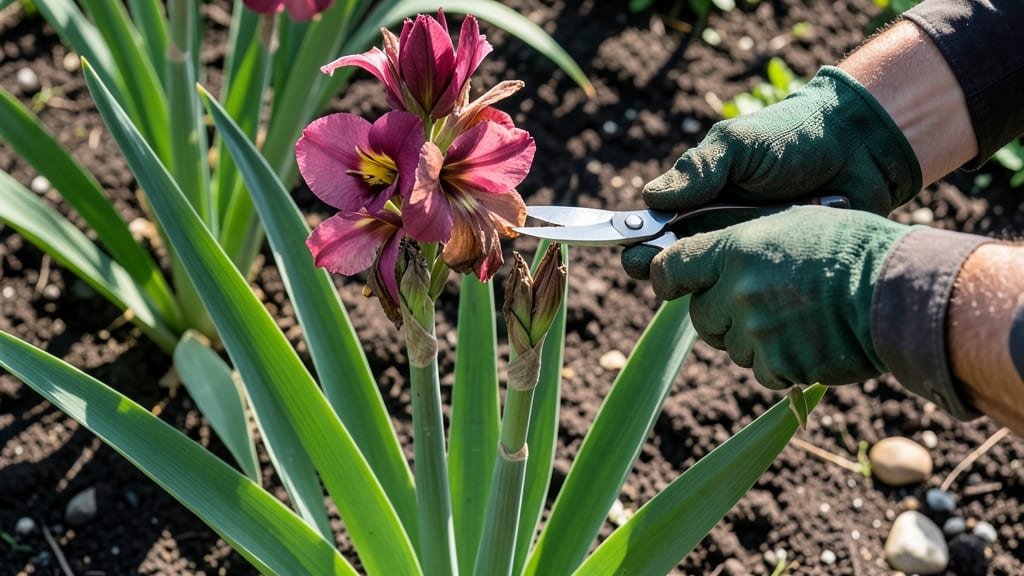
Your gladioli could bloom three weeks longer if you deadhead them right. ✂️ I used to let the spent blooms stay—until I realized how much more energy my plants put into new flowers after just a few cuts. The secret is timing and technique, not brute force.
You’ll need clean pruners (sterilized with rubbing alcohol) and a sunny afternoon. Grab a small bucket for spent blooms and work when flowers are fully open but still dry—never when rain’s coming.
The goal is to remove the entire spent flower stalk down to the next leaf node, redirecting the plant’s focus.
After deadheading, watch your gladioli shoot up new stems within days. The bulbs store energy for next year’s growth, and you’ll avoid the leggy, floppy look of overripe blooms. Just avoid cutting into the leaves—they’re the plant’s food factories.
This method works for all gladioli varieties, from dwarf to giant. The only downside? You’ll need to repeat the process every 5-7 days during peak bloom. But the towering stems and continuous flowers make it worth the effort.
📚 In This Guide
- What you need
- Instructions
- Tips and common mistakes
- Wrapping up and next steps
What you need
- ● Sharp pruning shears or garden scissors – Opt for bypass pruners (clean cuts, less damage) or sterilized scissors to prevent disease spread. Size: 5-6 inch blades for precision.
- ● Gloves – Heavy-duty gardening gloves (nitrile-coated for grip) to protect against thorns and dirt. Tip: Choose waterproof if working in damp soil.
- ○ Disposable pruning bags or bucket – A 5-gallon bucket or mesh bag (10x12 inches) to collect spent blooms and debris. Optional: Line with a plastic bag for easy disposal.
- ● Rubbing alcohol (70% isopropyl) – A small bottle (4 oz) to sterilize tools between cuts and prevent fungal/bacterial transfer.
- ● Garden twine or zip ties – 10-15 feet of twine (for staking) or 5-10 zip ties to support tall stems post-pruning.
- ● Hand lens or magnifying glass – For spotting early signs of thrip damage or botrytis on stems.
- ● Fungicide spray – Copper-based or neem oil (4 oz spray bottle) if your garden is prone to fungal issues.
- ● Knee pad or stool – For comfort if deadheading large patches or tall beds.
- ● Label markers – If testing different deadheading methods (e.g., "Pruned June 15" vs. "Pruned July 1").
Step-by-step guide to deadheading gladioli
Here’s how I keep my gladioli blooming like crazy all summer—no fancy tools, just sharp eyes and a few minutes each week.
✂️ Step 1: Wait for the Right Moment
Deadhead gladioli only after the three lower blooms on each spike have fully opened—never before. This ensures the plant has stored enough energy to produce more flowers. I check daily once spikes reach 12-18 inches tall; the first bloom opens about 4-6 weeks after planting.
Wait until petals are completely unfurled but still vibrant. If you snip too early, the plant diverts energy to unfinished blooms instead of new growth. Look for fully open flowers with no green tips—that’s your cue. Skipping this step means fewer blooms later in the season.
✂️ Step 2: Snip at the Right Spot
Use clean, sharp pruners (or even scissors) and cut the entire spent flower spike just above the second or third leaf below the bloom. This encourages the plant to redirect energy to side shoots, which will produce new flower spikes. Never leave stubs—always make clean cuts to prevent disease.
I like to angle my cuts slightly downward so water runs off, not pools. If you cut too high, you risk damaging the next bud; too low, and you waste the plant’s stored energy. After cutting, remove all dead blooms from the garden immediately to prevent pests or fungal spores from spreading.
✂️ Step 3: Fertilize After Deadheading
Within 24 hours of deadheading, feed your gladioli with a balanced, water-soluble fertilizer (like 10-10-10) diluted to half-strength. This replenishes nutrients lost during blooming. I mix it into a watering can and apply it directly to the soil, avoiding the leaves to prevent burns.
Gladioli are heavy feeders, so don’t skimp. You’ll see new side shoots emerge within 7-10 days if the plant is healthy. If your soil is poor, add a slow-release granular fertilizer around the base after deadheading—just follow the package instructions for amounts. Too much fertilizer now can lead to lush foliage but fewer blooms.
☀️ Step 4: Monitor for New Growth
Watch for new shoots emerging from the base of the plant within 1-2 weeks. These are your next flower spikes! Keep the soil evenly moist (about 1 inch deep) but not soggy—gladioli hate wet feet. If your area gets dry heat, water early in the morning to reduce evaporation.
If you notice yellowing leaves after deadheading, it’s usually a sign of overwatering or nutrient deficiency. Adjust your watering schedule and add a low-nitrogen fertilizer (like 5-10-10) to encourage blooms over foliage. Strong, healthy leaves mean more energy for those stunning spikes you’re growing.
⏰ Step 5: Repeat Until Frost
Continue deadheading every 5-7 days as new blooms open, always cutting just above a leaf node. This keeps your gladioli producing flowers until the first frost—sometimes even into October if summers are mild. The key is consistency: don’t let spent blooms linger, or the plant will focus on seed production instead of new flowers.
By late summer, your gladioli may start slowing down. That’s normal! Once night temperatures drop below 50°F, stop fertilizing and let the plant store energy for next year. Dig up and divide mature clumps in fall or early spring to keep them vigorous. With this method, I’ve had gladioli blooming nonstop for 10 weeks—and so can you.
Tips & tricks for perfect gladiolus pruning
Here's what nobody tells you about keeping gladioli blooming all season—these tricks make the difference between a few flowers and a garden full of towering spikes.
Timing is Everything: The 5-7 day window between deadheadings is critical. I set a reminder on my phone because missing this schedule means the plant starts focusing on seed production instead of new blooms. If you're busy, just check every week—you'll notice new buds forming within days of proper pruning.
Tool Selection Matters: Don't use dull scissors or shears—they crush stems and create entry points for disease. I keep a pair of clean pruners just for garden tasks, and I sharpen them every few weeks. If you don't have pruners, use sterilized scissors and make sure to wipe the blades with rubbing alcohol between cuts.
Fertilizer Strategy: That 24-hour window after deadheading is your chance to give gladioli a nutrient boost. I've found that mixing my fertilizer with water in a spray bottle makes application easier—just spray directly on the soil around the base. This targeted approach prevents leaf burns while ensuring roots get the nutrients they need to support new growth.
Seasonal Adjustments: Once night temperatures drop below 50°F, your gladioli will naturally slow down. This is when I stop fertilizing and focus on watering less frequently. The plant needs this cool-down period to store energy for next year's blooms. I mark my calendar when average night temps hit 50°F to remember this important transition point.
Pro Tips for Deadhead Gladioli
- Here's what nobody tells you about keeping gladioli blooming all season—these tricks make the difference between a fe...
- Timing is Everything: The 5-7 day window between deadheadings is critical. I set a reminder on my phone because missi...
- Tool Selection Matters: Don't use dull scissors or shears—they crush stems and create entry points for disease. I kee...
Frequently asked questions
When is the best time to deadhead gladioli?
Deadhead gladioli as soon as blooms fade—usually mid-to-late summer—by cutting spent flowers back to the nearest leaf node. This encourages more blooms and prevents seed production, which drains energy. Pro tip: Morning deadheading keeps your garden looking fresh all day!
Do I need special tools to deadhead gladioli?
Nope! While clean pruners or shears work best, any sharp tool (even scissors) will do. Just sterilize blades with rubbing alcohol to avoid spreading disease. For large batches, consider bypass pruners for cleaner cuts.
What if I miss deadheading? Will my gladioli still bloom?
Yes, but expect fewer blooms and potential seed pods (which look messy). Gladioli are forgiving, but consistent deadheading maximizes flowers. If you’re late, trim faded blooms at the base—they’ll still produce foliage for next year!
Can I deadhead gladioli in rain or heat?
Avoid deadheading when plants are wet (rain) or wilting (heat)—this stresses them. Opt for cool mornings or shady afternoons. If you must work in heat, water plants first to reduce shock.
Are there alternatives to deadheading for gladioli care?
Deadheading is key for repeat blooms, but you can cut back entire stems after flowering to redirect energy to corms (underground bulbs). For minimal effort, let a few blooms go to seed—just remove seed heads after they brown to tidy up.
Wrapping up and next steps
Deadheading gladioli is a simple yet powerful way to keep your garden bursting with color and encourage those show-stopping blooms all season long! 🌸 With just a few snips and a little consistency, you’ll enjoy taller stems, healthier plants, and fewer pesky seed pods.
Now that you’re armed with the how-to and pro tips, there’s no better time to grab those pruners and get to work.
Ready to level up your garden game? Try deadheading a few stalks this week and watch your gladioli thrive like never before! For even more blooms, consider exploring companion plants or extending your season with tips for fall care.