
Pruning
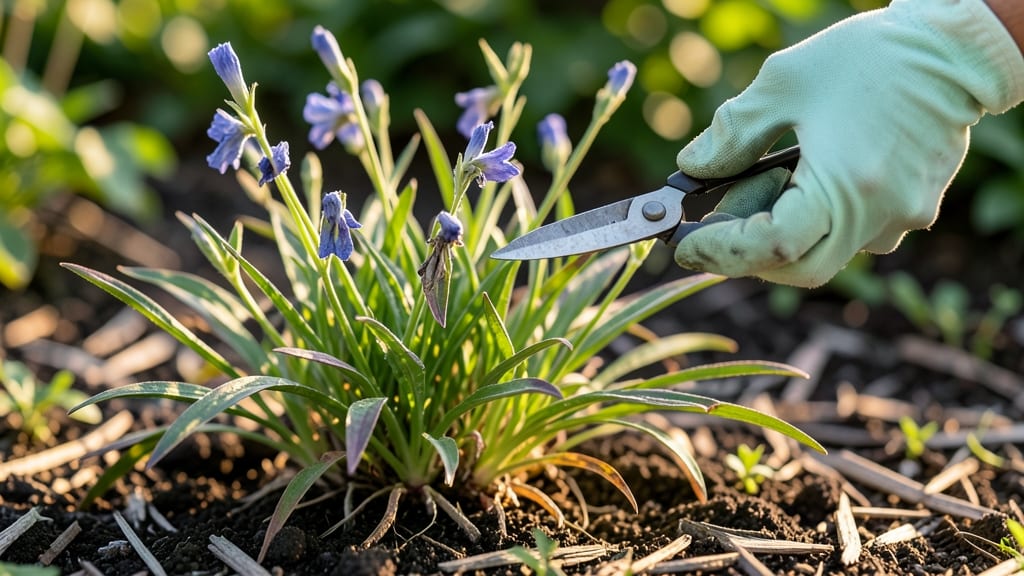
Deadheading spiderwort keeps those purple blooms coming all season. ✨ I learned the hard way—skipping this step means fewer flowers and more seed pods that drain energy from your plants. The right timing and technique make all the difference for lush, continuous blooms.
You’ll need sharp pruners or clean scissors and a sunny morning to work. The goal is to remove faded flowers cleanly, just above the next set of leaves or buds. This simple step tricks the plant into focusing on new blooms instead of seed production.
After just a few weeks, you’ll see a surge of fresh purple flowers. The plants stay compact, bloom longer, and look neater. It’s a 10-minute task that extends your spiderwort’s show by 4-6 weeks—worth every minute for that vibrant garden display.
Works for both in-ground and container plants, and the same method applies to other long-blooming perennials. Here’s exactly how to do it without damaging your spiderwort’s stems or leaves.
📚 In This Guide
- What you need
- Instructions
- Tips and common mistakes
- Wrapping up and next steps
What you need
- ● Pruning shears or sharp scissors – Opt for bypass pruners (clean cuts, minimal damage) or small, sharp scissors. Sterilize with rubbing alcohol (70% isopropyl) before and after use to prevent disease spread. Quantity: 1 pair.
- ○ Gloves (optional but recommended) – Wear gardening gloves to protect your hands from sap or thorns (if dealing with variegated varieties). Material: Nitrile or cotton.
- ● Garden twine or rubber bands – Useful for tying up spent blooms in clusters before removal. Quantity: A small roll or 2–3 bands.
- ● Bucket or trash bag – For collecting deadheaded flowers and debris. A 5-gallon bucket or sturdy bag works well.
- ○ Water spray bottle (optional) – Helps refresh wilted stems post-pruning for a cleaner look. Size: 8–16 oz.
- ● Timing is key: Deadhead spiderwort on a dry, sunny morning when blooms are fully open but before they seed.
- ● Sharp tools = happy plants: Dull shears crush stems, inviting pests. Test your blades by snipping a leaf—clean cuts are a must!
- ● Safety first: If your spiderwort is near a walkway or pet area, wear gloves to avoid sap irritation.
Step-by-step instructions for deadheading spiderwort
Here's how I keep my spiderwort blooming for months—no guesswork, just precise timing and technique.
✂️ Step 1: Identify the Right Blooms to Trim
Spiderwort flowers last just 1-2 days before fading, so timing matters. Wait until the petals drop completely but the stem remains firm—this tells me the bloom has fully spent its energy. Never cut open buds or partially faded flowers, as this signals the plant to stop producing new blooms.
I look for fully wilted purple blooms with stems that still feel sturdy when pinched. If the stem is soft or mushy, it's past its prime and may attract pests. Use clean, sharp pruners or your fingers to pinch stems—just avoid crushing the foliage below.
✂️ Step 2: Cut at the Correct Angle and Location
The key to deadheading spiderwort is cutting just above the first set of healthy leaves where the bloom stem meets the main plant. This encourages new growth from that node. Angle your cut slightly upward to prevent water from pooling on the stem, which could cause rot.
I use clean pruners (disinfected with rubbing alcohol) to make a ¼-inch cut above the leaf junction. Avoid leaving stubs—this prevents disease and keeps the plant looking tidy. If you're pinching by hand, use your thumb and forefinger to snap cleanly at the base of the bloom stem.
✂️ Step 3: Remove Spent Blooms and Stimulate Regrowth
After trimming, toss the spent blooms into your compost bin—never leave them on the plant. This prevents seed formation and redirects the plant's energy toward producing fresh blooms. I deadhead every 3-5 days during peak bloom season (late spring to early fall) to keep the plant flowering continuously.
Watch for new buds forming at the base of the plant within 7-10 days after deadheading. If you see leggy stems or sparse blooms, your plant may need more sunlight—spiderwort thrives in full sun to partial shade (6+ hours of direct light daily). A little morning sun and afternoon shade works well in hot climates.
🌿 Step 4: Maintain Post-Deadheading Care
After deadheading, water the plant at the base (not overhead) to avoid wetting the foliage, which can invite fungal issues. Spiderwort is drought-tolerant once established, but a deep watering once a week keeps it thriving. Mulch around the base with 2-3 inches of organic mulch to retain moisture and suppress weeds.
If your spiderwort starts producing fewer blooms, it might be time to divide the plant. Every 3-4 years, I dig up clumps, separate the rhizomes, and replant them in fresh soil. This rejuvenates the plant and gives you more blooms the following season. Just be gentle—spiderwort roots are fibrous and break easily.
Tips & tricks for perfect spiderwort deadheading
Timing and technique make all the difference when keeping spiderwort blooming—here's how to avoid common pitfalls and get the most vibrant purple flowers.
Timing Secret: The 1-2 day window for identifying spent blooms is critical. I've learned the hard way that cutting too early (when buds are still firm) or too late (when stems turn mushy) both signal the plant to stop blooming. Check your spiderwort daily during peak bloom season—morning is the best time to spot fully wilted purple blooms with sturdy stems. This daily check prevents missed blooms and keeps your plant producing new flowers continuously.
Equipment Intelligence: While clean pruners are ideal, your fingers work perfectly for pinching stems—just be gentle. I always disinfect my pruners with rubbing alcohol before use, but if you're using fingers, simply wash them with soapy water between plants. The key is avoiding crushing the foliage below the bloom stem, which can damage the plant's energy flow. A quick wipe-down of your tools between plants prevents spreading any potential diseases.
Regrowth Strategy: The 3-5 day deadheading schedule during peak season is non-negotiable for continuous blooms. I set a reminder on my phone for every 4 days to stay consistent. Watching for new buds forming within 7-10 days after deadheading is incredibly rewarding—it's your sign that the plant is redirecting its energy toward fresh growth. If you notice leggy stems, it's your plant's way of telling you it needs more sunlight.
Post-Care Wisdom: That weekly deep watering at the base (not overhead) is what keeps spiderwort thriving long-term. I've seen plants wither when people water the foliage, which invites fungal issues. The 2-3 inches of organic mulch around the base works wonders for moisture retention and weed suppression. And here's a pro tip: if you notice fewer blooms after 3-4 years, it's time to divide those rhizomes—your plant will thank you with a fresh burst of purple blooms next season.
Pro Tips for Deadhead Spiderwort
- Timing and technique make all the difference when keeping spiderwort blooming—here's how to avoid common pitfalls and...
- Timing Secret: The 1-2 day window for identifying spent blooms is critical. I've learned the hard way that cutting to...
- Equipment Intelligence: While clean pruners are ideal, your fingers work perfectly for pinching stems—just be gentle....
Frequently asked questions
Got questions about deadheading Tradescantia (commonly called spiderwort)? You’re not alone! Here are the most common concerns—and straightforward answers—to keep your plants thriving and blooming all season.
When is the best time to deadhead spiderwort?
Deadhead spiderwort after the flowers fade but before they turn brown or seed. Aim for early morning when the blooms are still slightly wilted but haven’t fully dried out. This timing encourages new growth and prevents unwanted self-seeding.
Do I need special tools to deadhead spiderwort?
Nope! A clean pair of sharp pruning shears or even your fingers work. Just avoid tearing stems—use a 45-degree angle cut just above a leaf node (where new growth emerges) for the cleanest results. A small pair of scissors works too if you’re delicate with your trimming.
Will deadheading spiderwort make it bushier?
Deadheading redirects the plant’s energy from seed production to new foliage and flowers. For a fuller look, pinch back leggy stems too—cut just above a set of healthy leaves to spur branching. Repeat every 2–3 weeks during peak bloom.
What if I skip deadheading?
Spiderwort is resilient, but skipping deadheading can lead to overcrowded stems, fewer blooms, and a messy appearance. Seeds may also pop up unexpectedly, creating volunteer plants where you don’t want them. Think of it as a quick chore for longer, prettier blooms!
Can I use deadheaded spiderwort flowers in arrangements?
Yes! The delicate purple blooms make stunning cut flowers. Snip stems at an angle, strip lower leaves, and place them in water immediately. They’ll last 3–5 days in a vase—perfect for adding a pop of color to bouquets or table centerpieces.
Wrapping up and next steps
Deadheading spiderwort is a simple yet rewarding task that keeps your garden vibrant with bold purple blooms all season long! By removing spent flowers with clean cuts and a little patience, you’ll encourage fresh growth and maintain your plant’s health.
With the right tools and technique, you’re well on your way to a thriving garden—so grab those pruners and enjoy the process! 🌸
Ready to take it further? Experiment with companion plants or explore spiderwort varieties to elevate your garden’s beauty even more!