
Pruning
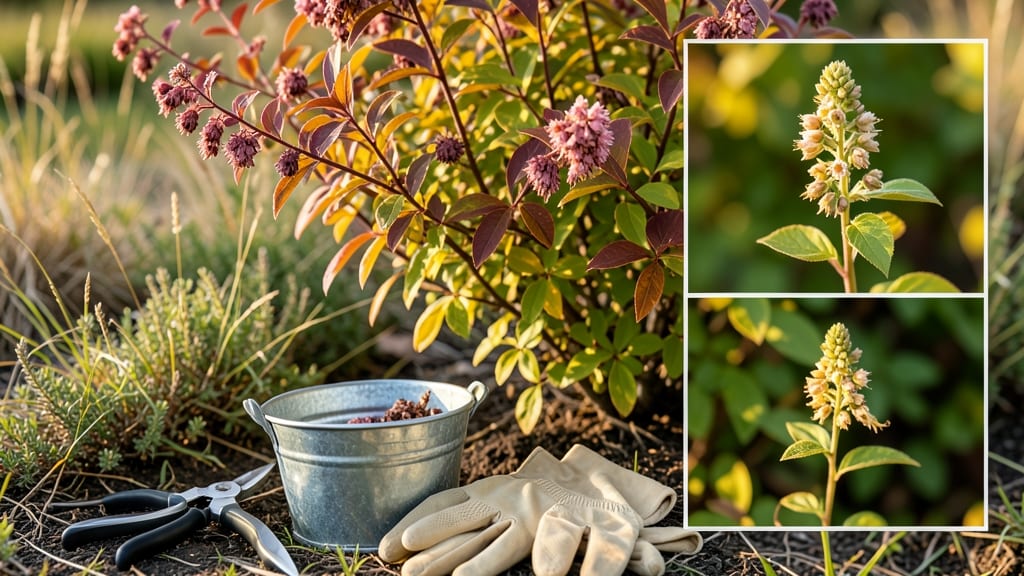
Your spirea could bloom for weeks longer—if you just snip at the right time. ✂️ Deadheading isn’t just about tidying up; it’s the secret to bushier growth and extended flower displays that’ll make neighbors ask for your gardening secrets.
All you need is a sharp pair of pruners, clean gloves, and about 10 minutes of focused time. The key move? Cutting right above a leaf node (not just anywhere) to encourage new branches. Timing matters too—wait until after the first flush of blooms fades but before seed heads form.
What you’ll get is a plant that keeps producing flowers instead of wasting energy on seeds. I’ve seen spirea go from a single burst of color to continuous blooms for months after mastering this simple technique. The bushier it gets, the more dramatic the display.
Works for all spirea varieties—whether you’ve got the airy feathery types or the compact shrub forms. Just remember: less is more. A little pruning now means more flowers later, without turning your plant into a sad, over-trimmed stump. Let’s get those blooms going!
📚 In This Guide
- What you need
- Instructions
- Tips and common mistakes
- Wrapping up and next steps
What you need
- ● Pruning shears or bypass pruners – Choose sharp, clean tools with a 4- to 6-inch blade for precision cuts. Dull blades crush stems, stressing the plant.
- ● Garden gloves – Opt for cut-resistant, breathable gloves (e.g., nitrile-coated or leather) to protect your hands from thorns and sharp stems.
- ● Disinfectant (rubbing alcohol or bleach solution) – 1 part bleach to 9 parts water to sterilize tools between cuts and prevent disease spread.
- ● Trash bag or bucket – A 10-20 gallon capacity for collecting spent blooms and debris. Line it with a plastic bag for easy cleanup!
- ○ Water spray bottle (optional but handy) – A 16-ounce misting bottle to dampen dusty stems or rinse tools mid-pruning.
- ● Loppers – For thicker spirea stems (½-inch diameter or larger), use bypass loppers with a 6-8 inch blade.
- ● Hand pruners with ratcheting mechanism – Reduces hand fatigue for long pruning sessions.
- ● Knee pads – If your spirea is ground-level or large, protect your knees with gel-infused or foam pads.
- ● Compost bin or garden waste container – Repurpose pruned blooms as nutrient-rich compost.
- ● Pruning saw (rarely needed) – Only for extremely thick, woody stems (e.g., Spirea japonica over 1 inch in diameter).
Step-by-Step instructions for deadheading spirea
Here's the simple routine I use to keep my spirea blooming all season long.
✂️ Step 1: Identify the Right Blooms to Trim
Spirea blooms on new wood, so you'll want to cut back spent flowers after they fade but before they form seeds. Look for clusters where the petals have dropped completely and the center turns brown or papery. These are your targets—never trim healthy blooms still showing color.
I like to work on a dry morning after the dew has evaporated. This makes it easier to see the faded blooms clearly. Grab your pruners and start at the outer edges of the plant, moving inward. This ensures you don't accidentally cut into fresh blooms hidden deeper in the shrub.
✂️ Step 2: Make Clean Cuts at the Right Spot
Cut each spent flower cluster back to the first set of healthy leaves or buds below it. This encourages the plant to produce new growth and more blooms. If you cut too far back into old wood, you'll remove potential blooming points for next season. Aim for a ¼ to ⅓ inch above the leaf or bud—this prevents damage while stimulating new shoots.
Use sharp, clean pruners to make your cuts. Dull blades crush stems and invite disease. After each cut, wipe the blade with rubbing alcohol to prevent spreading any potential pathogens between branches. You'll know you're doing it right when the cuts look smooth and the plant reveals fresh green growth underneath.
✂️ Step 3: Shape the Plant for Better Airflow
While you're deadheading, take a moment to thin out any overcrowded branches. Remove any that cross or rub against each other—this improves airflow and reduces the risk of fungal diseases. Focus on the outer third of the plant to maintain its natural shape and encourage a bushier appearance.
Step back occasionally to check your progress. You want the plant to look fuller, not bare. If you notice some areas looking too sparse, leave those branches alone—they might just need a little more time to recover. A well-shaped spirea will have a balanced silhouette with no single branch dominating the others.
⏰ Step 4: Schedule Regular Maintenance for Continuous Blooms
Spirea blooms in waves, so you'll need to repeat this process every 2-3 weeks throughout the blooming season. Set a reminder for early summer and again in late summer to keep your plant looking its best. The more consistently you deadhead, the longer your spirea will flower.
Don't worry if you miss a cycle—spirea is forgiving. Just focus on keeping the plant healthy with regular watering and occasional light pruning. You'll see the difference in just a few weeks: thicker growth, more vibrant blooms, and a bush that stays lush all season long.
Tips & tricks for perfect spirea deadheading
Keeping your spirea blooming beautifully takes just a few smart tricks—here's what I've learned from years of pruning mine.
Timing is Everything: The 2-3 week schedule in Step 4 works because spirea blooms in waves. If you notice some clusters fading while others are still vibrant, that's your cue to focus on the faded ones first. I mark my calendar with reminders for early and late summer to stay consistent—this prevents the plant from putting energy into seed production instead of new blooms.
The Quarter-Inch Rule: In Step 2, that ¼ to ⅓ inch above the leaf or bud might seem small, but it's crucial. Cutting too close damages the growth point, while cutting too far back removes potential blooming sites. I use my fingernail as a guide—when I can just barely fit my nail under the cut, I know I'm in the right range. This small detail makes all the difference in next season's flowers.
Equipment Check: Those sharp pruners aren't just for clean cuts—they're for plant health. I keep a small bottle of rubbing alcohol in my gardening toolkit to wipe between cuts, just like the instructions suggest. Dull blades tear stems and create entry points for diseases like powdery mildew. I also carry a small pair of scissors for trimming tiny clusters that my pruners can't reach—this prevents overhandling delicate stems.
Seasonal Strategy: While the instructions focus on summer maintenance, I extend my deadheading to early fall for spirea varieties that bloom late. The 2-3 week rule still applies, but I make one final pass in late September to remove any remaining faded blooms. This gives the plant one last chance to focus energy on root development rather than seed production before winter.
Pro Tips for Deadhead Spirea
- Keeping your spirea blooming beautifully takes just a few smart tricks—here's what I've learned from years of pruning mine.
- Timing is Everything: The 2-3 week schedule in Step 4 works because spirea blooms in waves.
- The Quarter-Inch Rule: In Step 2, that ¼ to ⅓ inch above the leaf or bud might seem small, but it's crucial.
Frequently asked questions
Got questions about deadheading spirea? You’re not alone! Here are answers to the most common concerns—so you can keep your spirea looking its best with minimal fuss.
When is the best time to deadhead spirea?
Deadhead spirea after the blooms fade but before seeds form—usually late spring through early summer for spring-blooming varieties (like Spiraea japonica) or mid-summer for repeat-bloomers. Skip deadheading in fall; it’s better to prune for shape then. Timing keeps your plant focused on new growth!
Do I need special tools to deadhead spirea?
Nope! Basic hand pruners or even clean, sharp scissors work great. Avoid dull tools—they crush stems and invite disease. For thick stems, bypass pruners (like felco models) make the job easier. Just sterilize your tools with rubbing alcohol between cuts to prevent spreading bacteria or fungi.
What if I miss deadheading? Will my spirea still bloom?
Don’t stress! Spirea is forgiving. Skipping deadheading won’t kill it—you might just see fewer blooms or leggy growth. If you’re behind, prune back any spent flowers now, then focus on shaping in late winter. Over time, consistent deadheading encourages more vibrant blooms and denser foliage.
Can I deadhead spirea in hot or rainy weather?
Avoid deadheading during peak heat (midday sun) or right after rain—both stress the plant. Early morning or late afternoon is ideal. Wet foliage can also spread disease, so wait until leaves dry if rain’s in the forecast. Think of it like trimming your hair after a shower: gentler on the plant!
What’s the difference between deadheading and pruning spirea?
Deadheading
= removing only spent blooms to encourage more flowers. Pruning = shaping the plant (usually in late winter) to control size, remove dead wood, or open up the center. Deadheading is light; pruning is strategic. Do both for a spirea that’s bushy and blooming all season!
Wrapping up and next steps
Deadheading spirea is a simple yet rewarding task that keeps your shrubs flourishing with vibrant blooms all season long!
By removing spent flowers and pruning strategically, you encourage bushier growth and longer-lasting beauty—plus, it’s a great way to stay connected to your garden. 🌸 Now that you’re armed with the know-how, grab your pruners and give your spirea the care it deserves. Next up? Try your hand at shaping other shrubs or exploring container gardening for even more blooms!