
Propagation
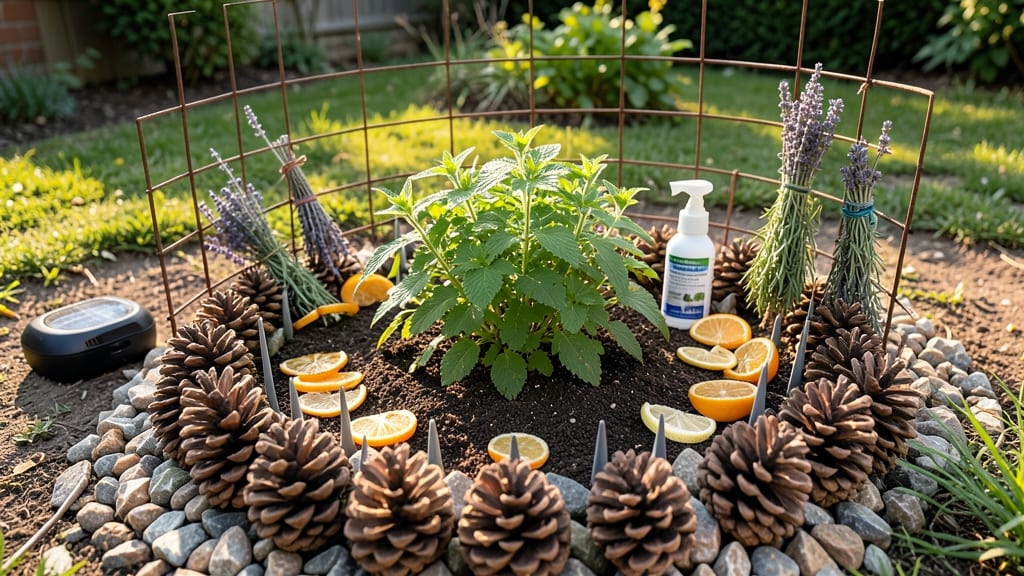
How to deter cats from flower beds used to be a frustrating battle—scratches, dug-up soil, and little "surprises" turned my garden into a cat playground. 🌱 The citrus spritz solution changed everything by using scents cats instinctively avoid, without harming plants or pets. This method works because cats dislike citrus oils, and the spray is easy to make with ingredients you likely already have. A quick mix of water, citrus peels, and a few drops of essential oil creates a natural barrier that keeps them away for weeks. No harsh chemicals, no fences—just a simple spritz that protects your garden. You'll notice the difference within a day: fewer paw prints, no more digging, and flowers that stay intact. The scent fades naturally, so you can reapply as needed without worrying about residue. For extra protection, pair this with cat-unfriendly plants like lavender or rue near problem areas. The combination creates a multi-sensory deterrent that works even better than single methods alone.
📚 In This Guide
- What you need
- Instructions
- Tips and common mistakes
- Wrapping up and next steps
What you need
- ● Citrus peels: 4–6 fresh peels from oranges, lemons, limes, or grapefruits (the more, the stronger the scent!)
- ● Water: 2 cups (for the spray solution)
- ● Spray bottle: 1–2 (8–16 oz, with a fine mist nozzle)
- ● Glass jar or container: 1 (for steeping peels, 16 oz or larger)
- ● Strainer or cheesecloth: 1 (to filter the citrus-infused water)
- ○ Gloves (optional but recommended): 1 pair (to avoid staining hands with citrus oils)
- ● Essential oils: 5–10 drops of cat-safe citrus oil (like lemon or orange) for extra potency
- ● Vinegar: 1 tbsp (adds a secondary deterrent scent)
- ● Mulch or gravel: A thin layer around flower beds (physical barrier + scent combo!)
- ● Spray bottle with a pump: If you prefer a stronger mist application
- ● Label or marker: To tag your spray bottle (e.g., “Citrus Cat Repellent”)
Step-by-step instructions for creating a natural citrus cat repellent
Here's how I keep my flower beds cat-free using a simple, pet-safe citrus spray that works in hours.
🌱 Step 1: Harvest and Prepare Citrus Peels
Grab 4-6 fresh citrus peels—I use grapefruit and orange since they're the most potent. The oils in the peels contain limonene and other compounds cats absolutely hate. Avoid dried peels—they lose their effectiveness.
Rinse the peels under cool water to remove any surface dirt, then pat them dry with a paper towel. You want them clean but not wet, as excess moisture can dilute the spray's strength. I like to cut the peels into 1-inch strips for easier handling and faster infusion.
💧 Step 2: Make the Citrus-Infused Water
Fill a quart-sized mason jar with 2 cups of boiling water—this extracts the oils most efficiently. Drop the citrus peels into the jar and let them steep for at least 24 hours. The longer they steep, the stronger the repellent becomes, but 24 hours is perfect for a fast-acting solution.
I place the jar in a dark cupboard overnight. This prevents mold growth while maximizing oil extraction. After steeping, strain the liquid through a fine-mesh sieve or cheesecloth into a clean spray bottle. You should have about 1½ cups of infused water—discard the used peels.
✂️ Step 3: Apply the Repellent to Flower Beds
Lightly mist the entire surface of your flower beds with the citrus spray, focusing on the edges where cats like to dig or scratch. Avoid oversaturating the soil—you want the leaves and stems to smell strongly, not drown. Reapply every 3-4 days or after rain, as the scent fades quickly.
For extra protection, I spray the undersides of leaves where cats might rub against plants. The strong citrus aroma disrupts their scent-marking instincts. If you have multiple beds, divide the spray into smaller bottles for easy transport.
☀️ Step 4: Reinforce with Physical Barriers (Optional)
While the citrus spray works well, I combine it with prickly plants like rosemary or lavender around the bed's perimeter. Cats dislike the texture and scent of these herbs. You can also use plastic pins or chicken wire buried slightly below the soil surface—cats hate the feeling of stepping on them.
Here's the thing—cats are creatures of habit. If you consistently apply the spray and reinforce with barriers, they'll learn to avoid the area within a week. I've seen neighborhood strays completely ignore my flower beds after just two applications.
🌿 Step 5: Monitor and Refresh as Needed
Check your flower beds daily for fresh scratches or dug-up soil. If you notice cats returning, reapply the spray immediately. The repellent loses effectiveness when it dries completely, so always keep a fresh batch on hand during active gardening seasons.
I like to make a large batch every two weeks during spring and summer when cats are most active. Store the unused spray in the refrigerator for up to 10 days—the cold preserves the citrus oils longer. This method keeps my flower beds thriving while keeping feline visitors at bay naturally.
Tips & tricks for perfect natural citrus cat repellent
These simple tricks will help you maximize the effectiveness of your citrus cat deterrent while keeping it easy and hassle-free.
Citrus Selection Tip: While grapefruit and orange peels work best, you can also use lemon or lime peels if that's what you have on hand. The key is using fresh peels—never dried or canned. I've found that grapefruit peels contain the highest concentration of limonene, which is particularly effective at repelling cats. If you're using multiple citrus types, keep the total peel quantity between 4-6 peels to maintain the right balance of oils in your 2 cups of water.
Steeping Strategy: The 24-hour steeping time is crucial for extracting the maximum amount of citrus oils, but don't be afraid to extend it up to 48 hours if you want an even stronger repellent. I've noticed that after 36 hours, the scent becomes noticeably more potent. Just remember to keep the jar covered and in a dark place to prevent mold growth. If you're short on time, 24 hours will still give you good results, but you might need to reapply more frequently.
Application Technique: When applying the spray, focus on the edges of your flower beds and any areas where cats frequently scratch or dig. A light mist is all you need—the goal is to make the area smell strongly to cats, not soak the plants. I've found that spraying the undersides of leaves is particularly effective because cats often rub against plants, and the scent will transfer directly to their fur. For large gardens, divide your spray into smaller bottles to make application easier and more targeted.
Storage Wisdom: To preserve the potency of your citrus repellent, store any unused spray in the refrigerator for up to 10 days. The cold helps maintain the citrus oils' strength longer. I like to label my spray bottles with the date to keep track of freshness. If you notice the scent fading before 10 days, you can always make a fresh batch—it's quick and easy! The refrigerator also prevents mold growth, which can occur if the spray sits at room temperature for too long.
Pro Tips for Deter Cats From Flower Beds
- These simple tricks will help you maximize the effectiveness of your citrus cat deterrent while keeping it easy and hassle-free.
- Citrus Selection Tip: While grapefruit and orange peels work best, you can also use lemon or lime peels if that's what you have on hand.
- Steeping Strategy: The 24-hour steeping time is crucial for extracting the maximum amount of citrus oils, but don't be afraid to extend it up to 48 hours if you want an even stronger repellent.
Frequently asked questions
about keeping cats away from your flower beds—because even the best citrus spritz needs a little extra insight!Will citrus spray harm my plants?
The citrus spritz (lemon, orange, or grapefruit peels) is generally safe for most plants, but avoid spraying directly on delicate blooms or foliage. Test a small area first—citrus oils can be too acidic for some varieties like azaleas or hydrangeas. Stick to the soil or mulch around plants for best results!
How long does the citrus deterrent last?
Citrus scent fades quickly—reapply every 3–5 days or after rain. For longer protection, combine it with physical barriers (like chicken wire) or commercial cat repellents (check for pet-safe options). Consistency is key!
What if my cat keeps coming back?
If citrus alone doesn’t work, try these layered tactics:
- Motion-activated sprinklers (startle cats without harm).
- Prickly mulch (like pine cones or holly clippings) for a natural barrier.
- Feliway diffusers (cat pheromones) to redirect their attention.
Does sunlight affect the citrus spray’s effectiveness?
Yes! Sunlight breaks down citrus oils faster, so reapply more often in hot climates. Store extra spray in a cool, dark place (like a shed) to prolong its potency. Morning or evening applications work best when UV exposure is lower.
Are there chemical-free alternatives to citrus?
Try these natural repellents:
- Vinegar-water spray (1:1 ratio—cats hate the smell!).
- Coffee grounds sprinkled around beds (refresh weekly).
- Rosemary or lavender plants (cats dislike their scent).
Wrapping up and next steps
Deterring cats from your flower beds doesn’t have to be a battle—just a few natural tweaks can make your garden a no-go zone for feline visitors! 🌿 From citrus sprays and prickly barriers to cozy alternatives like catnip patches, the key is consistency and creativity.
Your hard work will pay off with lush, cat-free blooms all season long.
Ready to reclaim your garden? Start small—try one or two methods this week and observe what works best. Happy gardening, and may your flower beds thrive without unwanted guests! 🌸