
Size
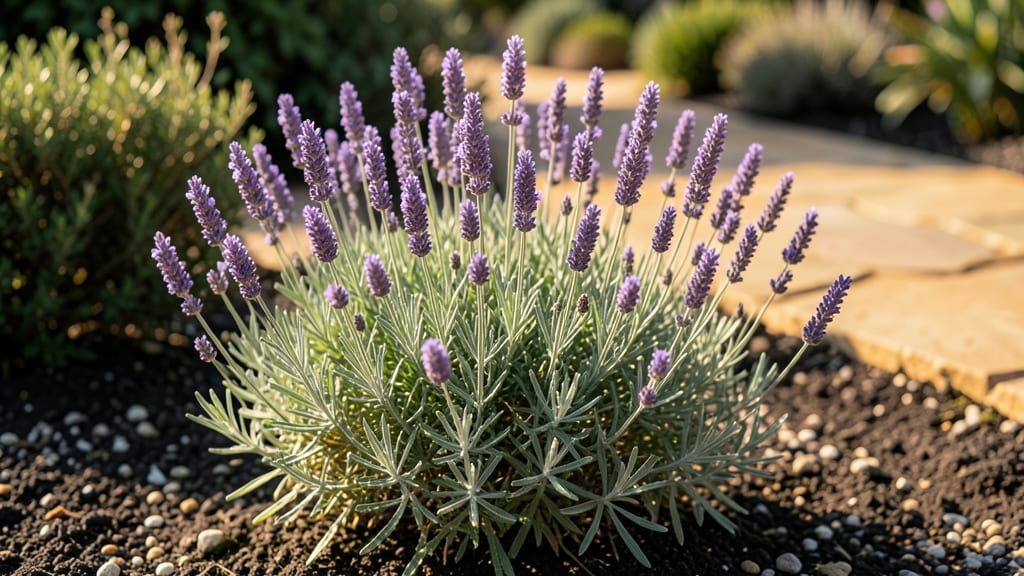
How to grow lavender plants outdoors transforms your garden into a fragrant purple paradise. 🌿 I've learned the hard way—lavender demands well-drained soil and full sun, or it sulks with yellowing leaves and sparse blooms. But when you nail those basics, you get fragrant spikes that hummingbirds adore and cuttings that last for months in vases.
The secret starts with soil: lavender hates soggy roots, so amend heavy clay with sand or gravel until water runs through like a sieve. Plant in spring or early fall when temperatures are mild, spacing plants 18-24 inches apart to prevent overcrowding.
Most nurseries sell established plants, but starting from seed takes patience—germination can take weeks.
Once established, lavender thrives on neglect—water only when the soil is bone-dry, and prune right after flowering to encourage bushier growth. The scent alone makes it worth the effort, but the drought tolerance means you'll spend less time fussing and more time enjoying your sunlit garden oasis.
Even in containers, lavender performs beautifully—just ensure the pot has drainage holes and use a cactus/succulent mix. My balcony lavender blooms every summer, proving you don’t need a sprawling yard to grow this Mediterranean treasure. The key is mimicking its natural habitat: dry, sunny, and unfussy.
📚 In This Guide
- What you need
- Instructions
- Tips and common mistakes
- Wrapping up and next steps
What you need
- ● Lavender plants: 3–5 healthy nursery-grown lavender plants (e.g., Lavandula angustifolia or Lavandula x intermedia for larger varieties). Choose established plants (6–12 inches tall) for faster results.
- ● Well-draining soil: A mix of 50% native soil, 30% coarse sand or perlite, and 20% compost (lavender hates soggy roots!). Test soil pH—aim for 6.0–7.5.
- ● Sunlit location: A spot with 6–8+ hours of direct sunlight daily (partial shade in hot climates can help). Avoid low-lying areas where frost or water pools.
- ● Garden space: For bush lavender: Space plants 18–24 inches apart in rows.
- ● For spreading varieties: Allow 2–3 feet between plants.
- ● Watering can or hose: With a gentle spray nozzle to avoid disturbing soil.
- ● Pruning shears: Sharp, clean shears (sterilize with rubbing alcohol between cuts).
- ● Mulch: Gravel or pebbles (1–2 inches) around plants to improve drainage and deter weeds (avoid organic mulch like wood chips—it retains moisture).
- ● Drip irrigation or soaker hose: For consistent, low-stress watering (lavender dislikes wet foliage).
- ● Fertilizer: A low-phosphorus, high-potassium fertilizer (e.g., 5-10-10 ratio) applied once in early spring (too much nitrogen = leggy plants!).
- ● Stakes or cages: For tall varieties (e.g., Lavandula x intermedia) to support stems as they grow.
- ● Companion plants: Pair lavender with rosemary, thyme, or sage for a Mediterranean-style garden.
- ● Harvesting tools: Scissors or a sharp knife for cutting stems (harvest before flowering for essential oils or after blooming for dried bundles).
Step-by-Step instructions for growing lavender outdoors
Sun, soil, and patience are all you need for fragrant lavender that thrives for years.
🪴 Step 1: Choose the Perfect Planting Spot
Lavender demands full sun—at least 6-8 hours daily. I pick the driest, sunniest corner of my garden because lavender hates soggy roots. A south-facing slope or raised bed works best, as it drains water quickly. Avoid low spots where moisture lingers after rain.
Test your spot by observing how long water sits after a storm. If puddles last more than an hour, amend the soil with 3-4 inches of gravel or coarse sand to improve drainage. Lavender's roots need air as much as they need soil.
🌱 Step 2: Plant at the Right Depth and Spacing
Dig a hole just as deep as the lavender's root ball but twice as wide. This encourages roots to spread outward rather than circle the pot. Gently tease the roots apart if they're tightly bound—lavender grows best when roots can explore freely. Space plants 18-24 inches apart for mature size.
Fill the hole halfway with soil, then place the plant so the top of the root ball sits 1 inch below soil level. This prevents the crown from sitting exposed, which causes rot. Backfill with native soil (lavender prefers lean conditions) and press gently to remove air pockets.
☀️ Step 3: Water Deeply but Infrequently
Water lavender thoroughly right after planting to settle the soil, then let it dry completely before watering again. Overwatering is the #1 killer—lavender's native Mediterranean climate means it's adapted to drought, not consistent moisture. You'll know it's time to water when the top 2-3 inches of soil feel dry to touch.
After the first year, lavender rarely needs supplemental water unless your summer is exceptionally dry. A 1-inch rainfall weekly is ideal. If you must water, do it at the base in the morning to prevent fungal issues from evening moisture.
✂️ Step 4: Prune for Bushier Growth and Longer Blooms
Wait until spring to prune—never cut back lavender in fall or winter. Use clean, sharp shears to trim 1/3 of the plant's height right after blooming. This encourages dense growth and prevents leggy stems. I prune mine in early June when the flowers start fading.
Shape lavender lightly by trimming the tips of new growth to promote branching. Avoid "haircutting" the top flat—this stresses the plant. Deadhead spent blooms to redirect energy into next year's flowers. Never prune into old wood (the woody stems), as lavender won't regrow from there.
⏰ Step 5: Protect and Maintain Through Seasons
Mulch lightly with 1 inch of gravel (never organic mulch) to retain heat and deter weeds. Lavender's shallow roots need warmth, and gravel reflects sunlight onto the crown. In winter, add 2-3 inches of straw mulch around the base if your zone drops below 15°F—this protects the crown from freeze-thaw cycles.
Fertilizer is rarely needed—lavender thrives in poor soil. If growth stalls after 2 years, apply a low-nitrogen, balanced fertilizer (5-5-5) in early spring. Yellowing leaves usually mean overwatering, while brown tips signal underwatering or salt buildup from hard water. Adjust your care based on what you see.
Tips & tricks for perfect lavender growth
Took me years to figure out what lavender really needs—here are the secrets that make all the difference.
Sunlight Secret: The 6-8 hours of daily sun in Step 1 aren't just about light—they're about heat. Lavender loves when the soil warms up, so I always plant mine where it gets afternoon sun. If your spot gets afternoon shade, consider a raised bed with south-facing exposure. I've seen lavender struggle in morning-only sun, even with perfect drainage.
Root Freedom Technique: When planting in Step 2, don't just drop the plant in the hole—loosen those roots! I take my time teasing them apart with my fingers, especially if they're tightly bound from the pot. This might feel tedious, but it's what prevents that "pot-bound" look where roots circle instead of spreading. Think of it like giving your lavender a spa day for its roots.
Watering Wisdom: The "let it dry completely" rule in Step 3 is non-negotiable, but here's the trick: I water mine in the morning, then wait until the top 2-3 inches feel like a dry sponge before watering again. In summer, I might go 2 weeks between waterings—lavender's tougher than you think. The key is to never let it sit in damp soil, which is why that gravel amendment in Step 1 makes all the difference.
Pruning Pro Tip: That 1/3 height trim in Step 4 works wonders, but timing matters. I wait until the flowers start fading but haven't completely browned—usually mid-June for me. And here's what nobody tells you: after pruning, I always give the plant a good shake to dislodge any hidden pests. It's like giving your lavender a fresh start after its haircut.
Pro Tips for Grow Lavender Plants Outdoors
- Took me years to figure out what lavender really needs—here are the secrets that make all the difference.
- Sunlight Secret: The 6-8 hours of daily sun in Step 1 aren't just about light—they're about heat.
- Root Freedom Technique: When planting in Step 2, don't just drop the plant in the hole—loosen those roots!
Frequently asked questions
Got questions about growing lavender outdoors? You’re not alone! Here are answers to the most common queries to help you cultivate thriving, fragrant lavender plants with confidence.
How long does it take for lavender to grow from seed?
Lavender grown from seed can take 6–12 months to mature, depending on the variety and growing conditions. For faster results, opt for started plants (1–2 years old), which bloom within 6–8 weeks of planting. Patience is key—seed-grown lavender often takes longer but can be more rewarding!
When is the best time to plant lavender outdoors?
The ideal time to plant lavender is in early spring (after the last frost) or early fall (4–6 weeks before the first frost). Avoid planting in summer heat, as young plants struggle with transplant shock. If you’re in a mild climate, fall planting gives roots time to establish before winter.
How often should I water lavender plants?
Lavender is drought-tolerant once established, but newly planted lavender needs regular watering—about 1 inch per week (including rainfall). Water deeply but infrequently to encourage deep root growth. Overwatering is the #1 killer of lavender, so let the soil dry out between waterings.
What are common pests or diseases affecting lavender, and how do I prevent them?
Lavender is generally pest-resistant, but watch for aphids, spider mites, or whiteflies. Treat with neem oil or insecticidal soap if needed. Root rot from overwatering is the biggest disease risk—ensure well-draining soil and avoid soggy conditions. Prune regularly to improve airflow and reduce fungal risks.
Can I grow lavender in containers, and what’s the best soil mix?
Lavender thrives in containers with fast-draining soil. Use a mix of 50% potting soil, 30% perlite, and 20% coarse sand. Add a handful of gravel or pumice to the bottom for extra drainage. Containers should have drainage holes, and you’ll need to water more frequently than in-ground plants.
Wrapping up and next steps
Growing lavender outdoors is a rewarding journey that brings beauty, fragrance, and tranquility to your garden.
With the right sunlight, soil, and care, you’ll enjoy lush purple blooms and a soothing aroma for years to come. 🌿✨ Whether you’re a beginner or seasoned gardener, these steps make it simple—and the results are worth every effort!
Ready to dive in? Start by choosing your lavender variety and picking a sunny spot in your yard. Grab your plants, tools, and soil amendments, and let the fragrant adventure begin! 🌱💜