
Companion Plants
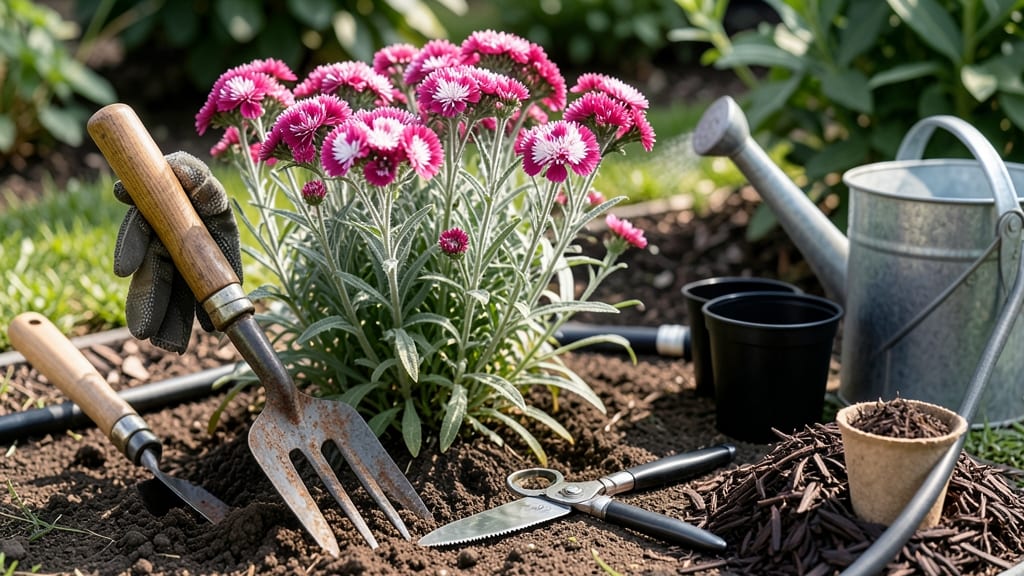
How to divide dianthus plants is a simple way to keep these fragrant bloomers thriving for years—just split them every 2-3 seasons. The secret lies in timing and technique, something I learned after watching my first plant fade from overcrowding. You’ll need sharp pruners, a trowel, and a sunny spot for recovery. The best time is early spring or fall when plants are dormant but roots are active—never during peak bloom. I’ve divided mine in both seasons, and spring gives slightly faster regrowth. After splitting, you’ll get 3-4 healthy divisions per original plant, each ready to burst with pink, red, or white flowers. The key is clean cuts and minimal root disturbance—no tugging or rough handling. Within weeks, new growth appears, and by next season, you’ll have twice the blooms. This method works for both perennial dianthus and some varieties that self-seed. The only mistake to avoid? Waiting too long—overcrowded plants produce fewer, smaller flowers. Let’s get growing!
📚 In This Guide
- What you need
- Instructions
- Tips and common mistakes
- Wrapping up and next steps
What you need
- ● Sharp bypass pruners or clean garden shears – Size: 6-8 inches (for clean cuts without crushing stems).
- ● Garden trowel or small spade – Size: 6-8 inches wide (for digging around roots).
- ○ Gloves (gardening or work gloves) – Optional but recommended to protect hands from thorns or dirt.
- ● Watering can or hose with a gentle spray nozzle – For hydrating plants before and after division.
- ● Compost or well-aged manure – Quantity: 1-2 cups per divided plant (to enrich soil post-division).
- ○ Mulch (optional but helpful) – Type: Straw, pine needles, or shredded bark (to retain moisture and protect roots).
- ● Plant labels (if needed) – To track varieties after replanting.
- ● Rooting hormone (powder or gel) – Speeds up root growth for cuttings or divided sections.
- ● Disinfectant (rubbing alcohol or bleach solution) – To sterilize tools between cuts and prevent disease.
- ● New pots or garden space prepared – If replanting divided sections immediately.
- ● Anti-transpirant spray (e.g., Vapor Gard) – Helps reduce stress on plants post-division.
Step-by-Step instructions for dividing dianthus plants
Here's the foolproof method I use to split dianthus clumps and get twice the blooms—without sacrificing plant health.
Time the Division for Best Results
Divide dianthus in early spring before new growth begins or in early fall after flowering stops. These are the only safe windows—planting in summer heat stresses roots, while winter division risks frost damage. Look for established clumps with multiple stems radiating from a central point—these are ready to split.
I always check the weather forecast first. Choose a day with overcast skies or light rain—this helps reduce transplant shock. If you must divide in full sun, do it in the early morning or late afternoon to avoid midday heat stress. The key is keeping roots moist but not soggy during the process.
Prepare Tools and Workspace
Gather a sharp, clean spade or garden fork, a hose with gentle spray, and pruning shears. Avoid dull tools—they tear roots instead of cleanly separating clumps. Lay out a clean tarp or old sheet to work on, as dianthus roots can be fragile. I also keep a small bucket of water nearby to dip cuttings into while working.
Work in an area where you can spread out the clumps easily. If dividing multiple plants, keep them organized by marking each section with a small stake or label before cutting. This prevents mixing up sections, especially if you're propagating from different parent plants. The goal is to handle roots as little as possible—rough treatment invites disease.
Lift and Separate the Clump
Use your spade to dig around the clump in a 6-inch radius, cutting straight down to avoid damaging the crown. Lift the entire plant gently but firmly—dianthus roots are fibrous but can break easily if forced. Shake off excess soil to reveal the natural divisions where stems radiate outward. You're looking for sections with 3-5 stems each and a healthy root ball.
If the clump resists splitting, don't force it. Instead, use your fingers or the spade to tease apart the roots where they connect. Each new division should have at least one strong stem and a good share of roots. I usually aim for 4-6 divisions per mature clump—this gives you plenty of plants for doubling your display. Discard any sections with rotted roots or hollow stems.
Replant the Divisions Immediately
Dig holes slightly deeper than the root ball of each division, spacing them 12-18 inches apart in well-draining soil. Dianthus hates soggy roots, so amend the soil with sand or perlite if your native soil is heavy. Place each division in its hole, ensuring the crown sits just above soil level—burying it too deep causes rot, while leaving it exposed invites disease.
Water each newly planted division deeply but gently, using the hose spray to settle soil around the roots without displacing them. Mulch lightly with 1 inch of gravel or coarse sand to prevent soil from splashing onto leaves during watering. Avoid heavy mulch—it traps moisture and encourages rot. The first few days are critical, so keep the soil evenly moist (not wet) until new growth appears.
Care for Divided Plants Post-Division
For the first 2-3 weeks, protect divided dianthus from direct sun by providing partial shade with a lightweight shade cloth or placing them in a sheltered spot. This reduces stress while roots establish. Resume normal sunlight exposure once you see new growth—usually within 10-14 days. Avoid fertilizing for 4-6 weeks post-division; the plant needs to focus on root regrowth, not foliage.
Watch for wilting or yellowing leaves—this is normal for the first week as the plant adjusts. If leaves turn crispy or stems collapse, the division was too stressed. In this case, trim back any damaged foliage and water sparingly until you see recovery. With proper care, divided dianthus should bloom just as vigorously as the parent plant by next season—often even more so, since they now have more space to thrive.
Tips & tricks for perfect dianthus division
These little-known strategies will help you double your dianthus blooms without stressing your plants.
Timing Secret: The 24-hour watering rule before dividing is non-negotiable. I learned this the hard way—dry roots tear easily, and you'll end up with more broken stems than usable divisions. Water deeply so the soil is moist all the way through, but not soggy. Think of it like pre-soaking a stubborn piece of fabric—it becomes much more pliable when properly hydrated.
Root Health Check: When you're separating those 3-5 stem divisions in Step 3, focus on root quality over quantity. Healthy roots should be white or pale yellow, not brown or mushy. If you see any blackened or slimy roots, trim them immediately with your pruning shears. I've found that even a small amount of rot can spread quickly once replanted, so don't be shy about cutting back aggressively.
Replanting Precision: The 12-18 inch spacing recommendation isn't arbitrary—it's about airflow. Dianthus plants need good circulation to prevent fungal diseases. When you're planting those divisions, imagine you're creating a gentle breeze pattern through your garden bed. Too close, and you'll get crowded, leggy plants. Too far, and you waste space. I like to use a small ruler to mark my spacing lines before digging holes.
Post-Dividing Care: That first 2-3 week watering schedule is crucial, but here's what nobody tells you—the top inch of soil should feel like a damp sponge, not a wet washcloth. I use my finger as a moisture gauge, pressing gently. If water beads up on the surface, you're overdoing it. The goal is to encourage root growth, not create a swampy environment that invites rot.
Pro Tips for Divide Dianthus Plants
- These little-known strategies will help you double your dianthus blooms without stressing your plants.
- Timing Secret: The 24-hour watering rule before dividing is non-negotiable.
- Root Health Check: When you're separating those 3-5 stem divisions in Step 3, focus on root quality over quantity.
Frequently asked questions
Got questions about dividing your dianthus? You’re not alone!
Here are answers to the most common concerns—from timing to troubleshooting—so you can confidently split your clumps and keep those vibrant blooms coming.
When is the best time of year to divide dianthus?
The ideal window is early spring (just as new growth emerges) or early fall (before hard frosts). Avoid dividing in summer heat or winter cold—stress weakens plants and delays recovery. If you missed the spring deadline, fall is your next best shot!
How often should I divide my dianthus?
Divide every 2–3 years to prevent overcrowding, which reduces blooms and air circulation. Watch for signs like fewer flowers or tight clumps—these are your cues! Older plants benefit most from splitting, while younger ones (under 2 years) can wait.
Can I divide dianthus in pots, or is it only for garden beds?
Yes! Container-grown dianthus can be divided too—just ensure the pot is at least 12 inches wide for easy root access. Gently remove the plant, separate clumps with clean pruners, and repot in fresh, well-draining soil. Pro tip: Add a layer of grit to pots to mimic garden conditions!
What if my dianthus looks sad after dividing?
Don’t panic! Wilting or yellowing is normal—it’s your plant’s way of adjusting. Water lightly for the first week, then taper off. Avoid fertilizing for 4–6 weeks to let roots establish. If leaves turn crispy, you’re overwatering; if they’re limp but soft, it’s underwatering. Patience pays off!
Can I divide dianthus from cuttings instead of splitting clumps?
Stem cuttings
(4–6 inches long) root easily in moist perlite or sand. Dip ends in rooting hormone, cover with a plastic bag, and keep in bright, indirect light. Bonus: This method works year-round (indoors) and lets you propagate rare varieties without harming the parent plant.
Wrapping up and next steps
Dividing your dianthus plants is a simple yet rewarding way to expand your garden while keeping your blooms vibrant and healthy! 🌸 By following these steps—choosing the right time, prepping your tools, and handling the roots with care—you’ll soon have thriving new plants ready to brighten up more of your outdoor space. Don’t wait until overcrowding strikes: take action now and enjoy the beauty of doubled blooms next season!
Ready to get started? Grab your gloves, pick a sunny day, and dive in!