
Succulent
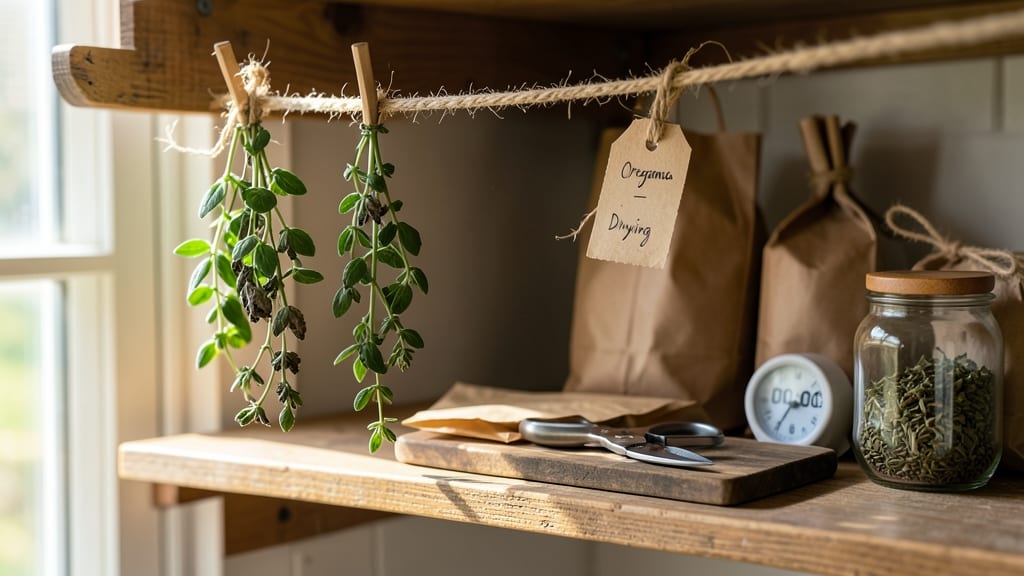
How to dry and store oregano transforms summer's harvest into winter's secret weapon. ✨ The right method preserves that bright, earthy aroma that makes homemade pasta sauce taste like a Tuscan vacation. I've dried oregano three ways—bundling, air-drying, and oven-drying—and the oven method wins for speed, while air-drying delivers the most intense flavor over time.
You'll need just three simple supplies: fresh oregano sprigs (harvested before flowering), a clean paper bag or mesh bundle, and either a warm, dark space or your oven set to 200°F.
The process takes 2-4 hours total, and proper storage keeps your dried oregano potent for up to 12 months. The key? Removing leaves from stems before storage—this prevents mold and keeps the leaves from turning to dust too quickly.
What you end up with is a pantry staple that outshines store-bought oregano by miles. The flavor stays vibrant in homemade marinara, Greek salads, and even roasted vegetables—where fresh oregano would wilt under high heat.
Properly stored, your dried oregano will smell like a Mediterranean breeze every time you open the jar.
This method works for both potted oregano and garden-grown plants, and scales from small harvests to large batches. Whether you're preserving a single plant's yield or drying a whole season's growth, the same principles apply. Let's get that oregano dried and stored like a pro!
📚 In This Guide
- What you need
- Instructions
- Tips and common mistakes
- Wrapping up and next steps
What you need
- ● Fresh oregano – A generous bunch (about 1–2 cups of sprigs, depending on your needs). Tip: Harvest before flowering for peak flavor!
- ● Clean, dry paper towels or a salad spinner – To gently remove excess moisture.
- ● String or twine – At least 12–18 inches long (for bundling).
- ● Brown paper bags or breathable fabric (like cheesecloth or a cotton towel) – For air-drying.
- ● Small glass jars, airtight containers, or vacuum-sealed bags – For storage (4–6 oz jars work well for short-term use).
- ○ Optional: Dehydrator or oven – If you prefer faster drying methods (see below).
- ● Food dehydrator – Set to 95°F–115°F (35°C–46°C) for even, gentle drying.
- ● Oven-safe baking sheet – Line with parchment paper if using the oven method.
- ● Desiccant packets or silica gel – To absorb moisture in long-term storage.
- ● Labeling supplies (masking tape + marker) – To note the harvest date and variety.
Step-by-Step instructions for drying and storing oregano
Here’s how to preserve your homegrown oregano so it stays vibrant and flavorful for months.
🌿 Step 1: Harvest at Peak Freshness
Pick oregano stems when they’re fully mature but before flowering begins—this ensures maximum oil concentration, which carries the flavor. I always harvest on a dry morning after the dew has evaporated; this prevents moisture from lingering on the leaves and slowing the drying process.
Use clean, sharp scissors or pruning shears to cut stems about 3-4 inches long, leaving at least 2-3 inches of growth on the plant. This encourages bushier regrowth. Avoid harvesting more than one-third of the plant at a time—oregano recovers poorly from aggressive pruning.
🌱 Step 2: Clean and Prepare the Stems
Rinse the stems under cool water to remove dirt or pests, then gently shake or pat them dry with a clean towel. Let them air-dry for 10-15 minutes before proceeding—any lingering moisture will create mold during drying. I spread them on a clean kitchen towel in a single layer, making sure the leaves aren’t touching.
Remove any yellowed or damaged leaves, as these will spoil faster. If you’re drying whole sprigs, tie them into small bundles with twine or rubber bands. This keeps the leaves upright and allows better airflow during the drying process.
☀️ Step 3: Dry the Oregano Properly
Choose one of two methods: air-drying or low-heat drying. For air-drying, hang the bundles upside down in a dark, well-ventilated space with a temperature between 65-75°F and low humidity. A pantry with a small fan circulating air works perfectly. In 2-3 weeks, the leaves should crumble easily between your fingers—this is your cue that drying is complete.
For low-heat drying, spread the stems in a single layer on a baking sheet lined with parchment paper. Place the sheet in a 200°F oven with the light on (or the door slightly ajar) to allow moisture to escape. Check every 30 minutes—drying takes 1-2 hours total. Overheating turns the leaves brown and dull, killing the flavor.
🪴 Step 4: Store for Long-Term Freshness
Once fully dry, strip the leaves from the stems and store them in an airtight container like a glass jar or vacuum-sealed bag. I use a 1-quart mason jar with a tight-fitting lid, filling it no more than halfway to allow airflow. Store the container in a cool, dark place—like a pantry or cupboard—where light and heat won’t degrade the oils.
Label the jar with the date; properly stored oregano retains its best flavor for 6-12 months. If you notice the leaves losing their green color or developing a musty smell, use them immediately or discard them. For even longer shelf life, freeze the dried leaves in ice cube trays with a little olive oil—this preserves the flavor for up to 2 years.
Tips & tricks for perfect oregano preservation
These little details make all the difference between oregano that loses flavor in weeks and herbs that stay vibrant for months.
Harvest Timing: The 10-15 minute air-drying after rinsing in Step 2 is crucial—don't skip it. Any lingering moisture creates the perfect environment for mold during drying. I've learned this the hard way after tossing batches that developed fuzzy spots. Use a clean kitchen towel to pat dry thoroughly, and spread stems in a single layer so air circulates evenly. This prevents clumping and ensures even drying throughout the stems.
Bundle Technique: When tying sprigs in Step 2, use rubber bands instead of twine if you're short on time. Rubber bands create a tighter bundle that maintains better airflow during the 2-3 week air-drying period. I also recommend cutting stems at a slight angle—this increases the surface area for moisture evaporation, helping them dry faster without losing their vibrant green color.
Oven Drying Precision: For the 200°F oven method, place a small bowl of water on the lower rack during the 1-2 hour drying time. The evaporating moisture helps prevent the leaves from drying too quickly on the edges while staying damp in the center. Check every 30 minutes as instructed, but also watch for when leaves start to curl at the edges—that's your signal to remove them immediately to prevent over-drying.
Storage Space Hack: In Step 4, if you're short on pantry space, store your 1-quart mason jar upside down in a cool, dark cabinet. The inverted position keeps the leaves compact and prevents them from absorbing moisture from the air. For even better preservation, add a small packet of silica gel (the kind that comes with electronics) to the jar before sealing—this absorbs any residual moisture and extends shelf life by several months.
Pro Tips for Dry And Store Oregano
- These little details make all the difference between oregano that loses flavor in weeks and herbs that stay vibrant f...
- Harvest Timing: The 10-15 minute air-drying after rinsing in Step 2 is crucial—don't skip it. Any lingering moisture ...
- Bundle Technique: When tying sprigs in Step 2, use rubber bands instead of twine if you're short on time. Rubber band...
Frequently asked questions
Got questions about drying and storing oregano?
You’re not alone! Here are answers to the most common concerns—so you can keep your herbs fresh and flavorful all year long.
How long does it take to dry oregano?
Fresh oregano typically takes 1–3 weeks to dry completely, depending on your method. Bundle-and-hang drying (air-drying) is the slowest but most flavor-preserving, while oven-drying (at 200°F or lower) takes just 1–3 hours. Test for doneness by crumbling a leaf—it should crumble easily with no moisture.
Can I speed up the drying process?
Yes! For faster results, use a dehydrator (set to 95°F for 2–4 hours) or a low-heat oven (200°F for 1–3 hours). Avoid high heat—it burns the oils and kills flavor. If you’re in a hurry, a paper towel press (place leaves between towels under a heavy book for 24 hours) can help, though air-drying remains best for potency.
How do I know if my oregano has gone bad?
Discard oregano if it has dull, faded color, a musty or sour smell, or visible mold. Freshly dried oregano should retain a vibrant green hue and a strong, aromatic scent. If stored properly in airtight containers, dried oregano lasts 6–12 months—but flavor peaks within the first 6 months.
Can I freeze oregano instead of drying it?
Freezing is a great alternative to preserve peak freshness. Chop leaves, spread them on a tray to prevent clumping, and freeze for 1 hour. Then transfer to a freezer bag or airtight container. Frozen oregano keeps for up to 6 months and works well in cooked dishes (though texture changes slightly).
Why does my dried oregano lose flavor?
Flavor fades due to light, heat, or moisture exposure. Store dried oregano in a cool, dark place (like a pantry or fridge) in airtight containers (glass jars or vacuum-sealed bags work best). Avoid plastic bags—they trap moisture and speed up spoilage. For long-term storage, consider freezing or using oxygen absorbers.
Wrapping up and next steps
Drying and storing oregano at home is a simple, rewarding way to savor its bold flavor all year long—without breaking the bank!
By following these steps, you’ll preserve its aromatic essence while keeping it fresh for cooking, teas, or even homemade remedies. Now that you’re equipped with the know-how, why not dry a fresh batch today? 🌿
Ready to elevate your kitchen? Try experimenting with your dried oregano in homemade marinades, pestos, or even homemade pasta sauces—your taste buds will thank you!