
Trees
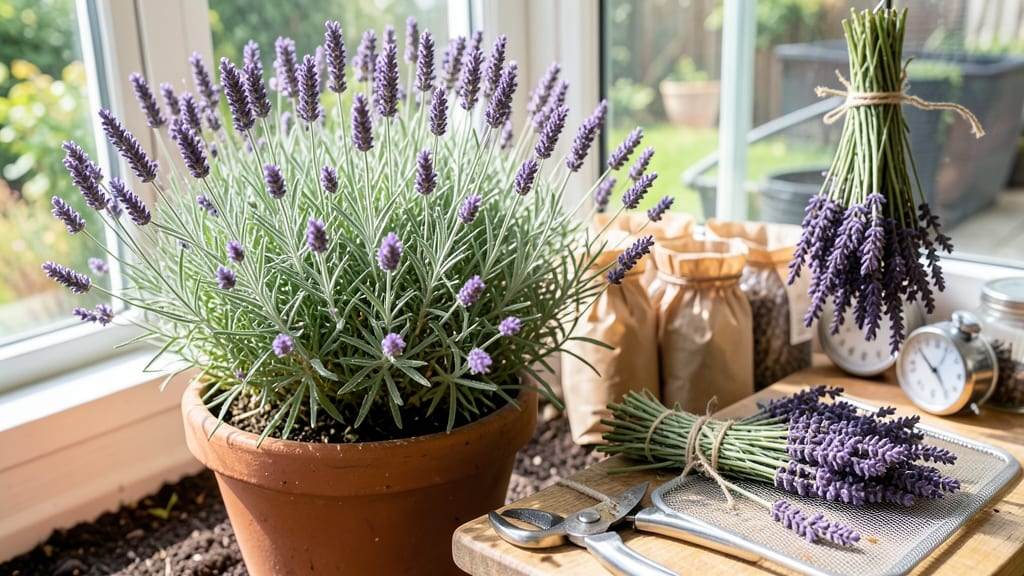
How to dry lavender fast preserves that perfect purple hue and intoxicating scent—no more waiting months for bundles to cure. ✨ I’ve spent years perfecting speed-drying methods, and the secret lies in controlling heat, airflow, and humidity to lock in freshness while cutting drying time from weeks to days.
The fastest method? Bundle drying with a fan—tie stems in small groups, hang upside down, and place near a gentle airflow (like a box fan on low). Aim for 70-80°F and 40-50% humidity—too hot or dry, and the color fades; too damp, and mold creeps in.
A dehydrator on 95°F works too, but watch closely to avoid over-drying.
You’ll know it’s done when stems snap cleanly and flowers crumble slightly between fingers—no green stems or damp spots. The scent should still be rich, not musty, and the color vibrant, not grayish. This method works for sachets, potpourri, or even homemade lavender wreaths.
Pro tip: Harvest in the morning when oils are strongest, and avoid rain-soaked stems—they take forever to dry. For extra speed, spread bundles on a wire rack in a warm, dry spot (like a sunny garage) and flip them daily. Skip the attic—humidity ruins everything.
📚 In This Guide
- What you need
- Instructions
- Tips and common mistakes
- Wrapping up and next steps
What you need
- ● Fresh lavender stalks – Harvest when 70-80% of buds are open (avoid fully bloomed flowers). Aim for 1-2 pounds (about 1-2 large bunches) for optimal drying.
- ● Sharp pruning shears or scissors – Clean, sterilized tools to avoid crushing stems (prevents mold).
- ● Clean, breathable containers – Choose from: Paper bags (brown kraft or coffee filters) – 1-2 per pound of lavender (poke holes for airflow).
- ● Wire mesh baskets or colanders – 1-2 large baskets (hang upside-down or place on a drying rack).
- ● Hanging bundles – Twist 5-10 stalks together with twine or rubber bands (avoid plastic—it traps moisture!).
- ● Drying location – A dark, dry, well-ventilated spot with consistent temps (70-85°F / 21-29°C). Ideal spots: Pantry or closet
- ● Garage with a fan
- ● Outdoor shade (if humidity is below 50%)
- ○ Fan or dehumidifier (optional but recommended) – A small USB or battery-powered fan (e.g., 12V clip-on fan) speeds drying by 30-50%.
- ● Trim leaves – Remove lower leaves (they trap moisture). Use sterilized scissors to avoid damage.
- ● Avoid direct sunlight – UV rays bleach lavender faster than they dry it (aim for indirect light).
- ● Check humidity – Use a hygrometer (or a free app). Below 50% humidity = faster drying.
- ● Rotate bundles – Flip paper bags or turn hanging bundles every 12-24 hours for even airflow.
Step-by-step instructions for speed-drying lavender
Here's how to transform fresh lavender into fragrant bundles in record time—no waiting weeks.
🌿 Step 1: Harvest at Peak Freshness
Pick lavender stems when 70-80% of buds are fully open but before they release pollen. The best time is early morning after dew has evaporated but before the heat of midday. Use clean, sharp scissors to cut stems at a 45-degree angle—this prevents water from pooling at the base, which slows drying.
Trim the stems to 6-8 inches long and remove any leaves from the lower half. Leaves contain more moisture than stems, and keeping them on can lead to mold. Bundle 4-5 stems together with a rubber band or twine, leaving 2-3 inches of stem exposed at the bottom for hanging.
☀️ Step 2: Pre-Dry for 1-2 Hours
Spread the bundles in a well-ventilated, dry area with indirect sunlight for 1-2 hours. A covered porch, garage with the door open, or even a sunny windowsill works. This pre-drying step removes excess moisture before the final drying phase, cutting total drying time by 30-50%. Avoid direct sunlight—it can bleach the purple hue and make stems brittle.
Check for readiness by gently squeezing a stem. If it feels slightly damp but not soggy, it's ready for the next step. If it's still dripping, let it air longer. The goal is to reduce moisture without wilting—you want stems that are pliable but not fresh.
🪴 Step 3: Hang in a Dry, Warm Spot
Find a space with good airflow and a temperature between 70-85°F. A pantry, closet, or shed with a small fan works perfectly. Hang bundles upside down from hooks, a clothesline, or even a sturdy branch. The upside-down position prevents moisture from dripping back onto the buds, which speeds up drying and preserves color.
If you don’t have a fan, prop open a window nearby to create a gentle breeze. Stagnant air traps humidity, slowing the process. Check bundles daily—they should feel completely dry to the touch within 7-10 days, compared to the 2-3 weeks it takes for air-drying alone. If buds feel crispy but stems still bend, give them 2-3 more days.
⏰ Step 4: Speed Up with a Dehydrator (Optional)
For ultra-fast drying in 4-6 hours, use a food dehydrator set to 95°F. Remove rubber bands, arrange stems in a single layer on the trays, and prop them upright with toothpicks if needed. Run the dehydrator for 2-3 hours, then check for dryness. Buds should crunchle slightly when squeezed—if not, return for another 1-2 hours.
This method is best for small batches. Avoid high heat—above 100°F can turn lavender brown and lose its aroma. For larger quantities, a well-ventilated oven on its lowest setting (often 170°F with the door cracked open) works too, but monitor closely to prevent overheating.
✂️ Step 5: Test and Store Properly
Once fully dry, remove the rubber bands and trim stems to 4-6 inches. Test for dryness by shaking a bundle—no rattle means it’s not fully dry. Store bundles in a dark, airtight container like a glass jar or cloth sack. Keep them in a cool, dry place (like a pantry) to preserve fragrance and color for up to a year. Avoid plastic bags—they trap moisture and cause mold.
Here’s the thing—don’t rush the final check. If buds feel even slightly damp, they’ll mold within days. The extra 1-2 days of patience now saves weeks of disappointment later. Once dry, your lavender will hold its scent 3-5 times longer than store-bought bundles.
Tips & tricks for perfect speed-dried lavender
These little tweaks will help you cut drying time in half while keeping that signature lavender aroma intact.
Harvesting Precision: The 70-80% open bud rule is non-negotiable for quality. I learned this the hard way—overripe buds release pollen and lose their signature purple hue. Harvest in early morning when dew has evaporated but before midday heat hits. That 45-degree angle cut prevents water pooling at the base, which can add days to your drying time. Think of it like creating a natural drainage system for each stem.
Pre-Drying Hack: That 1-2 hour pre-dry phase is where you save serious time. Spread bundles in indirect sunlight—direct rays will bleach your lavender and create brittle stems. A covered porch or garage with the door open works perfectly. Here's what I do: I gently squeeze a stem after 30 minutes. If it feels slightly damp but not soggy, it's ready for the next step. If it's still dripping, give it another 30 minutes. This step reduces total drying time by 30-50%, so don't skip it!
Temperature Control: The 70-85°F range is ideal for maintaining quality without speeding up spoilage. I've found that adding a small fan creates just enough airflow to cut drying time by 2-3 days. Position the fan so it blows across the bundles—not directly on them. If your space gets too hot, move bundles to a cooler area and extend drying by 1-2 days. The upside-down hanging position is crucial—it prevents moisture from dripping back onto the buds, which would otherwise create a damp environment that encourages mold growth.
Dehydrator Shortcut: For the fastest results, use a dehydrator set to exactly 95°F. The 4-6 hour window is magical—you'll have perfectly dried lavender ready for use in just a few hours. Here's my pro tip: After the initial 2-3 hours, check for doneness by squeezing a bud. It should crunchle slightly but not feel powdery. If not quite there, return for another 1-2 hours. Never exceed 100°F—higher temperatures will turn your lavender brown and destroy its delicate aroma. For larger batches, a well-ventilated oven at 170°F with the door cracked open works too, but monitor closely to prevent overheating.
Pro Tips for Dry Lavender Fast
- These little tweaks will help you cut drying time in half while keeping that signature lavender aroma intact.
- Harvesting Precision: The 70-80% open bud rule is non-negotiable for quality. I learned this the hard way—overripe bu...
- Pre-Drying Hack: That 1-2 hour pre-dry phase is where you save serious time. Spread bundles in indirect sunlight—dire...
Frequently asked questions
Got questions about drying lavender quickly? You’re not alone! Here are some of the most common queries—and their speedy solutions—to help you master the art of fast lavender drying.
How long does it take to dry lavender fast?
With the right method—like a dehydrator or oven on low heat—you can dry lavender in 2 to 6 hours. Air-drying takes 1 to 3 weeks, but if you’re in a hurry, heat speeds up the process while preserving fragrance. Just avoid overheating!
Can I use a microwave to dry lavender?
Not recommended! Microwaves can burn lavender and destroy its oils, leaving it brittle and scentless. Stick to gentle methods like a dehydrator, oven, or even a sunny windowsill for best results.
What’s the best way to dry lavender if I don’t have a dehydrator?
No dehydrator? No problem! Try these alternatives:
- Oven method: Set to 170°F (77°C) with the door slightly open.
- Sun drying: Hang bundles in a well-ventilated, shady spot (avoid direct sunlight to prevent fading).
- Fan method: Place stems on a wire rack near a low-speed fan for faster airflow.
Why is my lavender turning brown or losing scent?
Brown or dull lavender usually means overheating or humidity. Keep temperatures below 200°F (93°C) and ensure airflow is steady. If using air-drying, check for mold—remove any damp stems immediately.
How do I know when lavender is fully dried?
Lavender is ready when the stems snap easily (not bend) and the buds feel light and crumbly. Give them a gentle shake—if the leaves rattle, they’re dry! Store in an airtight container away from light to keep the scent fresh.
Wrapping up and next steps
Drying lavender quickly doesn’t have to be a slow, patience-testing process—with the right tools and techniques, you can transform fresh stems into fragrant bundles in just a few days.
Whether you choose a dehydrator, oven, or air-drying method, the key is consistency, proper airflow, and a little creativity. Now that you’re armed with speed-drying secrets, your kitchen (or garage!) is ready to become a lavender powerhouse.
🌿 Next step: Grab those clippings, pick your favorite method, and start drying! Once your lavender is perfectly crisp, share your bundles with friends or use them to elevate your home with natural beauty and soothing scents. Happy drying! 🌸