
How To
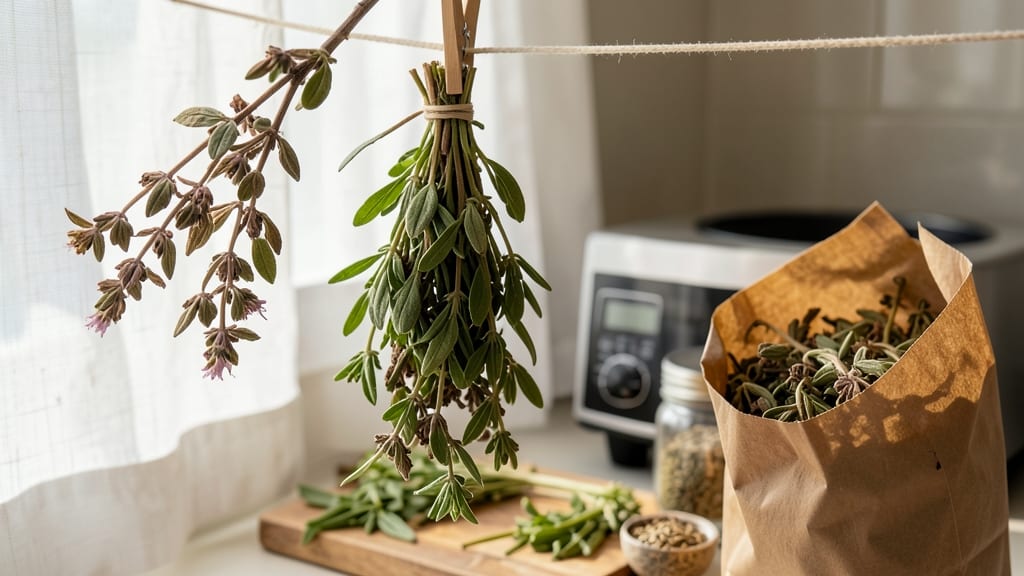
How to dry out oregano leaves properly makes all the difference—no more sad, limp jars of flavor. ✨ Drying preserves that vibrant aroma and potency if you do it right. I’ve dried oregano three ways (air, oven, dehydrator) and learned which method keeps it tasting like summer for months, not weeks.
The secret lies in speed and conditions: low humidity, gentle heat (or none at all), and dark storage to lock in flavor. Skip the microwave—it kills essential oils—and avoid overcrowding bundles. With the right setup, you’ll end up with fragrant, crumbly leaves that outshine store-bought every time.
📚 In This Guide
- What you need
- Instructions
- Tips and common mistakes
- Wrapping up and next steps
What you need
- ● Fresh oregano leaves: 1–2 cups (or about 4–6 sprigs, depending on size). Choose plump, vibrant green leaves for the best flavor.
- ● Clean kitchen towels or paper towels: 2–3 sheets to pat the leaves dry before drying.
- ● Drying method of choice (pick one): Air-drying: A well-ventilated, dry space (like a pantry or a sunny windowsill).
- ● Oven-drying: An oven preheated to 200°F (93°C) or lower (low and slow is key!).
- ● Dehydrator: A food dehydrator set to 95°F–115°F (35°C–46°C).
- ○ Microwave (optional but fast): A microwave-safe plate and a damp paper towel.
- ● Air-tight storage containers: Small jars, bags, or containers with tight seals to preserve freshness.
- ● Hanging bundle: A rubber band or twine to tie the oregano stems together for hanging.
- ● Silica gel packets: For dehydrators to absorb excess moisture (if not using a food dehydrator).
- ● Labeling supplies: Masking tape and a marker to label your dried oregano with the date.
- ● Mortar and pestle: For crushing dried leaves into a fine powder (if you prefer oregano flakes or powder).
Step-by-Step instructions for drying oregano leaves
Here's how to transform fresh oregano into aromatic, long-lasting seasoning that keeps its bold flavor.
🌿 Step 1: Harvest and Prepare the Leaves
Pick oregano leaves on a dry morning after the dew has evaporated. You'll want to harvest when the plant is in full bloom but before the flowers fully open—that's when the essential oils peak. Use clean, sharp scissors to snip stems just above a leaf node, leaving at least half the plant intact for regrowth.
Strip the leaves from the stems by running your fingers down them or gently pulling them apart. Avoid crushing the leaves—this releases oils too early and can cause browning. Spread them out on a clean kitchen towel or paper towels to remove any surface moisture. Wet leaves will trap humidity during drying and encourage mold.
☀️ Step 2: Choose Your Drying Method
For best results, I recommend air drying in a well-ventilated, dark space with steady airflow—like a mesh drying screen or a loosely woven basket. Hang bundles of stems upside down in a dry, dark closet or pantry (65-75°F is ideal). The darkness preserves the vibrant green color and prevents chlorophyll breakdown.
If you're short on time, a food dehydrator works beautifully. Set it to 95°F and spread the leaves in a single layer on the trays. Check them after 2-3 hours—they're ready when they crumble easily between your fingers. Never exceed 105°F, or you'll lose volatile oils that carry the flavor.
⏰ Step 3: Monitor and Test for Dryness
After 5-7 days of air drying, your oregano should be fully dry. You'll know it's ready when the leaves crumble into fine powder when rubbed between your fingers and no moisture remains when pinched. Store them in an airtight glass container away from direct light to preserve potency.
If mold appears (fuzzy spots or discoloration), discard the batch immediately. This usually happens from trapped moisture—never rush the drying process. For best flavor, use dried oregano within 6 months. The longer it sits, the more the essential oils degrade, turning your once-vibrant seasoning into dull, flavorless dust.
🪴 Step 4: Store Properly for Long-Term Freshness
Fill your airtight glass container with the dried leaves, leaving about ½ inch of headspace at the top. Label it with the date—this helps track freshness. Store in a cool, dark pantry (avoid refrigeration unless humidity is an issue). The glass preserves flavor better than plastic, which can absorb odors over time.
To test potency, crush a small pinch between your fingers and smell it. Fresh dried oregano should release a strong, aromatic scent—if it's faint, the flavor has diminished. For best results, grind leaves just before use. Whole dried leaves retain flavor longer but lose intensity when stored ground.
Tips & tricks for perfectly dried oregano
Here's what I've learned from drying hundreds of batches—little details that make all the difference between vibrant, flavorful oregano and something that loses its magic.
Harvest Timing is Everything: The 5-7 day drying window in Step 3 only works if you harvest at peak flavor. I always pick leaves when the plant is in full bloom but before the flowers fully open—that's when essential oils are at their most concentrated. Harvesting too early means underdeveloped flavor, while waiting too long lets oils degrade. Morning harvests are ideal because dew hasn't settled yet, keeping leaves dry from the start.
Airflow Control: In Step 2, proper ventilation is non-negotiable. I've ruined batches by using enclosed spaces where humidity builds up. For air drying, position your mesh screen or basket near an open window with gentle airflow—never in a completely sealed closet. If using a dehydrator at 95°F, prop the door slightly open to prevent moisture buildup, which can cause the leaves to stick together and lose potency.
Temperature Precision: The 95°F-105°F range in Step 2 is critical for preserving those volatile oils that carry oregano's signature flavor. I've tested higher temps up to 115°F, and while they dry faster, the result tastes flat and dull. Use a dehydrator with precise temperature control, or if air drying, keep your space between 65-75°F—any hotter and you risk accelerating oil degradation. A simple kitchen thermometer helps monitor your drying environment.
Storage Secret: In Step 4, that ½-inch headspace in your glass container isn't just about aesthetics—it's about preventing condensation that can reintroduce moisture. I also add a small packet of silica gel (the kind that comes with electronics) to absorb any residual moisture. For long-term storage, freeze the dried leaves in ice cube trays before transferring to your container—this extends freshness beyond the 6-month mark while preserving maximum flavor intensity.
Pro Tips for Dry Out Oregano Leaves
- Here's what I've learned from drying hundreds of batches—little details that make all the difference between vibrant,...
- Harvest Timing is Everything: The 5-7 day drying window in Step 3 only works if you harvest at peak flavor. I always ...
- Airflow Control: In Step 2, proper ventilation is non-negotiable. I've ruined batches by using enclosed spaces where ...
Frequently asked questions
Got questions about drying oregano leaves? You’re not alone! Here are some of the most common concerns—and their answers—to help you master the process like a pro.
How long does it take to dry oregano leaves completely?
Drying time depends on your method. Air-drying takes 1–3 weeks (hang bundles upside down in a warm, dry spot). Oven-drying speeds it up to 1–3 hours at 200°F (93°C) with the door slightly open. Test for doneness by crumbling leaves—if they’re brittle and fragrant, they’re ready!
Can I dry oregano too quickly, and how do I avoid it?
Yes! Over-drying (especially in the oven) can burn the leaves or strip their flavor. To avoid this, check frequently—every 15–20 minutes for oven-drying—and remove them as soon as they’re crisp. For air-drying, ensure good airflow to prevent mold. Pro tip: Spread leaves on a tray if using a dehydrator to avoid clumping!
What’s the best temperature for drying oregano in the oven?
The ideal oven temperature is 200°F (93°C). Higher temps (like 300°F+) can cook the leaves, dulling their flavor, while lower temps (below 150°F) may leave them damp. Crack the door open to release moisture and prevent steam buildup. A fan-assisted oven works best for even drying!
How do I store dried oregano to keep it fresh longer?
Store dried oregano in airtight containers (glass jars or vacuum-sealed bags) in a cool, dark place (like a pantry). Avoid the fridge—humidity can cause clumping. Properly stored, it stays flavorful for 6–12 months. Label your jars with the date to track freshness!
What if my oregano leaves turn black or moldy during drying?
Black spots or mold mean excess moisture or poor airflow. If this happens, discard the batch—moldy herbs can spoil other foods. To prevent it, harvest leaves on a dry day, avoid overcrowding bundles, and dry in a well-ventilated area. For oven-drying, stir leaves occasionally for even exposure.
Wrapping up and next steps
Drying oregano leaves is a simple yet rewarding way to preserve its bold flavor and medicinal benefits for months—without the hassle of fresh herbs wilted in your fridge.
Whether you choose air-drying, oven-drying, or even a dehydrator, the key is patience and proper storage to keep those aromatic oils intact. Now that you’re equipped with the best methods, grab those bunches of oregano and turn them into a pantry staple!
Ready to elevate your cooking or DIY remedies? Start by drying a small batch today, then experiment with recipes—think homemade marinades, herbal teas, or infused oils. Your future self (and taste buds) will thank you! 🌿✨