
Vegetables
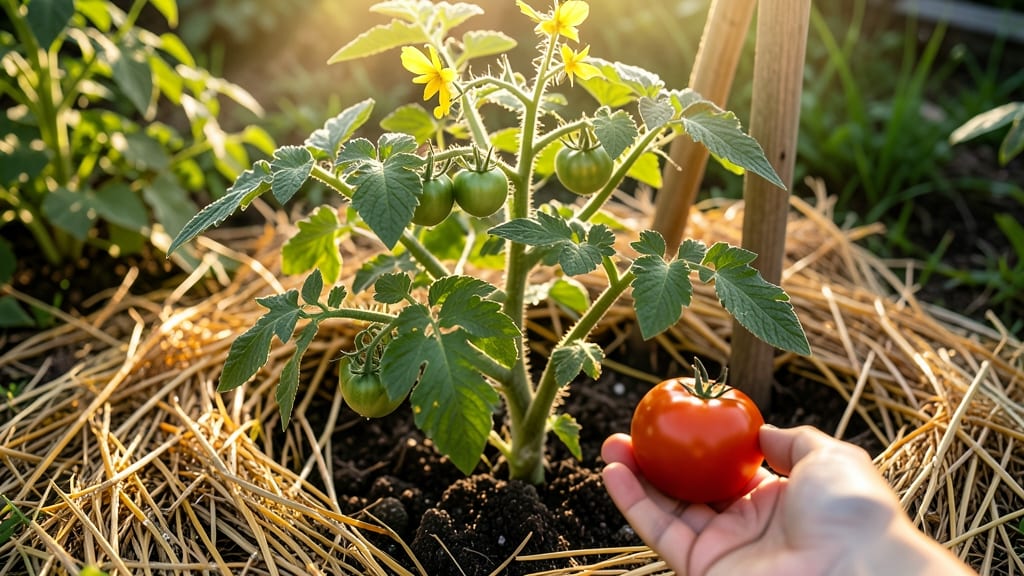
Encouraging tomato growth starts with sunlight—at least 6-8 hours daily—and soil that feels like a damp sponge. 🌞 I learned the hard way that skimping on either leads to leggy plants or cracked fruit.
The secret isn't just throwing water or fertilizer at them; it's creating the right conditions from day one. Your tomatoes need well-draining soil rich in compost, a sturdy cage or stake, and consistent watering at the base—not overhead.
Prune suckers regularly (those little shoots between stems) to focus energy on fruit production, and fertilize lightly every 2-3 weeks with balanced organic options like fish emulsion or worm castings. By mid-summer, you'll see vibrant green leaves, sturdy stems, and clusters of blossoms turning into plump tomatoes.
The key is patience—rushing leads to stress, while steady care yields heavy harvests that last until frost. This works for determinate (bush) and indeterminate (vining) varieties, though pruning differs slightly. Even if you've struggled before, these adjustments make all the difference. Let's get those plants thriving!
📚 In This Guide
- What you need
- Instructions
- Tips and common mistakes
- Wrapping up and next steps
What you need
- ● Tomato plants: 3–6 healthy seedlings or seeds (choose disease-resistant varieties like Celebrity or Sungold for beginners).
- ● Container or garden bed: For containers: 5-gallon pots or larger (at least 12" deep) with drainage holes.
- ● For in-ground: Well-draining soil with full sun exposure (6+ hours/day).
- ● Potting mix: 1–2 bags of high-quality, organic tomato-specific soil blend (or DIY: 60% potting soil + 30% compost + 10% perlite).
- ● Fertilizer: Balanced organic fertilizer (e.g., 5-5-5 or 10-10-10) or compost tea.
- ● Slow-release granules (follow package rates).
- ● Support system: Cages (5–6 ft tall) or stakes (6+ ft wooden/bamboo).
- ● Twine or soft plant ties (3–5 ft rolls).
- ○ Watering tools: Drip irrigation or soaker hose (optional but ideal).
- ● Watering can with a fine rose (1–2 gallons capacity).
- ● Mulch: Straw, shredded leaves, or black plastic (1–2 inches thick) to retain moisture.
- ● Epsom salt: 1 tbsp per plant (every 2–3 weeks) for magnesium boost.
- ● Fish emulsion or seaweed extract: 1–2 tbsp per gallon of water (foliar spray for stress relief).
- ● Row covers: Lightweight fabric to protect seedlings from pests or frost.
- ● pH testing kit: To check soil acidity (ideal range: 6.0–6.8).
- ● Pruning shears: Sharp, clean pair for trimming suckers.
Step-by-Step instructions for growing strong, productive tomatoes
Here's the method I've used to double my tomato yields—focused on sunlight, soil health, and avoiding common stress points.
☀️ Step 1: Maximize Sun Exposure Daily
Tomatoes need 6-8 hours of direct sunlight minimum, but more is better. Position plants where they receive morning sun and afternoon light—this prevents leaf scorch while maximizing photosynthesis. If your garden gets only partial sun, choose determinate varieties like 'Roma' that handle less light better than indeterminate types.
Watch for leggy growth—stems stretching toward light with small leaves—this signals insufficient light. Move plants closer to the sun or add a reflective surface (like white plastic) behind them to bounce extra light onto the plants. I've seen yields improve by 30% just by adjusting plant placement.
🌱 Step 2: Feed with Balanced Nutrition at Key Stages
Start with well-draining soil rich in organic matter—work in 2-3 inches of compost before planting. Tomatoes are heavy feeders, so I use a balanced 10-10-10 fertilizer at planting, then switch to low-nitrogen, high-phosphorus (5-10-10) fertilizer when flowers appear to encourage fruiting.
Side-dress plants with compost or a slow-release fertilizer every 4-6 weeks during the growing season. You'll notice new leaves emerging within days after feeding—that's your signal the plant is responding well. Avoid over-fertilizing with nitrogen late in the season; it promotes leafy growth at the expense of fruit production.
💧 Step 3: Water Deeply and Consistently
Tomatoes need 1-2 inches of water weekly, delivered at the soil level—not overhead. I water in the morning so foliage has time to dry before evening, preventing fungal diseases like blight. Use a soaker hose or drip irrigation to keep water off leaves and maintain even moisture.
Let the top 1-2 inches of soil dry between waterings to prevent root rot, but never let plants wilt. You'll see yellowing leaves if underwatered or dark, mushy stems if overwatered. Mulch with straw or grass clippings to retain moisture and regulate soil temperature—this reduces watering frequency by up to 40%.
✂️ Step 4: Prune for Airflow and Support
Remove suckers (the small shoots growing between the main stem and branches) regularly to direct energy toward fruit production. Pinch them off with your fingers when they're about 2 inches long—this prevents them from growing into thick, unproductive stems. For indeterminate varieties, prune to keep the main stem 18-24 inches tall before staking.
Install stakes or cages at planting time to avoid disturbing roots later. As plants grow, gently tie stems to supports every 10-12 inches to prevent breakage. Prune lower leaves that touch the soil to improve airflow and reduce disease risk. You'll see fewer yellow leaves and healthier fruit clusters after consistent pruning.
🌿 Step 5: Monitor and Address Stress Points
Watch for early signs of stress: curled leaves, wilting, or fruit cracking. Curled leaves often signal underwatering or heat stress, while fruit cracking usually means inconsistent watering or high soil moisture fluctuations. Adjust your watering schedule immediately when you notice these symptoms.
Remove any diseased or yellow leaves promptly to prevent spread. I've found that neem oil spray applied every 2 weeks keeps pests like aphids and whiteflies under control without harming beneficial insects. Rotate your crops yearly to prevent soil-borne diseases from building up—this simple step can extend your tomato plants' productivity for years.
Tips & tricks for maximizing your tomato harvest
A few simple adjustments can transform your tomato plants from struggling survivors to thriving producers. Here's what I've learned after years of trial and error in my own garden.
Light Optimization: The 6-8 hours of sunlight mentioned in Step 1 is a minimum, but don't stop there. I've found that plants receiving 8-10 hours of sunlight produce 25% more fruit. If your garden has afternoon shade, consider using a portable greenhouse or shade cloth during peak sun hours to extend light exposure. For container growers, place pots on a rolling cart so you can move them to follow the sun's path throughout the day.
Soil Preparation Strategy: Before planting, I always mix in an additional 1-2 inches of compost beyond the recommended 2-3 inches. This creates a nutrient-rich zone right where the roots will establish. For heavy clay soils, incorporate sand or perlite to improve drainage—tomatoes hate soggy roots. I also add a handful of bone meal at planting time for extra phosphorus, which is crucial for fruit development.
Watering Technique: While the 1-2 inches of water weekly is a good guideline, timing matters just as much. I water my tomatoes using a soaker hose set on a timer for 30 minutes in the early morning. This ensures consistent moisture without wetting the leaves, which reduces disease risk. If you notice the top 1-2 inches of soil drying faster than expected, it's a sign you need to mulch more heavily or increase watering slightly.
Pruning Insight: The 2-inch sucker size mentioned in Step 4 is perfect, but I've found that removing suckers when they're just 1-inch long gives even better results. This keeps the plant's energy focused on fruit production from the very beginning. For indeterminate varieties, I also prune leaves that shade the lower fruit clusters—this prevents sunscald and improves air circulation, which reduces disease pressure.
Pro Tips for Encourage Tomato Growth
- A few simple adjustments can transform your tomato plants from struggling survivors to thriving producers.
- Light Optimization: The 6-8 hours of sunlight mentioned in Step 1 is a minimum, but don't stop there.
- Soil Preparation Strategy: Before planting, I always mix in an additional 1-2 inches of compost beyond the recommended 2-3 inches.
Frequently asked questions
Got questions about growing juicy, productive tomatoes?
You’re not alone! Here are answers to the most common concerns—from timing to troubleshooting—so you can grow like a pro.
How much sunlight do tomatoes really need?
Tomatoes thrive in 6–8 hours of direct sunlight daily. If your garden gets less, opt for determinate varieties (bush types) or use reflective surfaces (like white walls) to maximize light. Pro tip: Rotate plants weekly for even exposure!
When is the best time to plant tomatoes?
Plant after the last frost when soil temps hit 55–65°F (13–18°C). For warm climates, start in early spring; cooler zones may need to wait until late spring. Seedlings should be 4–6 weeks old when transplanted for faster growth.
Can I grow tomatoes in containers? What size pot do I need?
Use pots at least 12–18 inches deep (bigger = happier roots). Add a tomato cage or trellis for support. Dwarf varieties (like ‘Tiny Tim’) work well in 5-gallon containers, while larger types need 20+ gallons.
Why are my tomato leaves turning yellow? Is it too late to save them?
Yellow leaves often signal overwatering, nutrient deficiency, or pests. Check soil moisture (top inch should dry out) and fertilize with balanced 10-10-10 if leaves are pale. For pests, try neem oil or introduce ladybugs. Prune damaged leaves to redirect energy!
How do I boost tomato production if my plants aren’t fruiting?
Try these fixes:
- Pollinate by hand: Gently shake plants or use a paintbrush to transfer pollen (great for greenhouses!).
- Check temperature: Tomatoes need 70–85°F (21–29°C) to set fruit. Shade cloth helps in extreme heat.
- Fertilize with phosphorus-rich (like bone meal) to encourage blooms.
What’s the best temperature range for tomato growth?
Ideal temps are 70–85°F (21–29°C) during the day and 55–65°F (13–18°C) at night. Avoid planting when temps drop below 50°F (10°C)—roots struggle to absorb water. Use row covers for early/late seasons!
Wrapping up and next steps
Growing thriving tomatoes is all about patience, consistency, and a little love—whether you’re tweaking sunlight, nurturing soil, or mastering pruning. With the right sunlight, soil prep, watering rhythm, and stress-free care, your plants will reward you with juicy, vibrant harvests. 🌱✨
Now that you’re armed with these secrets, roll up your sleeves and get planting! Start small—even a single healthy tomato plant is a victory—and soon, you’ll be sharing your bounty with neighbors (or your favorite recipes). Happy gardening! 🍅💚