
How To
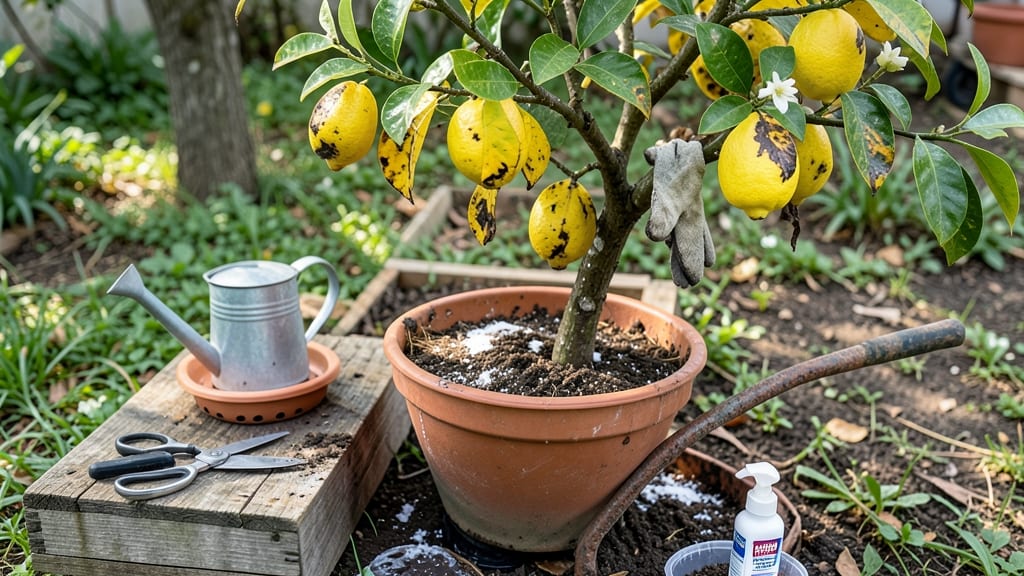
How to fix an overwatered lemon tree—your drooping leaves aren’t a death sentence, just a cry for help. 🌱 Overwatering smothers roots faster than you think, but with the right moves, you can revive it without losing next year’s fruit. The key? Stopping the damage now and giving roots room to breathe.
Start by checking the soil—if it’s soggy two inches down, you’ve been overdoing it. Drainage is everything: repot into a container with holes or add perlite to heavy soil.
Prune yellowed leaves to redirect energy, and water only when the top inch feels dry. Patience is critical—roots need weeks to recover.
Within 4-6 weeks, you’ll see new green growth as roots regenerate. The tree might skip fruiting this season, but with consistent care, it’ll bounce back stronger. Think of this as a reset button for your citrus tree’s health.
Pro tip: Move your tree to a brighter spot (lemon trees need 6+ hours of sun) and monitor soil moisture with a moisture meter. Prevention is easier than cleanup—once roots heal, you’ll spot the signs of overwatering before they become a crisis.
Root Causes Of Overwatering
Overwatering your lemon tree isn’t just about giving it too much love—it’s a science-based problem rooted in soil dynamics, plant biology, and even environmental factors. Understanding these causes is the first step to saving your citrus friend.
Let’s break down the real culprits behind soggy roots and what’s happening beneath the soil surface.
Lemon trees (Citrus × limon) are native to well-drained, rocky Mediterranean soils, not waterlogged backyards. When drainage fails, excess water pools around roots, cutting off oxygen—a silent killer for citrus. Here’s why it happens:
- Compacted or Clay Soil 🏗️ Heavy, dense soils (like clay) act like a sponge, holding water instead of letting it drain.
Even if you water less, the soil retains moisture for days, suffocating roots. - Actionable fix: Test your soil’s drainage by digging a 6-inch hole, filling it with water, and timing how long it takes to drain.
If it’s slower than 4 hours, amend with perlite, coarse sand, or pumice (20-30% of soil volume).
- Lack of Slope or Raised Beds 🌊 Flat planting areas or containers without drainage holes trap water.
Lemon trees in pots are especially vulnerable—water sits at the bottom, promoting root rot (Phytophthora fungi). - Actionable fix: Elevate pots on feet or saucers with drainage holes, or plant in raised beds with a 5% slope to encourage runoff.
- Overzealous Mulching 🌿 Thick mulch (over 3 inches) can block water evaporation, keeping soil damp longer than roots need.
While mulch insulates roots, too much = a moisture prison. - Actionable fix: Use 2-3 inches of organic mulch (straw, wood chips) and keep it 2 inches away from the trunk to prevent fungal growth.
Even with good drainage, human error is the #1 cause of overwatering. Lemon trees are drought-tolerant once established—they’d rather thirst than drown. Common mistakes include:
- Watering on a Schedule ⏰ Rigid routines (e.g., "every Tuesday") ignore weather, season, and soil moisture. A sudden rainstorm or cool snap can leave roots waterlogged for days. - Actionable fix: Check soil moisture first—stick your finger 2 inches deep.
If it’s damp, wait. Use a moisture meter for accuracy.
- Ignoring Seasonal Needs 🍂 Lemon trees go dormant in winter (especially in colder climates) and need far less water. Overwatering in winter stresses roots, making them vulnerable to rot. - Actionable fix: Reduce watering by 50% in winter and 70% in rainy seasons.
Adjust for humidity—dry air = more evaporation = less frequent watering.
- Using the Wrong Water Amount 📏 A quick "sprinkle" from a hose or small pot doesn’t penetrate deep enough.
Lemon trees need deep, infrequent watering to encourage strong root growth. - Actionable fix: Water slowly and deeply (10-15 minutes for pots, 1-2 inches of soil saturation for in-ground trees) until water runs out the drainage holes.
Not all overwatering is your fault—environmental factors can trick you into thinking your tree needs more H₂O than it does.
- High Humidity or Rain ☔ Humid air reduces evaporation, making soil stay wet longer. If you’re watering on a humid day (60%+ humidity), roots may suffocate before the soil dries. - Actionable fix: Skip watering if rain is forecasted.
Use a weather app to track humidity—aim for <50% humidity before watering.
- Cold or Windy Conditions ❄️ Cold air slows root activity, while wind increases evaporation from leaves (tricking you into overwatering). Roots in chilly soil (<60°F) can’t absorb water efficiently, leading to buildup. - Actionable fix: Reduce watering by 30% in windy or cold spells.
Group plants together to break wind and use row covers in frost-prone areas.
- Container Size Mismatch 🏺 Small pots dry out faster, tempting you to water more often. But frequent shallow watering keeps roots clustered near the surface, where they’re prone to rot. - Actionable fix: Upgrade to a pot 2-3 inches larger in diameter every 2 years.
Use self-watering pots with reservoir systems to regulate moisture.
Sometimes, root invaders or infections force you to overcompensate with water, thinking the tree is thirsty when it’s actually stressed by damage.
- Root-Knot Nematodes 🪰 These microscopic worms block water uptake by damaging roots. Infected trees may wilt despite wet soil—a classic sign of false thirst. - Actionable fix: Test soil for nematodes (send a sample to a local extension office).
Treat with neem oil or beneficial nematodes (Steinernema feltiae).
- Fungal Infections (e.g., Pythium, Fusarium) 🍄 Fungi thrive in waterlogged soil, clogging root cells and causing rot.
Yellow leaves + mushy roots = a fungal party in your pot. - Actionable fix: Stop watering immediately and apply copper fungicide or baking soda spray (1 tbsp baking soda + 1 quart water + few drops of soap). Repot in sterilized soil if severe.
- Bacterial Soft Rot 🦠 Bacteria (Erwinia spp.) enter through wounds (like overwatered stress) and turn roots into a slimy mess. Smells like rotten eggs?
That’s your answer. - Actionable fix: Prune infected roots, treat with hydrogen peroxide (3%), and disinfect tools with rubbing alcohol. Avoid watering until soil is dry.
Soil isn’t just about water—pH and nutrient levels play a huge role in how roots handle moisture.
- Wrong pH (Too Acidic or Alkaline) 📉📈 Lemon trees prefer slightly acidic soil (pH 6.0-7.0). Outside this range, roots can’t absorb water efficiently, leading to overwatering as a compensatory measure. - Actionable fix: Test soil pH with a home kit or lab test.
Adjust with: - Lime (to raise pH) for acidic soil. - Sulfur or peat moss (to lower pH) for alkaline soil.
- Salinity Buildup 🧂 Over-fertilizing or using hard tap water (high in minerals) leaves salt deposits in soil.
Salty soil repels water, making roots think they’re dry when they’re actually dehydrated by salt stress. - Actionable fix: Flush soil with distilled or rainwater (run water through the pot until it exits clean). Use osmocote fertilizer (slow-release) to avoid salt spikes.
- Nitrogen Overload 💥 Too much nitrogen (from fertilizers) burns roots, reducing their ability to process water.
Leaves may turn yellow (chlorosis) while roots rot. - Actionable fix: Switch to a balanced citrus fertilizer (6-6-6 or 8-3-9) and flush soil every 3 months with water to leach excess nutrients.
Overwatering is rarely just about "too much water"—it’s a cascade of avoidable mistakes tied to soil, habits, and hidden stressors. The good news? Most causes have simple fixes (better drainage, smarter watering, soil tests).
Start by diagnosing the root issue (pun intended), and your lemon tree will bounce back faster than you think. 🍋✨
Revive Your Lemon Tree Now
An overwatered lemon tree can feel like a lost cause—but it’s not! With the right steps, you can nurse it back to health while keeping those sweet citrus rewards in sight.
Below, we’ll match common overwatering symptoms to proven fixes, plus tips to keep your tree thriving long-term. Let’s dig in!
If your lemon tree’s leaves are turning yellow (especially older ones) or wilting despite damp soil, root rot may be setting in. Act fast:
- 🔥 Stop Watering Immediately Let the soil dry out completely—this prevents further rot. Stick your finger 2 inches into the soil; if it’s soggy, wait another 2–3 days before checking again.
- 🍳 Repot in Fresh, Well-Draining Soil
Gently remove the tree from its pot (if possible) and inspect the roots. Trim any black, mushy, or foul-smelling roots with sterilized scissors. Repot in a container with:
- 50% cactus/succulent mix (for aeration)
- 30% perlite or pumice (to prevent compaction)
- 20% compost (for nutrients)
- 👨🍳 Adjust Your Watering Routine Lemon trees hate soggy feet. Water only when the top 3–4 inches of soil are bone-dry. In summer, this might mean watering every 7–10 days; in winter, stretch it to every 2–3 weeks. Test it: 🌡️ Weigh the pot before watering. When it’s 20% lighter than when fully saturated, it’s time to water again.
- ⏰ Monitor for 4–6 Weeks Keep the tree in bright, indirect light (no harsh sun yet) and avoid fertilizing until new growth appears. Yellow leaves may drop—this is normal as the tree recovers.
If stems feel mushy or the tree collapses when touched, root rot has likely spread. Time for drastic (but effective) action:
- 🔪 Prune Aggressively
Cut back all yellow, black, or dying leaves and stems with clean pruners. Focus on:
- Leaves with brown edges (fungal infection)
- Branches with oozing sap (advanced rot)
- 🌡️ Treat with Fungicide (Optional but Helpful) Mix 1 tsp hydrogen peroxide (3%) per quart of water and lightly spray the roots and soil. For severe cases, use a copper-based fungicide (follow label instructions).
- 🏡 Move to a New Pot with Sterile Soil Use a clean pot (sterilize with bleach if reusing) and fresh potting mix. Add a handful of sand or gravel at the bottom for extra drainage.
- 🌱 Root in a Recovery Zone Place the tree in a shady spot (e.g., under a sheer curtain) for 2–3 weeks to reduce stress. Gradually reintroduce sunlight over 10 days.
Curled or crispy-edged leaves often signal overwatering + nutrient imbalance. Here’s how to correct it:
- 🌿 Fluff the Soil Gently Use a chopstick or small fork to loosen compacted soil around the roots. This helps air circulation and prevents future waterlogging.
- 🍽️ Feed Lightly (But Wisely) Wait 4–6 weeks after repotting before fertilizing. Then, use a balanced citrus fertilizer (6-6-6 or 10-10-10) diluted to half-strength. Apply every 6–8 weeks in growing season (spring–fall).
- ☀️ Optimize Light Exposure Lemon trees need 6+ hours of sunlight daily. If yours is in low light, move it closer to a south- or west-facing window. Avoid sudden light changes—acclimate it over 1 week.
- 💧 Water Deeply but Infrequently When watering, soak the soil until water drains from the bottom. Empty the saucer 30 minutes later to prevent salt buildup.
Once your lemon tree is back on track, lock in these habits to avoid future overwatering:
- 📊 Use the Finger Test Always check soil moisture before watering. If the top 2–3 inches feel damp, wait.
- 🏺 Choose the Right Pot Terracotta pots dry faster than plastic. If using plastic, add extra perlite to the mix.
- 🌧️ Adjust for Humidity and Season
Season Watering Frequency Notes Spring/Fall Every 5–7 days Active growth = more frequent watering. Summer Every 3–5 days High heat = faster evaporation. Water early in the morning. Winter Every 10–14 days Dormant phase = minimal water. Reduce fertilizer too. - ✨ Mulch (But Not Too Much) Add a 1-inch layer of mulch (like straw or bark) around the base to retain moisture—but keep it 2 inches away from the trunk to prevent rot.
- 🔍 Watch for Pests Overwatered trees attract fungus gnats and aphids. If you see tiny flies or sticky residue on leaves, treat with neem oil or insecticidal soap.
With patience and these adjustments, your lemon tree will bounce back—and next season, you’ll be harvesting juicy, homegrown lemons! 🍋✨
Frequently asked questions
How do I know if my lemon tree is overwatered vs. underwatered?
Check the soil first—if it's soggy 2+ inches deep, you're overwatering. Look for yellowing leaves (especially older ones), wilting despite wet soil, or roots that smell foul. Underwatered trees have crispy brown edges and dry soil all the way down. The key difference? Overwatered trees can't absorb nutrients even with damp soil.
Can I save a lemon tree with root rot?
Yes, but act fast! Trim all black/mushy roots, repot in fresh well-draining mix (50% cactus soil + 30% perlite), and stop watering until the soil dries completely. Keep it in bright, indirect light for 4-6 weeks while roots recover. Severe cases may need fungicide like hydrogen peroxide (1 tsp per quart of water).
Why does my lemon tree keep getting overwatered even when I'm careful?
Common culprits: clay soil (holds water like a sponge), plastic pots (traps moisture), or mulch piled too thick. Fix it by amending soil with perlite, upgrading to terracotta pots, and using only 1-2 inches of mulch (2" from trunk). Also check your watering routine—lemon trees prefer deep, infrequent watering over frequent light drinks.
Will my lemon tree produce fruit after recovering from overwatering?
Possibly, but not immediately. Focus first on root recovery (4-6 weeks) before expecting fruit. Healthy trees need 6+ hours of sun and balanced nutrients to fruit. You might see lemons next season if the tree's established—just don't fertilize until new growth appears (wait 4-6 weeks after repotting). Patience is key!
How often should I water my lemon tree after fixing overwatering?
Wait until the top 3-4 inches of soil are completely dry—stick your finger in to check. In summer, this might be every 7-10 days; winter needs even less (every 2-3 weeks). Weigh the pot before watering: when it's 20% lighter than when fully saturated, it's time. Always empty saucers 30 minutes after watering to prevent salt buildup.