
How To
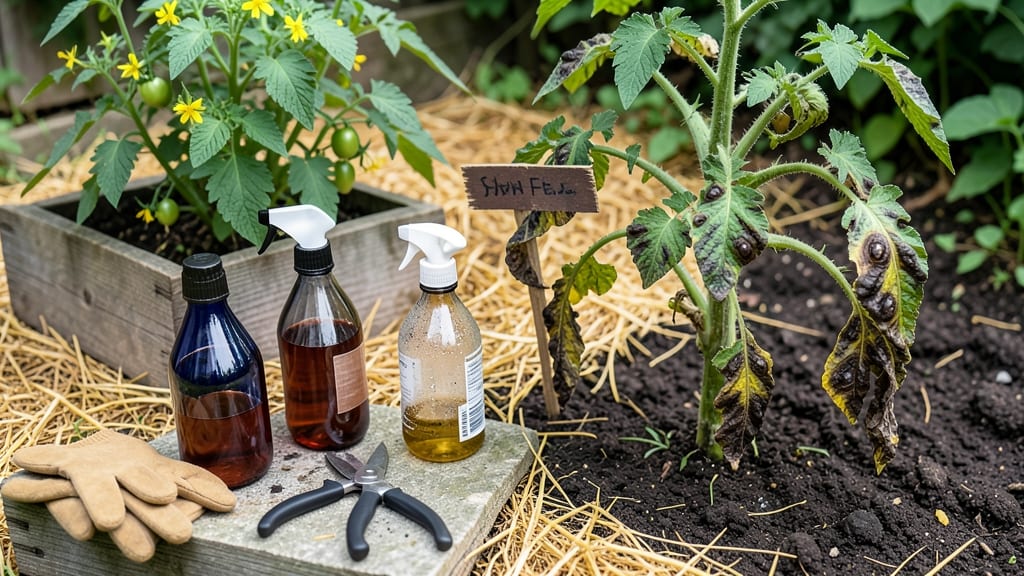
How to fix tomato blight with boiling water turns lush vines into crispy wrecks in days. 🌱 I’ve lost entire harvests to that telltale brown rot—until I discovered boiling water’s secret weapon against fungal spores hiding in soil. It’s not just prevention; it’s a quick fix when you spot the first ugly spots.
The problem starts with spores lurking in damp soil or infected plant debris. Heavy watering, crowded plants, or last year’s leftover stems create the perfect breeding ground. Most fungicides treat symptoms, but boiling water kills spores on contact—no chemicals needed.
The key is timing: act at the first sign of yellowing leaves or dark patches, before the disease spreads.
You’ll see results within 24 hours—fresh green growth where blight once crept. The method works for early blight, late blight, and even bacterial spots. Plus, it’s safer for kids and pets than chemical sprays. No more tossing plants or watching your tomatoes rot on the vine.
Best part? This fix works alongside other defenses—like copper sprays or resistant varieties—so you’re not playing catch-up. Early intervention means bigger harvests and fewer headaches. Let’s get those tomatoes fighting back.
The Hidden Triggers Behind Tomato Blight
Tomato blight isn’t just a random attack—it’s the result of specific conditions that create the perfect storm for fungal spores to take over. Understanding these triggers is the first step to stopping the spread.
Below, we break down the key causes of tomato blight, from environmental factors to gardening habits that invite disaster.
Blight thrives in wet conditions, especially when leaves stay damp for long periods. The fungus Phytophthora infestans (the culprit behind late blight) and Alternaria solani (early blight) both require moisture to germinate and spread. Here’s how it happens:
- Overhead watering: Splashing water onto leaves (instead of the soil) creates a film that spores latch onto, allowing them to infect plants within 24–48 hours.
- Poor soil drainage: Waterlogged soil keeps roots and lower stems damp, giving spores a foothold. Sandy or rocky soils worsen the problem by preventing excess water from draining.
- Humidity spikes: Blight spreads fastest in 75–90% humidity, common in greenhouses, shaded gardens, or after heavy rain without airflow.
Actionable insight: Aim for 1–1.5 inches of water per week (from rain or irrigation) and water early in the day so foliage dries by evening. Use drip irrigation or soaker hoses to avoid wetting leaves.
Blight spores are dormant in cool weather but explode in activity when temperatures rise—especially if nights stay warm. The ideal blight-friendly range is:
| Daytime Temp | Nighttime Temp | Blight Risk |
|---|---|---|
| 60–80°F (15–27°C) | 50–60°F (10–15°C) | Moderate (spores survive but spread slowly) |
| 70–85°F (21–29°C) | 60–70°F (15–21°C) | High (spores germinate rapidly) |
| Above 90°F (32°C) | Above 70°F (21°C) | Extreme (spores multiply aggressively) |
Why? Warm nights prevent dew from evaporating, keeping leaves constantly moist. Sudden temperature drops (like a cold front after a heatwave) can also shock plants, weakening their defenses.
Pro tip: Plant tomatoes in late spring or early summer (after the last frost) to avoid early-season blight. Use mulch (straw or grass clippings) to stabilize soil temperature and reduce moisture loss.
Blight spreads like wildfire in dense, stagnant air. When tomato plants are packed too closely together, several problems arise:
- Reduced airflow: Spores hitch rides on wind or splashing water, but they can’t disperse in open spaces. Crowded plants trap humidity and create a blight incubator.
- Shaded foliage: Leaves in the center of thick plantings dry slower, staying damp longer. Blight loves this environment.
- Stress from competition: Overcrowded plants compete for nutrients, weakening their immune response and making them 3x more susceptible to infection.
Rule of thumb: Space tomato plants 18–24 inches apart (or 36 inches for indeterminate varieties). Prune suckers and lower leaves to improve airflow—aim for no more than 6–12 inches between leaves.
Blight spores linger in the soil for years, waiting for the right conditions to strike. Here’s how they sneak back into your garden:
- Infected plant debris: Leaving behind blighted leaves, stems, or fruit means spores survive the winter and reinfect next season’s plants.
- Contaminated compost: If you composted blighted tomatoes, the spores may still be viable. Never compost infected plant material—burn or trash it instead.
- Previous blight outbreaks: Spores can persist in soil for 3–5 years, especially in cool, moist climates. Rotating crops isn’t enough—you need to break the cycle.
Solution: Before planting, solarize the soil (cover it with clear plastic for 4–6 weeks in summer) to kill spores. Add composted manure or aged compost to improve soil health and outcompete pathogens.
Now that you know the root causes of tomato blight, the next step is stopping it in its tracks—starting with a boiling water barrier that smothers spores before they spread. Stay tuned!
Quick Fixes for Tomato Blight
Tomato blight doesn’t have to mean the end of your garden—with the right approach, you can smother spores, stop the spread, and save your plants in minutes. Below are practical, step-by-step solutions tailored to the most common causes of blight, from fungal infections to environmental triggers.
Plus, we’ll share prevention tips to keep your tomatoes thriving season after season.
The key to beating blight is catching it early. If you spot dark, greasy spots on leaves (early blight) or brown, mushy patches on fruit (late blight), act immediately:
- Remove infected foliage – Snip off affected leaves and stems at the base (don’t just pull them—the spores can cling to your hands). Drop them in a sealed plastic bag and toss them in the trash (not the compost!).
- Isolate infected plants – Move them at least 10 feet away from healthy tomatoes to prevent spore drift.
- Disinfect tools – Wipe pruners and shears with 70% rubbing alcohol or a 10% bleach solution (1 part bleach to 9 parts water) between cuts.
> 💡 Pro Tip: Check the undersides of leaves—blight spores love hiding there! A quick flashlight scan can reveal early signs before they spread.
Blight thrives in moist, warm conditions, so heat is your secret weapon. Here’s how to boil blight away (literally):
🔥 Boiling Water Barrier (Best for Early/Late Blight)
- Wait for a dry, calm day – Wind or rain will spread spores.
- Boil 2-3 gallons of water – Fill a large watering can or kettle.
- Add 1 tbsp dish soap – Lowers surface tension so water clings better.
- Pour boiling water along the soil line (where stems meet the ground) and under infected leaves.
- Repeat every 3-5 days – This kills spores on contact and disrupts the fungus’s life cycle.
> ✨ Why It Works: Boiling water instantly kills fungal spores (they can’t survive above 140°F). The soap helps break down the waxy coating on leaves, making spores more vulnerable.
🍳 Copper Fungicide Spray (For Severe Cases)
If blight is spreading fast, copper-based sprays (like Bordeaux mixture or copper sulfate) can help: 1. Mix 1 tbsp copper fungicide per gallon of water.
- Spray both sides of leaves and the soil around plants.
- Reapply every 7-10 days or after rain.
> 🔥 Warning: Avoid spraying directly on flowers or fruit—copper can leave a metallic taste. Apply in the early morning or late evening to avoid leaf burn.
Blight loves humidity and poor airflow. Adjust your garden’s conditions to starve the fungus:
🌬️ Improve Air Circulation
- Space plants 18-24 inches apart (crowding = blight paradise).
- Prune lower leaves to allow sunlight and airflow to reach the fruit and upper foliage.
- Use tomato cages or stakes to keep plants upright (not sprawling on damp soil).
💦 Water Wisely
- Water at the base (not overhead) to keep leaves dry.
- Water in the morning so foliage has time to dry before nightfall.
- Avoid late-night watering—cool, damp evenings = blight buffet.
> 🎯 Prevention Hack: Install a drip irrigation system—it delivers water directly to roots, reducing leaf wetness by up to 70%.
Fungal spores overwinter in soil, so disrupt their habitat:
🔪 Remove Old Debris
- Clean up all plant debris after harvest (including fallen leaves and stems).
- Solarize the soil (if possible): Cover beds with clear plastic for 4-6 weeks in summer to bake out spores.
🍂 Use the Right Mulch
- Avoid organic mulch (like straw or grass clippings) if blight is present—it traps moisture.
- Switch to gravel or black plastic mulch to reduce soil moisture and reflect sunlight (which inhibits fungal growth).
> 💡 Organic Option: If you prefer natural mulch, use straw only after the blight risk has passed (late summer).
Once you’ve stopped the blight, keep it from returning:
- Rotate crops – Don’t plant tomatoes (or potatoes/peppers, which share diseases) in the same spot for 3 years.
- Choose resistant varieties – Look for ‘Mountain Merit’, ‘Defiant PhR’, or ‘Bush Early Girl’ (all bred for blight resistance).
- Strengthen plants naturally – Feed with compost tea or fish emulsion to boost plant immunity.
- Monitor weather forecasts – Blight spreads faster in humid, rainy seasons. Plan preventive sprays (like neem oil) before storms.
> 🌟 Golden Rule: Healthy plants fight blight better! Ensure your tomatoes get 6-8 hours of sun, balanced fertilizer (high in potassium), and regular pruning to reduce stress.
Final Thought: Blight may be a tenacious foe, but with heat, airflow, and smart prevention, you can outsmart it every time.
Start with boiling water barriers, adjust your watering habits, and keep your garden dry and breezy—your tomatoes will thank you with juicy, blight-free harvests! 🍅🔥
Frequently asked questions
Can I use boiling water on my tomato plants if it's windy?
Never use boiling water on windy days—spores can travel with the breeze and infect other plants. Wait for a calm, dry day with no rain forecasted for at least 24 hours. The heat needs to stay concentrated on the spores, not spread unpredictably. Aim for early morning applications so any residual moisture evaporates by evening.
How often should I apply the boiling water treatment?
Apply boiling water every 3-5 days until you see new, healthy growth. For severe infections, you may need to treat twice weekly for the first two weeks. After that, reduce to weekly maintenance during humid conditions. Always follow with proper airflow and watering adjustments to maximize effectiveness.
Will boiling water harm my tomato plants?
No, when applied correctly, boiling water is safe for tomato plants. The key is to pour it along the soil line and under infected leaves—never directly on healthy foliage. The 1 tablespoon of dish soap helps the water cling without damaging plant tissue. Just avoid treating flowers or fruit, as the heat could cause minor scorching in sensitive areas.
Can I use vinegar instead of dish soap with boiling water?
Not recommended. While vinegar has antifungal properties, it's too acidic and can burn plant tissue when mixed with boiling water. Dish soap is the safest option because it lowers surface tension without harming plants. If you prefer natural alternatives, try adding 1 teaspoon of baking soda instead—it helps neutralize acidity while still allowing the water to cling effectively.
What should I do if my tomatoes already have blighted fruit?
Remove all blighted fruit immediately—don't compost it! The spores can survive on infected produce. For the remaining healthy fruit, harvest and store them indoors where they won't be exposed to spores. Focus your treatments on the plant's foliage and soil line. If the blight is severe, you may need to prune back the entire plant to encourage new, disease-free growth from the base.