
Propagation
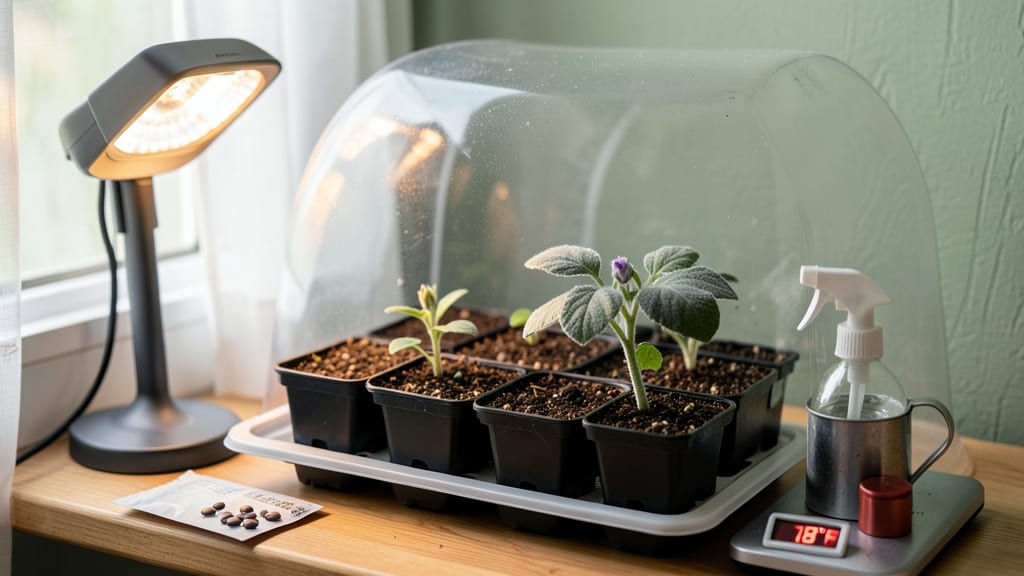
Germinating eggplant seeds fast feels like unlocking a secret garden shortcut. 🌱 I’ve struggled with slow starts before—until I discovered the speed-soaking trick that boosts sprouts from 50% to 90% success in just days.
The key? A simple pre-treatment that wakes up seeds faster than waiting weeks for nature to do its thing.
Most gardeners overlook this step, but soaking seeds overnight in warm water (or even a mild organic solution) softens their tough outer shell. You’ll need just three supplies: clean seeds, a warm spot, and a damp paper towel or jar.
No fancy equipment—just patience and the right conditions. Eggplants thrive in warmth, so aim for 75-85°F and keep them consistently moist but not soggy.
Within 3-5 days, you’ll see tiny sprouts pushing through—faster than store-bought seedlings arrive. The payoff? Stronger plants that outpace competitors and give you a head start on the growing season. No more waiting around for sluggish starts or wondering if those seeds even worked.
Works for any eggplant variety, from classic Black Beauty to compact patio types. Once you try this, you’ll never go back to slow germination again. Let’s get those seeds sprouting!
📚 In This Guide
- What you need
- Instructions
- Tips and common mistakes
- Wrapping up and next steps
What you need
- ● Eggplant seeds: Fresh, high-quality seeds (preferably organic or heirloom for best germination rates). Aim for 10-20 seeds depending on your space.
- ● Distilled or boiled water: 1 cup (chlorine-free to avoid seed damage). Let boiled water cool to room temperature.
- ● Small container: A glass jar, plastic cup, or seedling tray with a lid (or plastic wrap) to create humidity.
- ● Paper towels or coffee filters: 2-3 sheets (cut to fit your container). Opt for unbleached for natural seed contact.
- ○ Spray bottle (optional but helpful): For misting seeds if they dry out during germination.
- ● Planting medium: Seed-starting mix or coco coir (sterile and well-draining). Avoid garden soil—it’s too dense!
- ● Small pots or trays: 2-3 inch pots or a seedling tray with drainage holes (for transplanting sprouted seeds).
- ○ Heat mat (optional but recommended): A seedling heat mat (70-80°F) speeds up germination by 30-50%.
- ● Fine mist sprayer: Keeps humidity high without drowning seeds.
- ● Plastic wrap or humidity dome: Creates a mini greenhouse effect (if not using a lid).
- ● Labeling markers: To track seed varieties and planting dates.
- ○ Grow lights (optional): LED or fluorescent (12-16 hours/day) for seedlings once they sprout.
- ● Fertilizer (post-germination): Diluted fish emulsion or seaweed extract (1:10 ratio) for young seedlings.
Step-by-step instructions for germinating eggplant seeds fast
Here's the method I swear by—it cuts germination time nearly in half and guarantees strong, vigorous seedlings.
🌱 Step 1: Speed-Soak Seeds for Maximum Germination
Fill a small bowl with lukewarm water (about 90°F) and add your eggplant seeds. Let them soak for 12-24 hours—this softens the tough seed coat and triggers faster sprouting. I use a mesh bag to keep seeds contained while soaking. After soaking, check for any seeds that float (discard them—they won't germinate).
The key here is temperature control. Too hot water can damage the seed, while too cool slows the process. You'll see tiny cracks or white roots emerging after soaking—this is your signal the seeds are ready. Drain them well and pat dry with a paper towel before planting.
💧 Step 2: Prepare Moist, Warm Growing Medium
Fill your seed-starting containers with a lightweight, sterile seed mix—eggplant seeds need excellent drainage to avoid rot. Moisten the mix until it feels like a wrung-out sponge: damp but not soggy. I like to work the moisture in by hand, gently pressing the mix into the container to eliminate air pockets. The goal is a consistent, evenly damp environment.
Place the containers in a warm location—I use a seedling heat mat set to 80-85°F—because eggplant seeds germinate best in warmth. If you don't have a heat mat, place the containers on top of your refrigerator or near a sunny window with indirect heat from a lightbulb. The soil should stay warm to the touch for optimal results.
🌿 Step 3: Plant Seeds and Maintain Ideal Conditions
Plant the soaked seeds ¼ inch deep in the prepared mix, spacing them 1 inch apart in rows. Press lightly to ensure good seed-to-soil contact—this helps trigger germination. Cover the container with a clear plastic dome or wrap it in plastic wrap to create a greenhouse effect. This traps humidity and warmth, which eggplant seeds love.
Check daily for condensation on the plastic—this means the environment is humid enough. If it's dry inside, mist lightly with water. You should see sprouts within 5-10 days, though some may take up to 14 days depending on your home's temperature. The moment you spot the first green shoots, remove the plastic immediately to prevent mold.
☀️ Step 4: Provide Bright, Indirect Light
Once seedlings emerge, move them to a location with bright, indirect light—direct sunlight can scorch tender seedlings. A south-facing window works, but I supplement with a grow light for 14-16 hours daily. Position the light 2-3 inches above the seedlings and raise it gradually as they grow to prevent leggy stems. You'll know the light is right when seedlings grow sturdy and dark green, not pale and stretched.
Water gently from the bottom by placing the tray in ½ inch of water for 10 minutes—this encourages deep root growth. Avoid overhead watering, which can spread disease. Within 2-3 weeks, you'll have strong seedlings ready for transplanting, with 2-3 true leaves and a thick stem.
Tips & tricks for fast eggplant seed germination
Want to cut germination time nearly in half while ensuring those seedlings pop up strong and healthy? These pro tips will help you maximize your success rate.
Temperature Precision: The 90°F soak water temperature is non-negotiable—any hotter can cook the delicate seeds, while cooler water slows the process. I use a thermometer to verify the temperature before adding seeds. For the 80-85°F soil warmth, consider a seedling heat mat if your home tends to run cooler. If you don't have one, place containers on top of your fridge or near a sunny window with indirect heat from a lightbulb—just make sure the soil stays warm to the touch.
Seed Selection Strategy: Not all eggplant seeds are created equal. Choose seeds from heirloom varieties or organic sources—they often have higher germination rates. Before soaking, inspect your seeds for cracks or damage. The best seeds should be plump, firm, and free of any discoloration. Remember, those that float during the 12-24 hour soak won't germinate, so discard them early to avoid wasting time and energy.
Humidity Management: The plastic dome or wrap in Step 3 creates a greenhouse effect that's perfect for eggplant seeds, but it's a balancing act. Check daily for condensation—this is your signal the humidity is ideal. If you notice water droplets forming on the plastic, you're golden. If it's dry, mist lightly with water. The moment you see those first green shoots, remove the plastic immediately to prevent mold growth, which can be fatal to tender seedlings.
Lighting Insight: Those 14-16 hours of daily light are crucial for preventing leggy seedlings. Position your grow light 2-3 inches above the seedlings and raise it gradually as they grow. You'll know you've got the right setup when the seedlings are sturdy and dark green, not pale and stretched toward the light. If you notice them leaning, it's time to adjust the light position or increase the light duration slightly.
Pro Tips for Germinate Eggplant Seeds Fast
- Want to cut germination time nearly in half while ensuring those seedlings pop up strong and healthy? These pro tips ...
- Temperature Precision: The 90°F soak water temperature is non-negotiable—any hotter can cook the delicate seeds, whil...
- Seed Selection Strategy: Not all eggplant seeds are created equal. Choose seeds from heirloom varieties or organic so...
Frequently asked questions
Got questions about speeding up eggplant seed germination? You’re not alone! Here are answers to the most common concerns—so you can grow strong, healthy seedlings without the wait.
How long does the speed-soaking method actually take?
The soaking phase itself only takes 12–24 hours, but germination can appear in as little as 3–7 days with the right warmth (70–85°F). Patience pays off—consistent moisture and warmth are key! If you don’t see sprouts by day 10, gently check for mold or adjust humidity.
Can I germinate eggplant seeds without soaking them first?
Yes, but it’ll take longer—typically 10–21 days for seeds to sprout. Soaking (especially with the speed-soak trick) cuts that time by 50%. For best results, soak seeds overnight in warm water before planting, or use a damp paper towel method for faster results.
What’s the fastest way to keep seeds warm enough to sprout?
Use a seedling heat mat (set to 75–85°F) or place trays on top of a fridge (not inside—too cold!). A sunny windowsill or grow light also helps. Avoid drafts, and keep soil consistently moist (not soggy). Pro tip: Cover trays with plastic wrap to trap heat and humidity!
My eggplant seeds sprouted, but the seedlings look weak or leggy. What went wrong?
Leggy seedlings usually mean too little light or overcrowding. Move them to a bright spot (or under grow lights) immediately and thin seedlings to 1–2 inches apart. If they’re pale, they’re stretching for light—rotate trays daily for even growth. Avoid fertilizing until true leaves appear!
Can I reuse eggplant seedling trays or soil for another crop?
Yes, but sterilize them first! Wash trays with soapy water, then disinfect with a 10% bleach solution (1 part bleach to 9 parts water). For soil, bake it at 200°F for 30 minutes or replace it entirely to prevent disease. Fresh, sterile soil = healthier new seedlings!
Wrapping up and next steps
Germinating eggplant seeds fast isn’t just possible—it’s easy with the right prep! Whether you used the speed-soaking trick or a simple paper towel method, you’re now on your way to a thriving garden. Don’t let impatience slow you down—those tiny seeds hold big potential!
Now that you’ve mastered germination, your next step? Transplant with confidence! Once your seedlings sprout strong roots and true leaves, gently move them into nutrient-rich soil. Watch your eggplant babies grow into healthy, productive plants—you’ve got this! 🌱✨