
Propagation
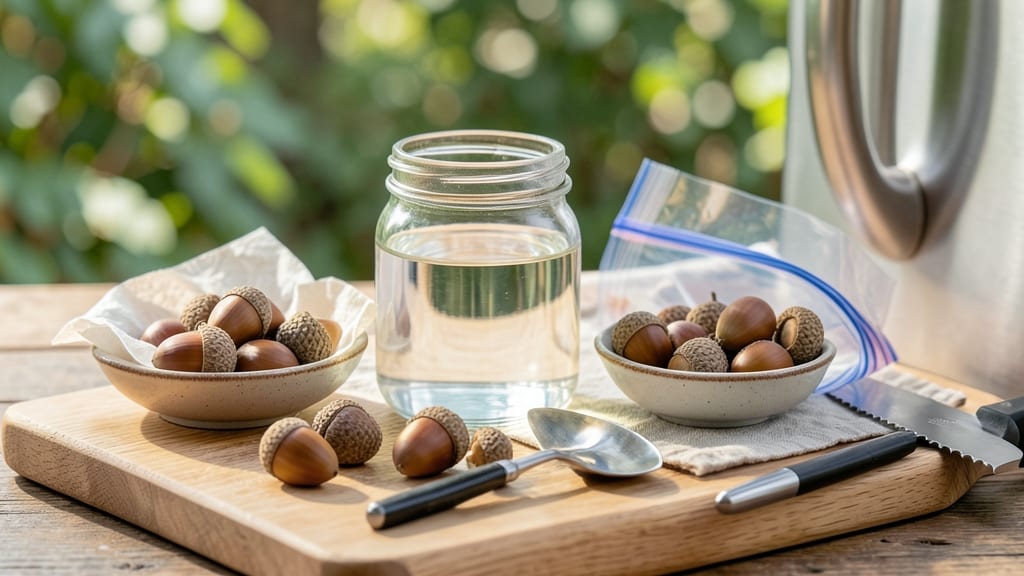
Germinating oak tree seeds feels like unlocking a forest's future. 🌱 The cold stratification trick cuts months off the wait—my first acorns sprouted in 6 weeks instead of a year, and the secret is simple: mimic winter's chill to break dormancy.
You'll need acorns (fresh is best), a damp paper towel, a sealed bag, and patience. The process starts with a 3-month cold spell in your fridge, where moisture and temperature work together to wake the seed's hidden potential. No fancy equipment—just what nature intended.
Once stratification's done, you'll see tiny roots emerge like magic. Plant them shallow in moist soil, keep them warm, and watch as those stubborn little sprouts push through. The payoff? Strong saplings ready for transplanting by spring.
Works for red, white, or pin oak varieties, and the same method applies to other hardwood seeds. Here's how to do it right from start to finish—no guesswork, just reliable results.
📚 In This Guide
- What you need
- Instructions
- Tips and common mistakes
- Wrapping up and next steps
What you need
- ● Fresh oak acorns: 10–20 (preferably from mature, healthy trees—avoid wormy ones!)
- ● Cold stratification setup: 1 large plastic bag (sealable, 1–2 gallons) or
- ● 1 container with damp sand/peat moss (6–8 inches deep)
- ● Moisture source: Distilled or dechlorinated water (1–2 cups)
- ● OR damp sphagnum moss (enough to cover acorns)
- ● Refrigerator: Must maintain 34–40°F (1–4°C) for stratification.
- ● Planting pots/trays: 4–6 inch pots (with drainage holes) or seedling trays.
- ● Potting mix: Well-draining blend (50% perlite/sand + 50% peat or coco coir).
- ○ Heat mat (optional but helpful): For post-stratification warmth (70–75°F/21–24°C).
- ● Fungicide (e.g., Mycorrhizal inoculant or hydrogen peroxide 3%) to prevent rot.
- ● Grow lights (if natural light is weak—12–16 hours/day).
- ● Humidity dome or plastic wrap to retain moisture during early growth.
- ● Label markers to track seed varieties (if experimenting!).
Step-by-step instructions for germinating oak tree seeds
Cold stratification is the secret to breaking oak seeds' tough dormancy—here's how to do it right.
🌱 Step 1: Collect and Prepare Fresh Acorns
Gather acorns in late fall when they've fallen naturally—they'll have the highest germination rates. Look for plump, firm acorns without cracks or holes. Remove any remaining cap and rinse them thoroughly to eliminate debris. I like to soak them in lukewarm water for 24 hours first to soften the outer shell slightly.
Spread the acorns on a paper towel to dry completely. This prevents mold from forming during stratification. Store them in a labeled container with a tiny hole for airflow. Real talk: acorns from your yard will germinate faster than store-bought ones, so collect from mature trees if possible.
❄️ Step 2: Stratify in Moist Sand or Peat Moss
Layer 3 parts moist sand or peat moss with 1 part acorns in a sealed plastic bag or container. The moisture should feel like a wrung-out sponge—not dripping, but damp throughout. I use a 50/50 mix of sand and peat moss for best results, as it holds moisture while allowing airflow.
Place the container in your refrigerator's crispier drawer (around 35-40°F) for 90-120 days. This mimics winter's natural cold period that breaks dormancy. Check monthly to ensure the mix stays moist—never soggy. You'll see tiny root hairs emerge after about 60 days if conditions are right.
☀️ Step 3: Plant Stratified Acorns in Pots
After stratification, plant each acorn 1 inch deep in a 4-inch pot filled with a mix of 50% potting soil and 50% perlite. The perlite prevents compaction and improves drainage. Water gently until moisture appears at the surface, then let it drain completely before placing the pot in a warm, bright location (around 70-75°F).
Keep the soil consistently moist but never waterlogged—oak seedlings hate soggy roots. You'll notice the first true leaves (not the initial seed leaves) appear in 4-8 weeks. This is your signal that germination is successful. Here's the thing—oak seedlings grow slowly, so patience is key.
🌿 Step 4: Transplant Young Seedlings
Once seedlings reach 6-8 inches tall (usually after 1-2 years), they're ready for their first transplant. Choose a 1-gallon pot with drainage holes and fill it with a mix of 60% potting soil and 40% compost. Dig a hole twice as wide as the root ball and place the seedling at the same depth it was growing before.
Water thoroughly after transplanting to settle the soil. Keep the pot in partial shade for the first 2 weeks to reduce stress. You'll see new growth within 3-4 weeks if the transplant went well. Real talk: oak seedlings are tough but sensitive—don't rush the process.
⏰ Step 5: Gradually Acclimate to Outdoor Conditions
After 6 months in pots, it's time to move seedlings outdoors. Start by placing them in a sheltered, shaded spot for 2-3 hours daily, gradually increasing exposure over 2 weeks. This process, called hardening off, prepares them for full sun and wind. You'll know they're ready when they don't wilt after a full day outside.
Plant outdoors in spring or early fall when soil temperatures are 60°F or above. Dig a hole 3 times wider than the root ball and place the seedling so the top of the root ball sits 1 inch below soil level. Water deeply to eliminate air pockets. Oak trees grow slowly, so give them space—they'll live for centuries if given the right start.
Tips & tricks for perfect oak seed germination
These simple tricks will help you maximize your oak seed germination success—saving you time and frustration.
Acorn Selection: Look for acorns that are plump, heavy for their size, and free from cracks or insect holes. The heavier the acorn, the higher the moisture content, which means better germination potential. Store-bought acorns often have lower success rates because they're collected too early or handled improperly during processing.
Stratification Timing: The 90-120 day cold stratification period is critical—don't rush it! I've seen beginners try to cut this time, but oak seeds need the full winter simulation. Check your acorns monthly during stratification to ensure the sand or peat moss mixture stays consistently moist like a wrung-out sponge. If it dries out, you'll need to start over.
Planting Depth: When planting your stratified acorns, that 1-inch depth is perfect for allowing roots to develop while keeping the seed protected. Too shallow and they'll dry out; too deep and they won't have enough energy to push through the soil. Use a pencil to make a small hole that matches the acorn's size for precise planting.
Hardening Off: The 2-week gradual transition from indoor pots to outdoor conditions is where many seedlings fail. Start with just 2-3 hours of shade each day, then increase exposure by 30 minutes daily. Watch for wilting—if it happens, they're not ready for more sun yet. This slow process builds their resilience for full outdoor conditions.
Pro Tips for Germinate Oak Tree Seeds
- These simple tricks will help you maximize your oak seed germination success—saving you time and frustration.
- Acorn Selection: Look for acorns that are plump, heavy for their size, and free from cracks or insect holes. The heav...
- Stratification Timing: The 90-120 day cold stratification period is critical—don't rush it! I've seen beginners try t...
Frequently asked questions
Got questions about germinating oak tree seeds? You’re not alone! Here are answers to the most common queries to help you succeed.
How long does it take for oak seeds to germinate?
With proper cold stratification (60–90 days in the fridge), oak seeds typically sprout within 3–6 weeks after planting. Some varieties may take longer—patience is key! Monitor soil moisture and warmth (60–70°F) to speed things up.
Can I skip cold stratification for oak seeds?
Not recommended! Oak seeds have hard seed coats that require cold treatment to break dormancy. Skipping stratification may result in little to no germination. If you’re short on time, try soaking seeds in warm water for 24 hours first, but cold stratification still works best.
What’s the best soil mix for germinating oak seeds?
Use a light, well-draining mix like 50% peat moss or coco coir and 50% perlite or sand. Oak seeds hate soggy soil—ensure pots have drainage holes to prevent rot. A slightly acidic pH (5.5–6.5) mimics their natural forest habitat.
Why aren’t my oak seeds sprouting after stratification?
Check these common issues:
- Improper stratification: Ensure seeds stayed moist and cold (not frozen).
- Low warmth: Germination needs consistent 60–70°F soil temps.
- Old seeds: Oak seeds lose viability over time—use fresh ones if possible.
- Fungal issues: If mold appears, repot with fresh, sterile soil.
How do I transplant oak seedlings outdoors?
Wait until seedlings have 2–3 sets of true leaves (not just cotyledons) and are at least 4–6 inches tall. Harden them off for 1–2 weeks by gradually exposing them to outdoor conditions. Plant in well-draining soil, 1–2 inches deeper than their container, and water thoroughly. Mulch to retain moisture and protect roots.
Wrapping up and next steps
Germinating oak tree seeds may seem like a patience test, but with the right cold stratification trick, you’ll unlock the secret to faster, healthier sprouts! 🌱 Remember: timing, moisture, and consistency are your best friends—so stay diligent, and soon you’ll watch those tiny seeds transform into mighty seedlings.
Ready to take the next step? Once your seeds sprout, transplant them into well-draining soil and give them plenty of sunlight. Your future oak forest starts with just one seed—so get growing!