
Size
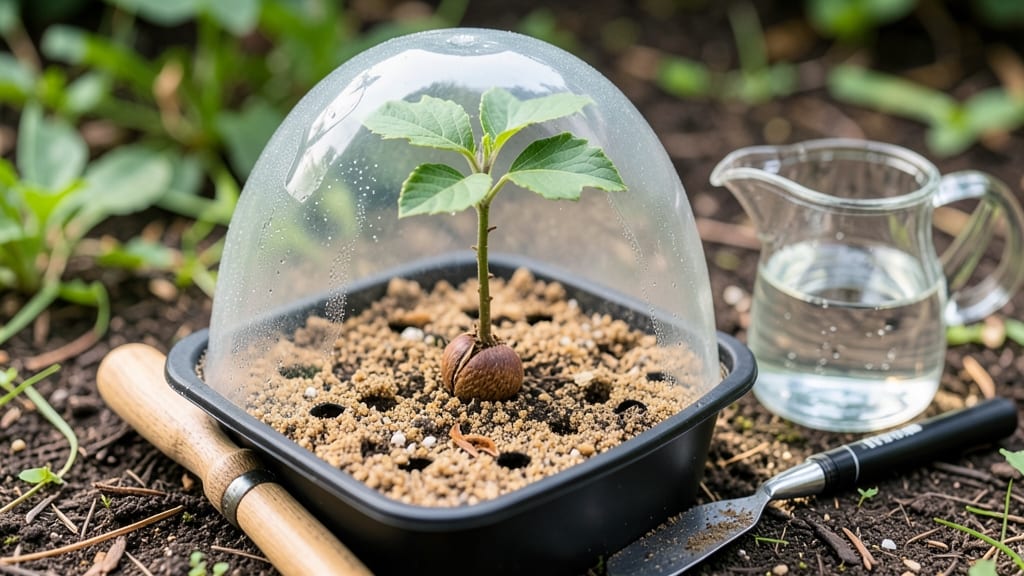
How to get an acorn to grow feels like unlocking a tiny secret of nature—each crack in its shell is a promise. 🌱 I’ve watched dozens sprout—some in weeks, others taking months—but the secret isn’t luck. It’s knowing when to start, how to mimic nature’s timing, and when to give up (yes, some won’t make it). The trick begins with the right acorn—thick-shelled white oaks germinate fastest, while red oaks need extra patience. You’ll need a container, damp paper towels, and a little fridge time for stratification (that’s just science-speak for tricking the seed into thinking winter’s passed). Skip this step, and you’ll wait months—or never see a sprout. Once you’ve got that first root peeking out, keep the soil moist but not soggy. A clear plastic bag over the container creates a greenhouse effect, speeding up growth without fuss. Within 6-8 weeks, you’ll have a tiny sapling ready for its first pot—just don’t rush it. Acorns grow slow, but they grow strong. This isn’t a race; it’s a long game. Some saplings take 3-5 years to reach transplant size, but the payoff? A tree you grew from scratch, standing tall in your yard decades from now. Patience pays off—literally.
📚 In This Guide
- What you need
- Instructions
- Tips and common mistakes
- Wrapping up and next steps
What you need
- ● 1-3 fresh acorns – Choose plump, intact acorns with no cracks or holes (the bigger the cap, the better!). Pro tip: 💡 Collect them in fall after they’ve naturally fallen from the tree.
- ○ 1 small container or pot – A 4-6 inch nursery pot with drainage holes works perfectly. Optional: A plastic bag with ventilation holes if starting indoors.
- ● Well-draining potting mix – A blend of 50% peat moss or coco coir and 50% perlite or coarse sand mimics natural forest soil.
- ● 1 spray bottle – For gentle watering (avoid soaking!).
- ● 1 plastic wrap or humidity dome – Helps maintain moisture during germination.
- ● A thermometer – To monitor soil temperature (ideal range: 60–70°F).
- ● Scissors or pruners – For trimming the acorn cap (if needed) to speed up germination.
- ● A seedling heat mat – Boosts warmth for faster sprouting (especially in cooler climates).
- ● Label tags – To track planting dates and species (if growing multiple acorns).
- ● Patience! – Acorns can take 4–12 weeks to germinate, depending on species and conditions.
- ● Consistent care – Keep soil moist (not soggy) and in a warm, shaded spot.
- ● Outdoor space (eventually!) – Seedlings need sunlight and room to grow once they’re a few inches tall.
Step-by-step instructions for growing an acorn into a sapling
Here's how to coax life from a single acorn—no fancy tools or greenhouses required.
🌱 Step 1: Select and Prepare Your Acorn
Choose a plump, healthy acorn with a full, intact cap—this protects the seed from drying out. I look for ones that feel heavy for their size, a sign of good moisture content inside. Remove the cap and inspect the nut: it should be free of cracks, mold, or holes that could invite pests or rot. If you're unsure, soak the acorn in warm water for 24 hours to check for internal damage—any floaters are no good.
After soaking, gently rub the acorn between your fingers to remove the outer husk. The seed inside should look smooth and slightly glossy. Place it on a paper towel and let it dry completely for 24 hours—this prevents mold when we plant it. I like to label my acorns with the date and tree type if I know it, since oak seedlings can take 2-5 years to reach transplant size.
💧 Step 2: Stratify for Cold Treatment
This is the secret to breaking dormancy—acorns need a winter-like cold period to germinate. Fill a plastic bag with damp but not soggy peat moss or coconut coir (the materials you have on hand). I use about 2 cups of moistened medium per 4-5 acorns—enough to surround them without crushing. Place the acorns inside, seal the bag, and refrigerate for 6-8 weeks.
Check the bag weekly and mist with water if the medium feels dry. You'll see condensation inside—this is normal. The cold treatment mimics nature's way of preparing the seed. After 6 weeks, remove one acorn to test: if it's still firm, keep stratifying; if it feels soft, it's ready. I've had acorns germinate during stratification, so I keep an eye out for tiny root sprouts.
☀️ Step 3: Plant in Moist Growing Medium
Fill a small pot—4-6 inches deep—with a mix of 50% potting soil and 50% perlite or coarse sand (this ensures drainage). Press the soil down lightly, then make a ½-inch deep hole with your finger. Place the stratified acorn inside, pointy end up, and cover it with soil. Water gently until moisture seeps to the surface, then let it drain completely.
Place the pot in a warm spot with bright, indirect light—a south-facing window works, but avoid direct sun, which can dry out the soil too quickly. I cover the pot with a clear plastic bag to retain humidity, securing it loosely with a rubber band. Check daily: mist the bag if the soil feels dry to the touch, but never let it sit in standing water. Germination can take 4-12 weeks, so patience is key.
🌿 Step 4: Care for the Emerging Seedling
Once the first true leaves appear (not the initial seed leaves), remove the plastic bag immediately to prevent mold. Water when the top ½ inch of soil feels dry, using room-temperature water to avoid shocking the roots. I use a spray bottle for the first few weeks to keep the soil evenly moist without disturbing the delicate shoot. Place the seedling in bright, indirect light for 2-3 weeks, then gradually introduce it to morning sun to harden it off.
By the time the seedling reaches 4-6 inches tall, it's ready for a larger pot or outdoor planting (after last frost). I fertilize lightly with a diluted balanced liquid fertilizer (5-5-5) every 4-6 weeks during growing season. Watch for yellowing leaves—a sign of overwatering or nutrient deficiency. Oak seedlings grow slowly, but with consistent care, you'll have a sturdy sapling in 1-2 years.
Tips & tricks for perfect acorn germination
These little-known tricks will help you turn that stubborn acorn into a thriving sapling without the guesswork.
Acorn Selection Tip: The 24-hour soak test is your best quality check—if the acorn floats, it's hollow inside and won't grow. I've found that acorns with a slightly rough texture (not too smooth) tend to germinate more reliably. After soaking, the good ones will feel noticeably heavier than their size suggests. This weight check is your secret weapon for selecting winners.
Stratification Strategy: Don't be tempted to rush the 6-8 week cold treatment—this is where most failures happen. I keep a small notebook next to my fridge to track which acorns I've planted and when, with notes about their condition. The condensation you see during stratification is normal, but if you notice mold developing, open the bag for 10 minutes daily to air it out. This mimics natural winter conditions perfectly.
Planting Precision: That ½-inch deep hole in Step 3 is critical—any deeper and you risk smothering the acorn, any shallower and it may not get enough moisture. I use a pencil to mark the depth before planting, then gently press the soil around it to create good contact. For extra stability, you can lightly press a small pebble on top of the soil to keep it from shifting when you water.
Germination Patience: The 4-12 week germination window can feel like forever, but remember—oak trees grow slowly by nature. I've had acorns sprout within 3 weeks and others take nearly 4 months. Keep your pots in a consistent location and maintain that bright, indirect light. A simple trick: place a small thermometer near your growing area—ideal germination temps hover around 65-75°F. If it's cooler, move closer to a warm spot like near a sunny window.
Pro Tips for Get An Acorn To Grow
- These little-known tricks will help you turn that stubborn acorn into a thriving sapling without the guesswork.
- Acorn Selection Tip: The 24-hour soak test is your best quality check—if the acorn floats, it's hollow inside and won't grow.
- Stratification Strategy: Don't be tempted to rush the 6-8 week cold treatment—this is where most failures happen.
Frequently asked questions
Got questions about growing acorns? You’re not alone! Here are some of the most common queries—and straightforward answers—to help you succeed.
How long does it take for an acorn to sprout?
With the right conditions, acorns typically sprout within 4 to 8 weeks. Oak species vary—some may take longer, especially if the acorn is dormant or stored improperly. Patience is key! Monitor moisture levels and warmth to speed up germination.
Do acorns need cold stratification to grow?
Yes! Most acorns require cold stratification (a 4–12 week period in cold, moist conditions) to break dormancy. Place them in a sealed bag with damp peat moss or sand in the fridge (not the freezer) for best results. Skip this step, and germination may fail.
Can I plant an acorn directly in the ground?
You can, but success depends on your climate. Acorns planted outdoors in fall often need cold stratification naturally. For faster results, pre-stratify indoors first. Choose a well-draining spot, plant 1–2 inches deep, and keep soil moist until sprouts appear.
Why isn’t my acorn sprouting? Troubleshooting tips.
Common issues include:
- Dry acorn: Soak in water for 24 hours before planting.
- Rot: Overwatering or fungal growth? Use sterilized soil and reduce moisture.
- Old acorn: Fresh acorns (current year) germinate best.
- Wrong species: Some oaks (like live oaks) are harder to grow—research your type!
How big should my acorn be to plant?
Size matters! Aim for acorns that are at least 1 inch in diameter—they’re more likely to have enough stored energy to sprout. Smaller acorns may struggle. Look for plump, heavy acorns with minimal cracks or damage for the best chances.
Wrapping up and next steps
Growing an acorn into a mighty oak is a rewarding journey that starts with patience and the right care. By following these steps—selecting healthy acorns, stratifying, planting properly, and nurturing with love—you’re giving nature a helping hand.
Don’t be discouraged if progress feels slow; even the strongest trees begin as tiny seeds!
Ready to watch your little acorn sprout? Your next step: Grab your supplies, pick a sunny spot, and start planting! 🌱 With time and tender care, you’ll soon be celebrating your first oakling. Happy growing!