
How To
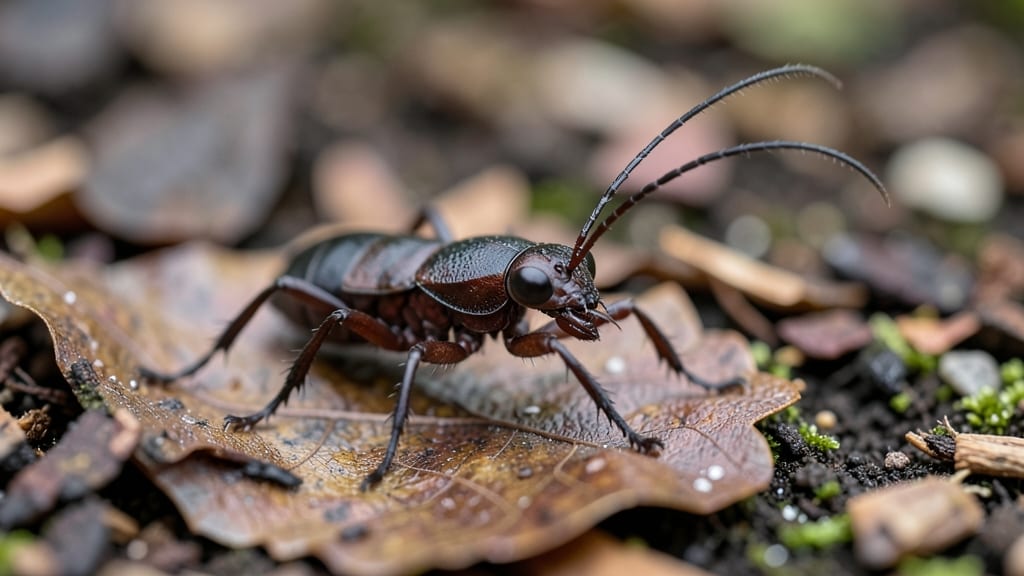
How to get earwigs out of the garden starts with spotting those chewed leaves and curled petals—telltale signs of an unwanted visitor. 🌿 I’ve battled these nocturnal pests for years, and I’ve learned the most effective ways to evict them without harsh chemicals. They’re not just annoying—they can devastate your garden’s health if left unchecked.
Earwigs thrive in damp, dark spaces, which means your garden beds, mulch piles, and even under pots are prime real estate for them. The key to removal is disrupting their habitat while protecting your plants.
Natural methods like diatomaceous earth, neem oil, and strategic watering can make your garden less inviting to them.
Within a week of consistent action, you’ll see fewer earwigs scurrying around at night. Your plants will show signs of recovery—new growth, fewer holes in leaves, and blooms that stay intact. The best part? These methods keep your garden safe for pollinators and beneficial insects.
This approach works for vegetable gardens, flower beds, and even container plants. Whether you’re dealing with a small infestation or a full-blown earwig takeover, these steps will help you reclaim your garden naturally. Let’s get started!
What Draws Earwigs to Gardens
Earwigs might seem like tiny invaders, but their presence in your garden isn’t random—it’s a response to specific conditions they find irresistible. Understanding why they’re there is the first step to outsmarting them.
These nocturnal critters are drawn to environments that provide shelter, moisture, and a steady food supply. Let’s break down the science behind their garden takeover.
Earwigs thrive in damp environments because their exoskeletons are highly sensitive to dehydration. If your garden retains excess moisture—whether from overwatering, poor drainage, or thick mulch layers—you’re essentially rolling out the welcome mat. Their preferred habitats include:
- Shady, damp corners: Earwigs avoid direct sunlight, so they cluster under rocks, logs, or dense mulch where humidity lingers.
- Overwatered beds: Soil that stays soggy for days creates ideal breeding grounds. They can lay up to 50 eggs per clutch, and moisture keeps those eggs from drying out.
- Decaying organic matter: Compost piles, leaf litter, and rotting wood aren’t just food—they’re earwig hotels. The microbial activity in decomposing material traps heat and moisture, making it a prime real estate.
Pro Tip: 💡 Test your soil’s moisture by squeezing a handful—if water drips out, it’s too wet. Aim for "damp sponge" consistency, not a swamp.
Earwigs are omnivorous scavengers, and your garden is likely a buffet. They feast on:
- Young plants and seedlings: Their pincers (forceps) can chew through tender leaves, stems, and even flower buds. Vegetables like lettuce, beans, and strawberries are especially vulnerable.
- Decaying plant material: Fallen fruit, wilting flowers, and dead leaves provide both food and shelter. They’ll also munch on fungus and algae, which thrive in moist conditions.
- Other insects and their eggs: Earwigs are opportunistic predators, feeding on aphids, mites, and even smaller earwigs. This makes them seem helpful—but their damage to plants often outweighs any pest control benefits.
Key Insight: 🔍 If your garden has thick ground cover, unharvested crops, or unraked leaves, you’re unknowingly feeding an earwig army.
Earwigs have few enemies in most gardens, which is why they multiply unchecked. Their predators—like birds, spiders, toads, and certain beetles—often avoid gardens due to:
- Overuse of pesticides: Chemicals that kill earwigs also harm their natural predators, creating a vacuum effect where earwigs thrive without competition.
- Lack of diverse ecosystems: Monoculture gardens (e.g., rows of identical plants) offer no hiding spots for predators. A wildflower border or native plants can attract beneficial insects that keep earwigs in check.
- Artificial lighting at night: Earwigs are nocturnal, but outdoor lights (like porch lamps) disorient their predators, making it easier for earwigs to forage undisturbed.
Actionable Fix: ✨ Add a small water feature or birdbath—birds like robins and swallows love earwigs as snacks!
Earwigs are most active at night (hence the name "earwig"—a myth that they crawl into ears, but they prefer dark, cozy spots). They seek shelter during the day in:
- Dark, enclosed spaces: Under pots, flower pots, bark mulch, or even rolled-up garden hoses. They’re drawn to microclimates where temperature and humidity stay stable.
- Structures with gaps: Wooden fences, sheds, and even the undersides of patio furniture provide hiding spots. Their flattened bodies let them slip into tiny crevices (as small as 1/8 inch).
- Human-made debris: Plastic sheeting, cardboard, or even a single loose brick can become an earwig condo. They’re not picky.
Science Note: 🌡️ Earwigs can’t survive in temperatures above 90°F (32°C). That’s why they burrow into cool, damp spots during the day—your garden’s shady nooks are their air-conditioned retreats.
Now that you know why earwigs are crashing your garden party, the next step is to flip the script and make your space unwelcoming. Start by addressing moisture, food, and shelter—and watch those pincered pests pack their bags.
Natural Ways to Kick Earwigs Out
Earwigs might be small, but their presence can feel like a full-blown garden invasion! The good news? You don’t need harsh chemicals to send them packing. Below are targeted, eco-friendly solutions—each designed to address the root cause of your earwig problem while keeping your garden thriving.
From quick fixes to long-term prevention, these methods are simple, effective, and safe for plants, pets, and kids.
Earwigs love moisture and darkness, so leverage their habits to lure them into traps.
🍳 DIY Beer or Wine Trap
Earwigs are attracted to fermented liquids—perfect for a simple, no-fuss trap.
- What you’ll need: A shallow container (like a pie tin or yogurt cup), beer, wine, or even apple cider.
- How to set it up: 1.
Fill the container with 1–2 inches of liquid (beer works best, but wine or cider are fine). 2. Bury the container partially in the soil (so the rim is flush with the ground). 3.
Place traps near earwig hotspots (under mulch, near plants, or in damp areas). - Pro tip: 💡 Check traps every morning—dispose of earwigs (and the liquid) far from your garden to avoid re-infesting.
👨🍳 Roll-Up Newspaper Bait
Earwigs hide in tight spaces, so they’ll crawl into rolled-up newspaper for shelter—then you can dispose of them easily.
- What you’ll need: Old newspaper, a damp cloth, and a trash bag.
- How to set it up: 1.
Roll a sheet of newspaper into a loose tube (not too tight). 2. Dampen the paper slightly (earwigs love moisture). 3. Place the roll under mulch, pots, or along garden edges overnight. 4. In the morning, seal the newspaper in a bag and toss it in the trash.
Earwigs thrive in moist, dark environments, so reducing humidity makes your garden less appealing.
✨ Reduce Mulch and Debris
Overly thick mulch or leaf litter creates the perfect earwig hotel.
Thin it out to disrupt their habitat. - How to do it: - Rake mulch to no more than 2–3 inches deep. - Remove piles of leaves, wood chips, or rocks where earwigs hide. - Bonus: Spread mulch evenly to prevent clumping.
🎯 Improve Drainage Standing water or soggy soil is an earwig magnet.
Fix drainage issues to make your garden less inviting. - Quick fixes: - Aerate compacted soil with a garden fork. - Add sand or compost to heavy clay soil to improve drainage. - Use raised beds for moisture-sensitive plants.
Earwigs reproduce quickly, so target their breeding grounds to break the cycle.
🐛 Remove Egg Cases (Oothecae)
Female earwigs glue their egg cases to moist, hidden surfaces (like under boards or in cracks).
- How to find and remove them:
- Lift mulch, flat stones, or garden boards and check for small, brown, football-shaped cases.
- Drop them in soapy water to kill the eggs (or crush them carefully).
- Prevent future cases: Seal cracks in wooden structures, pots, or garden furniture.
🌿 Choose Earwig-Resistant Plants
Some plants repel earwigs naturally due to their scent or texture.
Swap vulnerable plants (like lettuce, roses, or dahlias) with: - Marigolds (strong scent deters pests) - Garlic or chives (earwigs avoid the odor) - Lavender (earwigs dislike its fragrance) - Rosemary or thyme (tough leaves are less appealing)
Once you’ve banished earwigs, keep them from returning with these habits:
| Action | Why It Works | How to Do It |
|---|---|---|
| Water in the morning | Reduces evening moisture (earwigs hunt at night). | Use a soaker hose to keep soil damp but not soggy. |
| Prune overgrown plants | Less shade = less humidity. | Trim tall grasses and dense foliage regularly. |
| Use diatomaceous earth (DE) | DE dehydrates earwigs on contact. | Sprinkle food-grade DE lightly around plants (reapply after rain). |
| Encourage predators | Birds, lizards, and ground beetles eat earwigs. | Add a small water feature or rock piles to attract them. |
| Inspect new plants | Earwigs hitchhike on transplants. | Rinse new plants before adding them to your garden. |
Final pro tip: 🌟 Consistency is key! Earwigs are persistent, so combine trapping, habitat changes, and prevention for the best results. With these methods, your garden will stay earwig-free—and thriving!
Frequently asked questions
Why do earwigs show up in my garden suddenly?
Earwigs appear suddenly because they thrive in damp, dark conditions that often develop after rain or overwatering. They also multiply quickly—female earwigs can lay up to 50 eggs per clutch in moist soil. If your garden has thick mulch, leaf litter, or poor drainage, you’ve created the perfect breeding ground for them.
Are earwigs harmful to my plants?
Yes, earwigs can damage plants by chewing on leaves, stems, and flower buds—especially tender vegetables like lettuce, beans, and strawberries. While they occasionally eat pests like aphids, their plant damage usually outweighs any benefits. Look for jagged holes or curled leaves as signs of their activity.
Can I use pesticides to get rid of earwigs?
Chemical pesticides can kill earwigs, but they also harm beneficial insects like bees and ladybugs. For a safer approach, try natural methods first: diatomaceous earth, neem oil, or beer traps. These target earwigs without disrupting your garden’s ecosystem. If you must use pesticides, opt for pyrethrin-based sprays and apply them at dusk when earwigs are active.
How long does it take to see results from earwig removal methods?
With consistent effort, you’ll notice fewer earwigs in 3-7 days. Traps like beer baits or newspaper rolls work quickly, while habitat changes (like reducing mulch or improving drainage) take 2-4 weeks to show full effects. The key is persistence—earwigs are resilient, so combine methods for the best results.
Will earwigs come back after I’ve gotten rid of them?
Yes, earwigs may return if their favorite conditions (moisture, shelter, and food) persist. To prevent reinfestation, maintain dry soil, remove debris regularly, and use earwig-resistant plants like marigolds or lavender. A little ongoing prevention goes a long way in keeping your garden earwig-free long-term.