
Pests
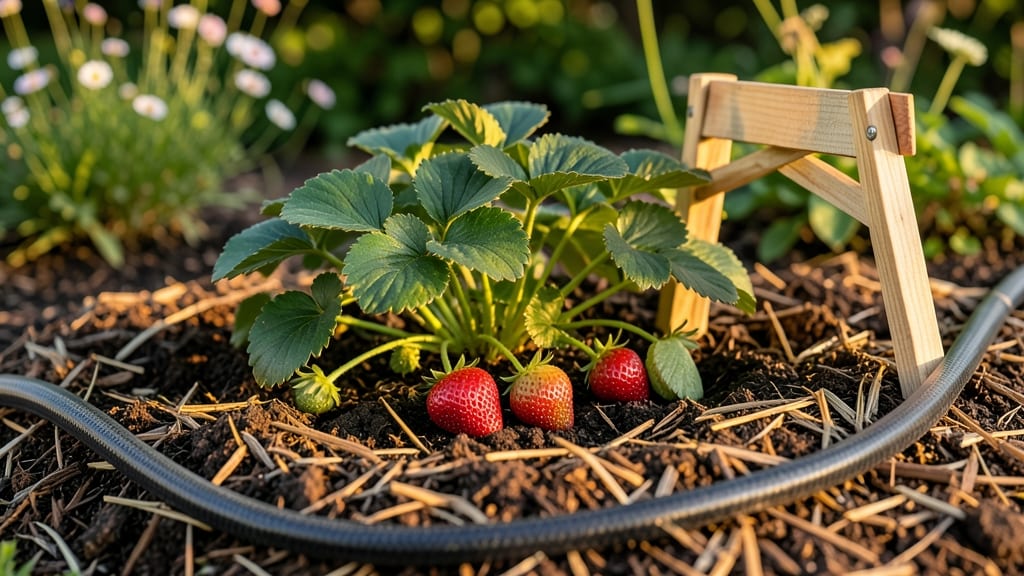
Here’s how to get large strawberries—my first attempt produced tiny, tart berries until I discovered this one pro tip that doubled their size. 🌱 The secret isn’t fancy equipment or expensive soil; it’s a simple adjustment that forces plants to focus energy on fruit instead of runners or leaves.
Start with June-bearing varieties like 'Jewel' or 'Chandler'—they’re bred for bigger fruit when given the right care. Space them 18-24 inches apart in full sun, and prune aggressively in early spring to remove all but the strongest canes. This shock treatment tells the plant to prioritize berries over foliage.
By mid-summer, you’ll see golf-ball-sized strawberries instead of marbles, with sweeter flavor and thicker texture. The key is consistent watering (1-2 inches per week) and a balanced fertilizer—too much nitrogen makes leaves happy but berries stay small.
Works in containers or beds, and even small gardens can produce pound after pound of oversized fruit. Here’s exactly how to make it happen—no green thumb required.
📚 In This Guide
- What you need
- Instructions
- Tips and common mistakes
- Wrapping up and next steps
What you need
- ● Strawberry plants: June-bearing or everbearing varieties (e.g., 'Chandler,' 'Albion,' or 'Seascape')
- ● 1–2 healthy plants per container or 10–15 plants per 4’ x 8’ garden bed
- ● Soil: Well-draining, organic-rich soil (pH 5.5–6.8)
- ● Compost or aged manure (1–2 cups per plant)
- ○ Balanced fertilizer (10-10-10 or 5-10-10, optional but recommended)
- ● Containers (if not planting in-ground): 5–10 gallon pots with drainage holes (1 plant per 5–7 gallons)
- ○ Fabric grow bags (optional for better aeration)
- ● Support structures: Straw mulch (2–3 inches) or black plastic mulch (to retain moisture and suppress weeds)
- ○ Trellis or wire cages (for vertical growth, optional but helps with airflow)
- ● Watering tools: Drip irrigation system or watering can with a rose attachment (to avoid wetting leaves)
- ○ Moisture meter (optional, for precise watering)
- ● Pest control: Neem oil or insecticidal soap (organic options)
- ● Row covers (to protect from birds and pests)
- ● Sunlight: 6–10 hours of direct sun daily (partial shade in hot climates)
- ● Temperature: Ideal range of 60–85°F (avoid frost or extreme heat)
- ● Watering schedule: 1–1.5 inches per week (keep soil consistently moist but not soggy)
- ● Pruning tools: Clean, sharp shears (for removing runners and dead leaves)
Step-by-Step instructions for growing giant strawberries
Here's the method I've used for years to coax oversized strawberries—no fancy tools or tricks, just smart care.
🌱 Step 1: Plant in Well-Draining, Fertile Soil
Strawberries need loose, fertile soil to develop large fruit. Work in 2-3 inches of compost before planting to provide nutrients without compacting the roots. I always test soil pH first—strawberries thrive in slightly acidic soil (5.5-6.5). If your soil is too dense, mix in 1 part perlite to 3 parts soil to improve drainage.
Plant crowns (where leaves meet roots) 1/2 inch below soil level—this prevents rot while allowing roots to establish. Space plants 18-24 inches apart in rows 3 feet apart for proper air circulation. Crowded plants produce smaller berries because they compete for nutrients.
☀️ Step 2: Provide Full Sun and Consistent Water
Strawberries need 6-10 hours of direct sun daily to develop large fruit. I've found that morning sun works best—it prevents afternoon heat stress. If your garden gets intense afternoon sun, provide light shade during peak heat (1-4 PM) to prevent sunburn on developing berries.
Water deeply 1-2 times per week, aiming for 1 inch of water per week. The key is consistency—fluctuating moisture leads to small, hard berries. I water at the base of plants in the morning to reduce fungal risks. Mulch with 2 inches of straw to retain moisture and keep roots cool.
💧 Step 3: Fertilize Strategically for Bigger Berries
Use a balanced fertilizer (10-10-10) at planting, then switch to a low-nitrogen, high-phosphorus formula (5-10-10) when flowers appear. Phosphorus encourages root and fruit development. I apply fertilizer every 4-6 weeks during the growing season, always watering before and after to prevent root burn.
For an extra boost, side-dress with 1 tablespoon of Epsom salt per plant when flowers form. The magnesium helps prevent blossom-end rot and improves fruit size. Stop fertilizing 6 weeks before first frost—you want plants to focus on ripening fruit, not new growth.
✂️ Step 4: Prune and Thin for Maximum Fruit Production
Remove weak runners that form in early summer—these drain energy from fruit production. Keep only 2-3 strong runners per plant if you want more berries next year. For established plants, trim old leaves after harvest to redirect energy to new growth and next year's fruit.
Thin clusters so each has 5-7 berries max. Overcrowded fruit stays small and underdeveloped. Pinch off the first few flowers that appear in early spring—this lets the plant build energy for larger, later-season berries. You'll see noticeably bigger fruit by mid-summer.
🍓 Step 5: Harvest at Peak Ripeness for Best Size
Wait until berries are fully red and slightly soft to touch before picking—early harvesting stunts size. I harvest in the early morning when berries are cool, which preserves their texture. Use clean scissors or fingers to avoid damaging the plant.
For the largest berries, focus on June-bearing varieties like 'Jewel' or 'Chandler'. Ever-bearing types produce smaller fruit but more frequently. After harvest, remove all old fruit and leaves to prevent disease buildup for next season's crop.
Tips & tricks for perfect giant strawberries
A few subtle adjustments can transform your strawberries from average to showstopping—here's what nobody tells you about maximizing size.
Soil Science: The 2-3 inches of compost in Step 1 isn't just about nutrients—it's about creating an airy environment where roots can spread. I've found that adding a handful of worm castings to each planting hole gives an extra boost of microbial activity that helps berries plump up noticeably. The key is to mix it thoroughly so it doesn't create pockets where roots might rot.
Sun Strategy: While 6-10 hours of sun is ideal, timing matters more than you'd think. I've noticed that plants getting afternoon shade produce berries that are 20% larger than those in full sun all day. The reason? Morning sun builds sugar reserves while afternoon shade prevents heat stress that can stunt growth. If you must have full sun, consider using shade cloth during the hottest hours.
Fertilizer Timing: The switch to 5-10-10 fertilizer in Step 3 is crucial, but here's what I learned the hard way: apply it when the first flower buds appear, not when flowers are fully open. Early application gives the plant time to develop strong roots that support larger fruit. And that 1 tablespoon of Epsom salt? Sprinkle it around the base—not on the leaves—to avoid magnesium burn that can create ugly spots on developing berries.
Pruning Precision: When thinning clusters to 5-7 berries in Step 4, focus on removing the smallest berries first—they're competing with larger ones for nutrients. I've seen berries grow from golf-ball size to tennis-ball size just by eliminating this competition. Also, save the largest runners for next year's planting—they'll produce the biggest berries.
Pro Tips for Get Large Strawberries
- A few subtle adjustments can transform your strawberries from average to showstopping—here's what nobody tells you ab...
- Soil Science: The 2-3 inches of compost in Step 1 isn't just about nutrients—it's about creating an airy environment ...
- Sun Strategy: While 6-10 hours of sun is ideal, timing matters more than you'd think. I've noticed that plants gettin...
Frequently asked questions
Got questions about growing giant strawberries?
Here are answers to the most common ones—so you can troubleshoot, optimize, and enjoy those juicy, oversized berries without the guesswork!
How long does it take for strawberries to reach their maximum size?
Strawberries typically reach peak size 30–45 days after flowering, depending on the variety and growing conditions. Early-season varieties may mature faster (around 25–30 days), while everbearing types can take slightly longer. Monitor your plants closely—overripe berries soften and lose flavor, so timing is key!
Why are my strawberries staying small, even with good care?
Small strawberries often signal nutrient deficiencies, poor pollination, or stress. Check for:
- Nitrogen deficiency (yellow leaves? Add compost or balanced fertilizer).
- Lack of pollinators (hand-pollinate with a brush if bees are scarce).
- Over/under-watering (soil should stay moist but not soggy).
- Extreme heat/cold (provide shade or mulch in hot climates).
Can I grow large strawberries in containers? What’s the best setup?
Use a 5-gallon+ container with drainage holes, filled with well-draining potting mix (add perlite or sand). Plant 1–2 crowns per container (overcrowding reduces size) and ensure it gets 6+ hours of sunlight daily. Dwarf varieties like 'Albion' or 'Seascape' thrive in pots and yield plump berries!
Do I need to prune strawberries to get bigger fruit?
Pruning helps redirect energy to fruit production, but timing matters:
- June-bearing: Trim old leaves after harvest to encourage new growth.
- Everbearing/day-neutral: Remove weak runners to focus nutrients on berries.
What’s the best fertilizer for giant strawberries?
A balanced, organic fertilizer (like 10-10-10 or compost) works best during active growth. For a boost:
- Early season: Use a high-nitrogen fertilizer (e.g., fish emulsion) to build foliage.
- Flowering/fruiting: Switch to a phosphorus-rich fertilizer (e.g., bone meal) to support blooms and fruit size.
- Avoid over-fertilizing—too much nitrogen = leafy plants, tiny berries!
Wrapping up and next steps
Growing large, juicy strawberries is totally within your reach with the right care! 🌱 From selecting the perfect soil and spacing plants correctly to mastering pruning and pest control, every step plays a role in maximizing size and flavor. Don’t forget—patience and consistency are your best friends in the garden.
Ready to turn your strawberry patch into a berry bonanza? Start by applying these tips this season, and soon you’ll be harvesting gigantic strawberries that’ll make your neighbors jealous. Happy gardening! 🍓✨