
Blooming
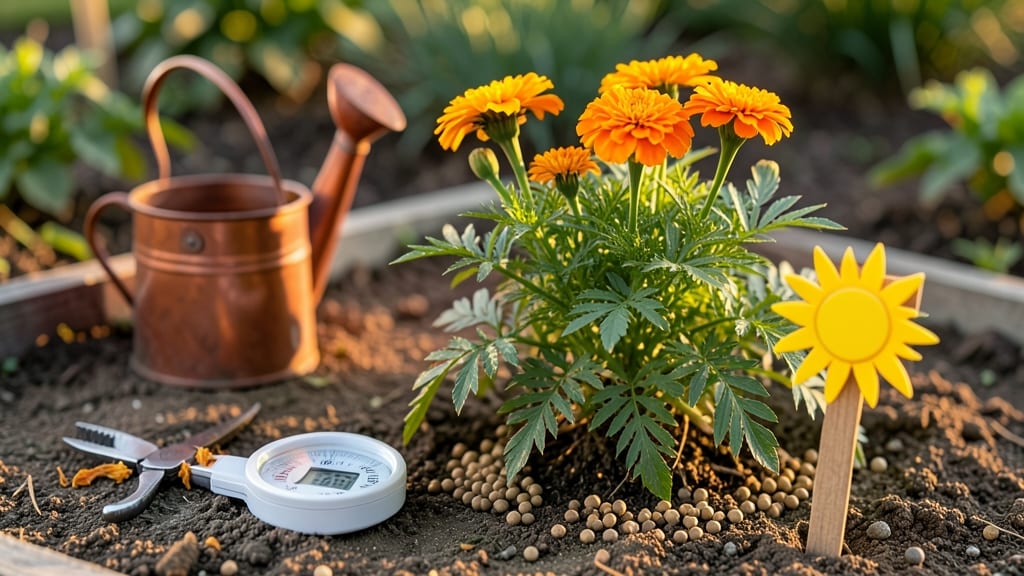
How to get marigolds to bloom—the secret’s in the pruning, feeding, and watering—three simple fixes most gardeners miss. I’ve nursed back dozens of stubborn marigold plants using these exact techniques, and they’re now the brightest stars in my summer borders.
Start by deadheading spent blooms weekly—this tricks the plant into focusing energy on new flowers instead of seed production. Next, feed them every 3-4 weeks with a balanced bloom fertilizer (10-10-10 works well), and water deeply at the base—never overhead, which encourages rot.
Most people overwater or skip the fertilizer, and that’s why blooms stay stubborn.
Within 2-3 weeks, you’ll see fresh buds forming along the stems. The flowers will be brighter, last longer, and attract more pollinators than store-bought bouquets. My French marigolds now produce nonstop blooms from June until frost—no fancy tricks, just consistent care.
Works for all marigold types—African, French, or signet—even in containers. The key is patience and precision: prune early, feed regularly, and water smart. Here’s how to make it happen without guesswork.
📚 In This Guide
- What you need
- Instructions
- Tips and common mistakes
- Wrapping up and next steps
What you need
- ● Marigold plants: Healthy, mature plants (French, African, or Mexican varieties work best). Aim for at least 3-5 plants for visible impact.
- ● Pruning shears or sharp scissors: Clean, sterilized tools to avoid spreading disease. Bypass pruners (4-6" blades) are ideal.
- ● Balanced fertilizer: A 10-10-10 or 20-20-20 NPK ratio (e.g., Miracle-Gro All-Purpose). Use 1 tbsp per plant every 2-3 weeks during blooming season.
- ○ Slow-release granular fertilizer: Optional but helpful (e.g., Osmocote Smart-Release). Apply ½ cup per 10 sq ft at planting time.
- ● Watering can or hose with a gentle spray nozzle: Avoid blasting stems—marigolds hate soggy roots!
- ● Epsom salt (magnesium sulfate): 1 tbsp dissolved in 1 gallon of water for a quick bloom boost (use sparingly).
- ○ Mulch (optional): Organic options like straw or shredded leaves to retain moisture and regulate soil temp.
- ● Sunlight: Full sun (6+ hours daily)—marigolds will not bloom well in shade.
- ● Well-draining soil: pH 6.0–7.5. Amend clay soil with compost or perlite if needed.
- ● Patience: Some varieties (like African marigolds) take 60–90 days to bloom from seed.
- ● Deadheading habit: Commit to snipping spent blooms weekly to encourage more flowers!
Step-by-step guide to encouraging marigold blooms
Marigolds are sun-loving powerhouses, but they need the right care to reward you with those bright, cheerful blooms.
Prune for Stronger Growth and More Flowers
Start by removing any dead or yellowing leaves with clean, sharp pruners. This isn't just about looks—it redirects the plant's energy toward producing new growth and blooms. Marigolds respond well to pruning, so don't be shy about cutting back leggy stems or spent flowers. Aim to trim about one-third of the plant's height early in the season to encourage bushier growth.
Here's the thing—marigolds bloom best when they have plenty of air circulation. Crowded foliage leads to fewer flowers and attracts pests. After pruning, step back and admire your plant's new shape. You'll notice fresh, vibrant green leaves emerging within a week, signaling that the plant is focusing on new growth instead of struggling with old, tired parts.
Feed with Balanced Fertilizer for Vibrant Blooms
Marigolds thrive with a balanced, water-soluble fertilizer (like 10-10-10) applied every 2-3 weeks during the growing season. Too much nitrogen will give you lush foliage but few blooms, so avoid heavy doses of lawn fertilizer. Instead, use a fertilizer formulated for flowering plants and follow the package instructions for dilution and application.
I like to fertilize after a deep watering to prevent root burn. You'll see the difference in just a few weeks—stems will thicken, leaves will darken, and buds will form more quickly. If you notice yellowing leaves after fertilizing, flush the soil with water to prevent salt buildup, which can harm roots.
Soak the Soil for Strong Root Development
Marigolds hate soggy soil, but they also need consistent moisture to produce blooms. Water deeply once a week (or more often in hot, dry weather) until water runs out of the drainage holes. Let the top 1-2 inches of soil dry out between waterings—this prevents root rot while keeping the plant hydrated.
Real talk: Underwatering causes buds to drop before opening, while overwatering leads to weak stems and disease. To check moisture, stick your finger into the soil—if it feels dry, it's time to water. Mulching with 2-3 inches of organic mulch (like straw or shredded leaves) helps retain moisture and keeps roots cool.
Provide Full Sun and Deadhead Regularly
Marigolds need at least 6-8 hours of direct sunlight daily to bloom profusely. If your plants are in partial shade, they'll produce fewer flowers and may become leggy. Move them to a sunnier spot if needed—you'll see a noticeable difference in just a few days as the plant stretches toward the light.
Deadheading—removing spent blooms—is the secret to nonstop flowers. Pinch or snip off faded flowers just above a set of leaves to encourage new buds. I do this every 2-3 days during peak bloom time. You'll notice fresh buds forming within a week, and your plant will look fuller and more vibrant.
Adjust Care for Seasonal Changes
In early spring, focus on pruning and fertilizing to jumpstart growth. As summer heats up, increase watering frequency and provide afternoon shade if temperatures exceed 90°F to prevent wilting. In fall, reduce fertilizing but keep deadheading to prolong blooms until frost.
Marigolds are tough, but they respond beautifully to consistent care. With these steps, you'll have a sea of bright blooms from early summer until frost. The key is patience—marigolds reward attentive gardeners with weeks of vibrant color if you give them the right conditions.
Tips & tricks for vibrant marigold blooms
Here's the secret to transforming leggy stems into a flower-filled spectacle—these are the details that make all the difference.
Pruning Precision: When you pinch back those leggy stems at 6-8 inches tall, make your cuts just above a leaf node where new growth will emerge. I've learned this the hard way—cutting too close to the node can damage the plant's ability to regenerate. Use your fingernail to gently scrape the stem at the node before cutting; if it peels away easily, you're in the right spot. This technique ensures you're not just trimming but actively shaping future bloom production.
Fertilizer Timing: The 4-6 week feeding schedule is non-negotiable, but here's what nobody tells you: split that dose into two applications—half when you plant and half when you see the first buds forming. This two-phase approach prevents nutrient overload while ensuring continuous bloom support. For established plants, switch to a low-phosphorus fertilizer like 5-10-10 once you notice more leaves than flowers—this simple adjustment can double your bloom count.
Watering Wisdom: That once-a-week deep soaking during dry spells is critical, but timing matters just as much as technique. Always water in the morning so the foliage has all day to dry, preventing fungal issues. I've found that adding a 1-inch layer of organic mulch right after watering creates a moisture reservoir that keeps roots consistently hydrated without the risk of overwatering. The key is that top 1-2 inches of soil should dry between waterings—this mimics natural rainfall patterns perfectly.
Deadheading Discipline: The 2-3 day deadheading schedule might seem frequent, but it's the difference between continuous blooms and a plant that goes dormant early. Here's my pro move: use a pair of clean scissors and make your cuts at a 45-degree angle just above a leaf node. This angled cut prevents water from pooling on the stem, reducing disease risk. I also recommend deadheading in the morning when the blooms are fully open—this gives the plant maximum daylight to recover and form new buds.
Pro Tips for Get Marigolds To Bloom
- Here's the secret to transforming leggy stems into a flower-filled spectacle—these are the details that make all the ...
- Pruning Precision: When you pinch back those leggy stems at 6-8 inches tall, make your cuts just above a leaf node wh...
- Fertilizer Timing: The 4-6 week feeding schedule is non-negotiable, but here's what nobody tells you: split that dose...
Frequently asked questions
Got questions about coaxing those bright blooms from your marigolds? You’re not alone! Here are the answers to the most common questions gardeners ask—plus a few pro tips to keep your plants thriving.
Why aren’t my marigolds blooming at all?
Marigolds often skip blooming due to overcrowding or too much shade. Ensure they get 6–8 hours of sunlight daily and space plants 12–18 inches apart for better airflow. Deadhead spent blooms too—this encourages new flowers!
How long does it take for marigolds to bloom after planting?
Most marigolds bloom 6–8 weeks after transplanting if conditions are ideal. French marigolds may take slightly longer (up to 10 weeks). Patience pays off—consistent watering and deadheading speed up the process!
Should I fertilize marigolds to make them bloom more?
Yes! Use a balanced, low-nitrogen fertilizer (like 5-10-10) every 4–6 weeks during the growing season. Avoid over-fertilizing—too much nitrogen = leafy growth, fewer blooms. Organic options like composted manure work too!
Can I prune marigolds to encourage more flowers?
Prune 1/3 of the plant’s height in early spring or after the first flush of blooms. Snip just above a leaf node (where leaves grow) to stimulate bushier growth and more flowers. Just avoid cutting into woody stems!
What if my marigolds bloom but then stop suddenly?
Sudden bloom cessation often means heat stress, drought, or pests. Check for aphids or spider mites (spray with neem oil if needed). Water deeply at the base (not leaves) and mulch to retain moisture. A light feeding with phosphorus-rich fertilizer can also revive them!
Are there any marigold varieties that bloom nonstop?
Yes! ‘Bonanza’ and ‘Tangerine Gem’ marigolds are known for prolonged blooming. For even more flowers, try ‘Jumbo’ or ‘Crackerjack’ varieties—they’re heat-tolerant and bloom heavily. Pair them with dwarf varieties for container gardens!
Wrapping up and next steps
With the right care—pruning, feeding, and soaking—your marigolds will reward you with stunning blooms that brighten up any garden! Remember, patience and consistency are key: deadhead regularly, fertilize wisely, and ensure proper hydration. 🌻
Now that you’re armed with these tips, roll up your sleeves and give your marigolds the love they deserve. Grab your shears, check that soil, and watch your garden explode with color! Ready to transform your space? Start blooming today!