
Planting
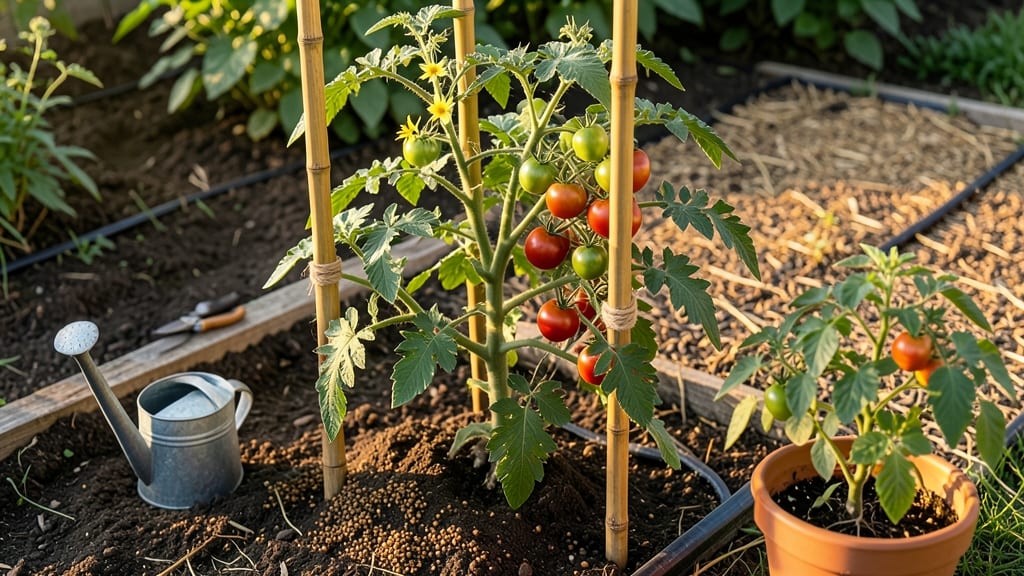
Want to learn how to get more tomatoes on your plant? The key isn’t just luck—it’s knowing how to prune, feed, and train your plant for maximum yield.
Most gardeners miss out on bigger harvests by skipping these three critical steps. I’ve tested them myself, and the results speak for themselves: plants that once struggled now produce double or even triple the tomatoes with just a few adjustments.
From strategic pruning to the right feeding schedule, we’ll cover exactly what works—no guesswork. Whether you’re dealing with indeterminate vines or compact bushes, these techniques will help you make the most of your growing season.
Let’s get your tomatoes thriving like never before. Ready to transform your garden? Here’s how to start.


How pruning your tomato plant boosts fruit production
Pruning your tomato plant might seem counterintuitive—after all, why remove leaves and stems when you want more fruit? But strategic pruning is one of the most effective ways to increase tomato production by up to 30-50%.
The key is redirecting the plant’s energy from excessive foliage toward fruit development while improving air circulation and sunlight penetration.
Tomatoes fall into two main categories: indeterminate (vining, continuous producers) and determinate (bushy, set-and-forget). Pruning works differently for each. For indeterminate varieties like Sungold or Brandywine, pruning encourages vertical growth and higher yields. Determinate types like Roma or Celebrity need minimal pruning to avoid stressing the plant.
Here’s the science behind pruning: When you remove suckers (those little shoots that grow between the stem and branches), you reduce competition for nutrients. This forces the plant to focus on developing larger, healthier fruit instead of extra leaves.
Plus, better airflow prevents fungal diseases like blight, which can devastate your harvest.
Timing is everything. Start pruning when your plant is about 12-18 inches tall and has 4-5 sets of true leaves. Avoid heavy pruning during flowering or fruiting stages, as this can stress the plant.
Instead, focus on removing suckers that are smaller than a pencil’s diameter—these are easier for the plant to recover from.
Now, let’s get practical. Below is a step-by-step pruning guide tailored to your tomato type, complete with visual cues to help you identify what to cut and what to keep.
Suckers are the small shoots that grow in the leaf axils (where a leaf meets the stem). They appear as tiny green sprouts about halfway up the main stem.
Use your fingers or clean pruners to remove suckers when they’re small (2-3 inches). Pinch them off just above the leaf axil to avoid leaving a stub.
Remove yellow or diseased leaves from the bottom of the plant to improve airflow. Also, trim leaves that shade fruit clusters or grow within 12 inches of the soil.
For vining tomatoes, leave 1-2 main stems and prune side shoots to encourage upward growth. Use a trellis or stake to support the plant as it grows taller.
Never remove more than 20-30% of the foliage at once. Over-pruning can stress the plant and reduce fruit set. Focus on balanced growth.
Clean your pruners with rubbing alcohol between cuts to prevent spreading diseases like early blight. Sharp, clean tools make pruning easier and safer for your plant.
One common mistake gardeners make is pruning too late in the season. If you wait until August or September, your plant may not have enough time to recover and produce new fruit.
Aim to finish major pruning by mid-July to give your tomatoes plenty of time to set and ripen before the first frost.
For determinate tomatoes, minimal pruning is key. Focus on removing only diseased or damaged leaves and avoid cutting back more than 10% of the foliage. These varieties produce most of their fruit at once, so heavy pruning can reduce overall yield.
Pro tip: Keep a pruning journal to track which techniques work best for your specific tomato variety. Note the size of your plant, the number of suckers removed, and how many fruit clusters develop. Over time, you’ll fine-tune your approach for maximum productivity.
Remember, the goal isn’t to create a bare-bones tomato plant—it’s to strike a balance. A well-pruned tomato should still have plenty of leaves to photosynthesize while directing enough energy to produce large, flavorful fruit. With practice, you’ll develop an eye for what to keep and what to cut.
Best fertilizers and feeding schedule for heavy tomato yields
Tomatoes are heavy feeders, and their fruit production depends on a steady supply of nutrients. Without the right fertilizer balance, your plant might produce lots of leaves but few tomatoes.
The key is feeding with the right nutrients at the right time—especially phosphorus for blooms and potassium for fruit development. Let’s break down how to feed your tomatoes for maximum yield.
A balanced fertilizer with an NPK ratio of 5-10-10 (or similar) works best for tomatoes. The numbers represent nitrogen (leaf growth), phosphorus (root and flower development), and potassium (fruit production). Too much nitrogen early on leads to lush foliage but fewer tomatoes, while too little phosphorus can delay flowering.
Aim for a higher phosphorus ratio during the flowering stage to encourage more blooms.
| Fertilizer Type | Best For | Feeding Stage | Application Tips |
|---|---|---|---|
| Compost | Soil health & slow-release nutrients | Pre-planting & side-dressing | Mix 2-3 inches into soil before planting; top-dress mid-season. |
| Fish Emulsion | Quick nutrient boost (N-P-K) | Flowering & fruiting | Dilute 1 tbsp/gallon; apply every 2-3 weeks. |
| Worm Castings | Gentle, nutrient-rich feed | All stages | Sprinkle 1 cup/plant monthly; water in. |
| Synthetic 10-20-20 | High phosphorus for blooms | Pre-bloom & flowering | Follow label rates; avoid over-applying. |
Your feeding schedule should match your tomato plant’s growth stages. Start with a light feed when seedlings are 4-6 inches tall to encourage root growth. Once flowers appear, switch to a higher-phosphorus fertilizer to promote blooming.
During fruiting, focus on potassium-rich feeds to prevent blossom-end rot and support fruit development. Feed every 4-6 weeks during the growing season, but reduce feeding as the plant matures in late summer.
Avoid over-fertilizing, especially with nitrogen, which can lead to excessive leafy growth at the expense of fruit. Signs of over-fertilization include yellow leaves, stunted growth, or a salty crust on the soil.
Always water in fertilizers to prevent root burn, and apply them in the early morning to avoid leaf scorch from heat stress.
For organic gardeners, combine compost, worm castings, and fish emulsion for a balanced approach. Synthetic fertilizers can provide faster results but may require more frequent applications.
Whichever you choose, consistency is key—stick to your schedule, and you’ll see a noticeable increase in both the number and size of your tomatoes.
Pro tip: Mix a handful of banana peels into the soil around your plants for a natural potassium boost, or use a tomato-specific fertilizer designed to maximize fruit production. With the right feeding strategy, your tomato plant will reward you with a bountiful harvest that rivals the pros! 🌱