
Pests
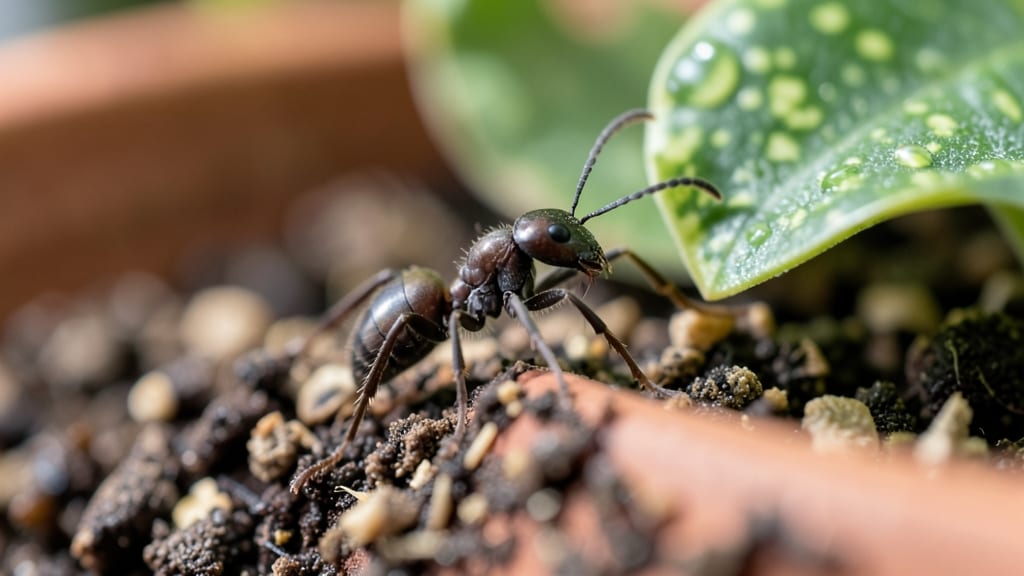
How to get rid of ants in my plant pots—it’s not just about shooing them away, but cutting off their access to your plants’ nutrients. 🌱 I've battled these tiny invaders in my own containers, and I've found the citrus-spice combo that finally works. The key? Cutting off their trails and disrupting their scent markers without harming your plants.
Ants target pots because of moisture and sugary residues from plant sap or fertilizer. They're not just pests—they're tiny farmers farming aphids for honeydew. The good news?
You don't need toxic chemicals. A simple barrier of crushed citrus peels and cinnamon creates a scent ants can't cross, while keeping your plants safe.
Within 24 hours, you'll see fewer ants, and in a week, your pots will be ant-free. The citrus scent even lingers pleasantly, masking any plant odors that attract them. Plus, your plants get a natural boost from the citrus oils while staying protected.
This method works for all container plants—herbs, vegetables, or flowers—and requires just minutes to set up. The best part? You'll prevent future invasions by regularly refreshing the barrier. Let's reclaim your pots!
Root Causes of Ant Infestations
Ants don’t just wander into your plant pots by accident—they’re drawn in by a mix of food, shelter, and chemical signals. Understanding these triggers helps you block their entry points before they become a nuisance. Here’s why your pots turn into ant highways:
Ants are attracted to sugary and fatty substances, and your plants might be serving up an all-you-can-eat buffet without you realizing it. Here’s how it happens:
- Overwatering or Fertilizer Residue: Excess water can dissolve nutrients in potting soil, creating a sticky, sugary film on the surface.
Ants detect these sugars with their antennae and follow the scent trail right to your pots. - Decaying Plant Matter: Dead leaves, fallen flowers, or rotting roots release fermentation byproducts (like ethanol and organic acids), which ants mistake for food.
Even composting soil can emit volatile organic compounds (VOCs) that signal "easy meal." - Nectar from Plants: Some houseplants—like mint, basil, or citrus—produce nectar on their leaves or stems. Ants farm these plants in nature, so they’ll happily set up camp near them.
Pro Tip: 💡 If your soil smells sweet or sticky, it’s a red flag. Rinse the top layer with water to wash away excess sugars, and avoid over-fertilizing.
Ants need water and a stable environment to survive, and your plant pots provide both. Here’s how:
- Humid Soil: Ants thrive in moist conditions because they need water to stay hydrated.
If your pots retain too much water (common in terracotta or plastic containers), they create the perfect nesting ground. - Cracks and Gaps: Even small crevices in pots, saucers, or drainage holes offer ants entry points and shelter.
They’ll use these to build trails and protect their colonies from predators. - Mulch or Organic Matter: Thick layers of mulch, bark, or peat moss near pots can trap moisture and provide hiding spots. Ants will tunnel through these materials to reach your plants.
Key Insight: 🌡️ Ants prefer consistently damp environments—if your pots dry out quickly, they’ll avoid them. Use well-draining soil and avoid overwatering to make your pots less appealing.
Ants communicate using pheromone trails, which they leave to guide their colony to food sources. Once they find a food-rich pot, they’ll mark it permanently, turning it into a superhighway for more ants.
- Protein and Sugar Combinations: If your plant’s food source contains both proteins (from decaying matter) and sugars (from nectar or fertilizer), ants will release stronger pheromone signals to recruit more workers. - Existing Trails: If ants are already active in your home or garden, they’ll follow the same paths they use to reach other food sources—like your kitchen or pet food bowls—right to your plant pots. - Nighttime Activity: Many ant species (like sugar ants or pavement ants) are nocturnal.
They’ll scout for food under cover of darkness, leaving pheromone trails that become visible as they grow busier.
Warning Sign: ⚠️ If you see a single line of ants marching in one direction, it’s a sign of a pheromone trail. Act fast—once the trail is established, more ants will follow within hours.
Not all plants are equal when it comes to ant magnetism. Some species actively invite ants as natural protectors (a symbiotic relationship called myrmecophily), while others accidentally feed them. Here’s the breakdown:
| Plant Type | Why Ants Love It | Example Plants |
|---|---|---|
| Nectar-Producing | Leaves or stems secrete sugary nectar. | Mint, basil, citrus, ivy |
| Decay-Prone | Rotting leaves or roots release fermented sugars. | Ferns, monstera, overwatered succulents |
| Companion Plants | Some plants (like citrus) attract ants as bodyguards against pests. | Citrus, oleander, some ferns |
| High-Moisture | Soil stays damp, creating ideal nesting conditions. | Calatheas, peace lilies, ferns |
Avoid the Trap: 🚫 If you’re growing ant-friendly plants, isolate them from other pots or use barrier methods (like diatomaceous earth) to prevent trails from spreading.
Quick Fixes for Ant-Infested Pots
Ants in your plant pots aren’t just a nuisance—they can harm your plants by disturbing soil and attracting other pests. The good news? You can tackle them effectively with simple, natural solutions tailored to the cause.
Below, we’ve mapped out the most common reasons ants invade your pots and the best ways to kick them out for good.
Ants are drawn to damp soil, especially if your pots lack proper drainage. If you’ve noticed trails of tiny workers near water sources, it’s time to adjust your watering habits.
How to Fix It:
- 👨🍳 Reduce Watering Frequency – Let the top inch of soil dry out between waterings. Overwatering creates the perfect ant buffet.
- 🔪 Improve Drainage – Add a layer of gravel or perlite to the bottom of your pots to prevent waterlogging. If repotting, choose containers with drainage holes.
- ⏰ Water in the Morning – Ants are less active in cooler temperatures, so watering early reduces their chances of finding a damp home.
Prevention Tip: 💡 Use a moisture meter to track soil dampness—ants can’t survive in dry conditions!
Ants march in straight lines because they follow scent trails left by their colony. If you’ve spotted them near sticky residues (like honeydew from aphids or spilled sugary drinks), they’re likely foraging for food.
How to Fix It:
- 🌿 Remove Attractants – Wipe down pot rims, saucers, and nearby surfaces with a vinegar-water mix (1:1 ratio) to eliminate sugar and grease residues.
- 🍋 Citrus Barrier Spray – Mix peelings from lemons, oranges, or grapefruits with water, boil for 10 minutes, strain, and spray around pot edges. Ants hate citrus!
- 🌶️ Spice Dust Line – Create a repellent border using cinnamon, cayenne pepper, or crushed cloves around the pot’s base. Reapply after rain.
Pro Tip: ✨ Place used coffee grounds (cooled) around pots—they disrupt ant trails and add nitrogen to the soil!
If ants are digging into your soil or you see tiny mounds, they’ve likely established a nest. A direct approach is needed to evict them without harming your plants.
How to Fix It:
- 🔥 Boiling Water Treatment – Carefully pour boiling water directly into the soil where you see ant activity. This kills larvae and disrupts the colony. Do this outdoors or in a well-ventilated area.
- 🐝 Diatomaceous Earth (Food-Grade) – Sprinkle a thin layer around the pot’s base and soil surface. This powder dehydrates ants on contact. Reapply after watering.
- 🌱 Repot Affected Plants – If the infestation is severe, remove the plant, rinse the roots in soapy water, and repot with fresh, sterile soil mixed with sand or perlite to deter nesting.
Safety Note: ⚠️ Avoid chemical pesticides—they can harm plants and beneficial insects like bees.
Once you’ve evicted the ants, take steps to ensure they don’t return.
How to Fix It (Permanently):
- 🌡️ Maintain Dry Borders – Keep the area around pots dry by using gravel or mulch (like cedar chips) as a barrier.
- 🎯 Regular Inspections – Check pots weekly for new trails or mounds, especially after rain.
- 🍎 Natural Repellent Plants – Place basil, mint, or lavender near your pots—their strong scents deter ants.
- 🚫 Seal Entry Points – If ants are climbing the pot walls, apply a petroleum jelly barrier (non-toxic) around the rim to block their access.
Bonus Hack: 💡 Crush mint leaves and place them near pot edges—the scent confuses ants and makes them avoid the area!
By addressing the root cause—whether it’s moisture, food, or nesting—you can eliminate ants naturally and keep your plants thriving. Start with one or two methods, monitor the results, and adjust as needed. Your green thumbs (and your plants) will thank you!
Frequently asked questions
Why do ants keep coming back after I've tried repellents?
Ants rely on pheromone trails and food sources, so they'll return if the original attractants (like sugar residues or moisture) remain. Always remove food sources first—wipe down pot rims with vinegar and check for aphids or rotting plant matter. Refresh your barrier (like crushed citrus or cinnamon) every 3-5 days or after rain.
Is it safe to use diatomaceous earth around my plants?
Yes, when used correctly! Food-grade diatomaceous earth is non-toxic to plants and pets once settled. Just apply a thin layer around the pot base and soil surface—avoid over-applying, as it can dry out soil. Reapply after watering, and keep it away from direct airflow to maintain effectiveness.
Can I use coffee grounds to repel ants?
Used coffee grounds are a natural ant deterrent because they disrupt scent trails. Sprinkle them around pot edges (not directly on soil) and refresh weekly. Bonus: They add nitrogen to the soil and deter other pests like slugs.
What if ants are nesting inside my pot?
For established nests, try boiling water (pour carefully into the soil) or food-grade diatomaceous earth mixed into the top inch. If severe, repot the plant with fresh, sterile soil and inspect roots for eggs. Avoid chemical pesticides—they can harm your plants and beneficial insects.
Will ants harm my plants?
Indirectly, yes! While ants themselves don’t eat plants, they farm aphids (which suck plant sap) and disturb soil. Their tunnels can also create air pockets that suffocate roots. Monitor for signs of aphids or wilting—if you see these, act fast with natural repellents.