
Pests
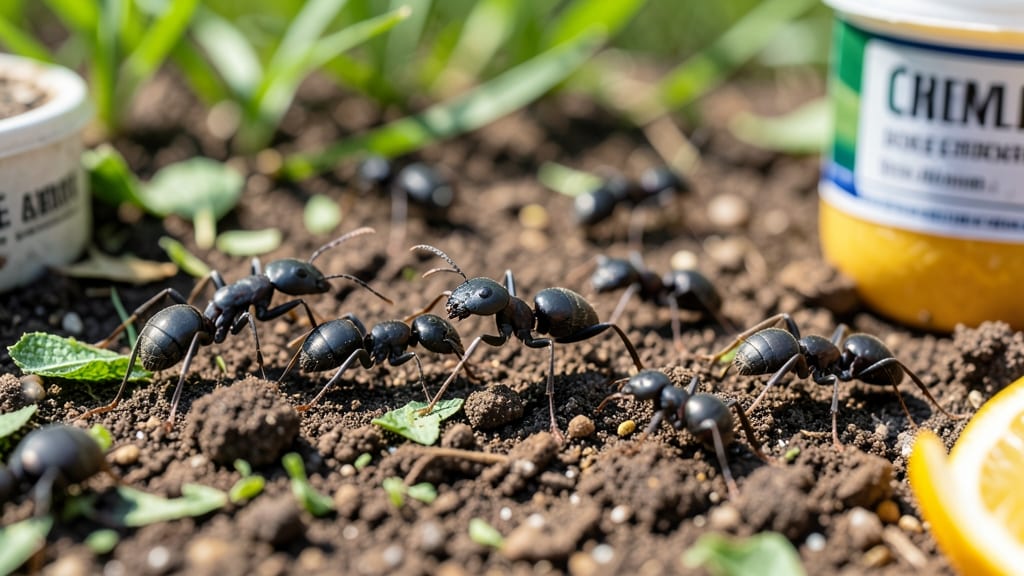
How to get rid of ants in the garden soil naturally—those tiny invaders are stealing nutrients from your plants while making your soil their personal highway. I’ve battled them for years—until I discovered these foolproof natural barriers that actually work without harsh chemicals.
The problem starts when ants create tunnels that disrupt root systems and attract other pests. Most "solutions" just push them deeper into your garden. Instead, we’ll use simple, plant-safe methods like diatomaceous earth, vinegar traps, and nematodes that break their cycle for good.
By the end, your soil stays healthy, your plants thrive, and those pesky mounds disappear—without harming beneficial insects or your garden’s ecosystem. No more digging up hills every weekend. Here’s how to reclaim your garden naturally.
Works for vegetable beds, flower gardens, and even container plants. The key is consistency—once you set these barriers, ants get the message fast. Let’s get started with the easiest methods first.
Root Causes Of Soil Ants
Ants don’t just wander into your garden by accident—they’re following a trail of scent, food, and shelter. Understanding why they’re invading your soil helps you stop them before they build their colonies. Here’s why these tiny pests turn your garden into their highway.
Ants are opportunistic foragers, and your garden soil may be too inviting. Their diet includes:
- Sugary nectar from plants (especially aphids, which ants "farm" for honeydew). Fun fact: Some ant species even protect aphids to keep the sweet supply flowing.
- Protein-rich sources like dead insects, pet food, or composted meat scraps. Problem: If you’ve buried food waste or left pet bowls uncovered, you’ve created a magnet.
- Decaying plant matter—rotting roots, fallen fruit, or mulch. Ants love the moisture and nutrients in decomposing organic material.
Actionable insight: If you’ve noticed ants marching in straight lines, they’re likely following a pheromone trail back to a food source. The faster they move, the closer they are to a feast.
Ants need three things to thrive in soil: moisture, darkness, and stability. Your garden might be offering all three without you realizing it.
| Cause | Why It Matters | Signs You Have It |
|---|---|---|
| Compacted or loose soil | Ants dig tunnels in soil that’s easy to excavate. Sandy or recently tilled soil is a dream for them. | Visible mounds (especially after rain) or disturbed soil patches. |
| Overwatering or poor drainage | Ants need consistent moisture to survive. Waterlogged areas or leaky irrigation create ideal conditions. | Ants near sprinkler heads, drip lines, or soggy mulch. |
| Rocks, logs, or debris | Dark, sheltered spots under organic debris protect ant colonies from predators and weather. | Ant trails leading to hidden crevices or under mulch piles. |
💡 Pro Tip: If your garden has both food sources and moist, undisturbed soil, you’ve essentially built an ant hotel. The solution? Disrupt their comfort zone.
Not all plants repel ants—some attract them. If your garden has these, you might be unknowingly hosting an ant party:
- Sweet-smelling flowers (e.g., roses, lavender, hibiscus) draw ants with their nectar.
- Fruit trees (especially citrus, figs, and apples) provide both food and shelter.
- Vegetables with high sugar content (e.g., corn, squash, melons) are like ant fast food.
- Weeds like clover or dandelions—ants "farm" aphids that live on these plants.
🔍 Watch for: If ants are clustering near specific plants, those are likely their primary food sources. Removing or treating these plants can drastically reduce ant activity.
Ants don’t travel far for a new home—they expand from existing colonies. If you’ve spotted ants in your garden, there’s a 90% chance a nest is nearby, possibly:
- Under a rock, slab, or patio (common for pavement ants).
- In a hollow tree or stump (fire ants and carpenter ants love this).
- Deep in the soil (harvester ants build underground chambers).
- Inside a neighbor’s yard—ants don’t respect property lines!
⚠️ Warning: Some ant species, like fire ants, are aggressive and will defend their territory. If you see them in large numbers, they’re likely recruiting for a bigger colony.
Now that you know why ants are moving into your garden, the next step is cutting off their access—without chemicals. Stay tuned!
Natural Ways to Outsmart Ants
Ants in your garden soil aren’t just a nuisance—they can disrupt plant roots, create unsightly mounds, and even attract pests. But the good news? You can banish them naturally without harsh chemicals.
Below, we’ve mapped out targeted solutions based on the root causes (literally!) of your ant problem, plus prevention tips to keep them from returning. Let’s get started!
Ants thrive in damp soil, so if your garden stays soggy, you’re basically rolling out a welcome mat. Fix it by controlling moisture and making their environment less inviting.
- 💧 Reduce Watering: Water deeply but less frequently—ants avoid dry soil. Aim for early morning so moisture evaporates by evening. - 🌞 Improve Drainage: Amend heavy clay soil with compost or sand to help water drain faster.
Raised beds also work wonders. - ☀️ Use Mulch Strategically: Apply gravel or coarse wood chips (not fine mulch) around plants—ants dislike crawling through rough textures. - 🌡️ Solar-Powered Heat: Place a black plastic sheet over mounds for a few hours—ants will relocate to cooler spots.
💡 Pro Tip: If your soil stays wet year-round, consider installing French drains or redirecting irrigation away from ant-prone areas.
Ants are scavengers, and if they’re raiding your garden, they’re likely drawn to sugar, protein, or greasy residues. Cut off their supply with these tricks:
- 🚫 Clean Up Debris: Remove fallen fruit, rotting veggies, and pet food immediately—these are ant buffets. - 🥛 Avoid Over-Fertilizing: Excess sugar in synthetic fertilizers (like high-nitrogen ones) attracts ants.
Switch to slow-release organic fertilizers or compost tea. - 🍯 Borax or Diatomaceous Earth (DE): Sprinkle food-grade DE (a natural powder) around entry points—it dehydrates ants.
For sweeter cravings, mix 1 tbsp borax + 1 cup sugar + water in a spray bottle and apply near trails (ants carry it back to the colony). - 🌿 Plant Ant-Repelling Herbs: Basil, mint, and lemongrass confuse their scent trails. Plant them near high-traffic areas.
✨ Bonus: Keep bird feeders away—ants love spilled seeds, and birds often bring them to your garden.
If ants are building mounds or tunneling aggressively, they’ve claimed territory. Break their cycle with these colony-busting methods:
- 🔪 Vinegar Barrier: Mix equal parts white vinegar and water, spray directly on mounds and around plants. The strong smell disrupts their pheromone trails. - 🍯 Orange Oil Spray: D-limonene (found in citrus peels) dissolves ant exoskeletons.
Mix 10 drops orange oil + 1 tsp dish soap + 1 cup water, spray into nests (reapply after rain). - 🌱 Coffee Grounds: Sprinkle used, cooled coffee grounds around plants—ants hate the smell and avoid crossing them. - 🏗️ Physical Barriers: Install copper tape (ants avoid it) around pots or garden edges.
For raised beds, line the bottom with cardboard soaked in vinegar (ants won’t cross).
🎯 Targeted Attack: For fire ants, pour boiling water directly into mounds (wear gloves!). For harvester ants, dig out the nest at night when they’re least active.
Sometimes ants team up with aphids, termites, or mealybugs—they “farm” these pests for honeydew. Break the partnership with these steps:
- 🐜 Introduce Predators: Ladybugs, lacewings, and praying mantises eat aphids.
Buy them online or attract them with neem oil sprays. - 🌿 Use Neem Oil: Spray neem oil solution (1 tbsp oil + 1 tsp soap per gallon of water) on plants—it repels both ants and their aphid “cows”. - 🍃 Prune Infested Plants: Trim away heavily aphid-covered leaves and drop them in soapy water (not compost). - 🌱 Companion Planting: Marigolds and garlic deter aphids, which in turn reduces ant interest.
Once you’ve evicted the ants, lock them out with these long-term strategies:
| Problem | Solution | How to Do It |
|---|---|---|
| New ant trails | Cinnamon barrier | Sprinkle ground cinnamon along garden edges (ants avoid it). |
| Pet waste attractants | Clean up promptly | Scoop dog/cat waste daily—ants swarm urine and feces. |
| Weak plants | Strengthen roots | Use compost tea to boost plant health—healthy plants repel pests naturally. |
| Wood mulch draw | Switch to gravel | Replace mulch near entry points with pebbles or crushed eggshells. |
| Cracks in hardscapes | Seal gaps | Fill sidewalk cracks with caulk—ants use them as highways. |
💡 Ultimate Prevention Hack: Rotate your garden layout every few years—ants rely on familiar trails, and new soil disrupts their routines.
Final Reminder: Consistency is key! Ants are persistent, so reapply treatments every 2–4 weeks (or after rain). With these methods, your garden will stay ant-free and thriving—without a single chemical in sight. 🚀
Frequently asked questions
Why do ants suddenly appear in my garden soil after it rains?
Rain triggers ant activity because it softens the soil, making it easier for them to dig and expand their tunnels. The moisture also activates their scent trails, drawing more workers to forage. After heavy rain, check for fresh mounds or disturbed soil—this is when colonies become most visible.
Will diatomaceous earth harm my plants or beneficial insects?
Food-grade diatomaceous earth (DE) is safe for plants when used correctly, but it can harm beneficial insects like bees if inhaled. Sprinkle it only on soil surfaces (not flowers) and reapply after watering. For extra protection, apply in the evening when pollinators are less active.
How long does it take to see results from natural ant treatments?
Most natural methods like vinegar sprays or cinnamon barriers show results within 3-7 days, while colony-level solutions (like orange oil or nematodes) may take 2-4 weeks for full elimination. Consistency is key—reapply every 2 weeks or after rain for best results.
Can I use coffee grounds to repel ants in my vegetable garden?
Yes! Used coffee grounds are excellent for deterring ants when applied correctly. Sprinkle them around plants, but avoid overdoing it—too much can alter soil pH. For best results, mix with crushed eggshells to create a dual barrier that ants won't cross.
What should I do if ants keep returning after I've treated the area?
Persistent ants likely mean you're missing their food source or shelter. Check for hidden trails (especially near pet bowls or compost), and consider physical barriers like copper tape. If the problem continues, investigate deeper—there may be a colony under rocks or in neighboring yards.