
Pests
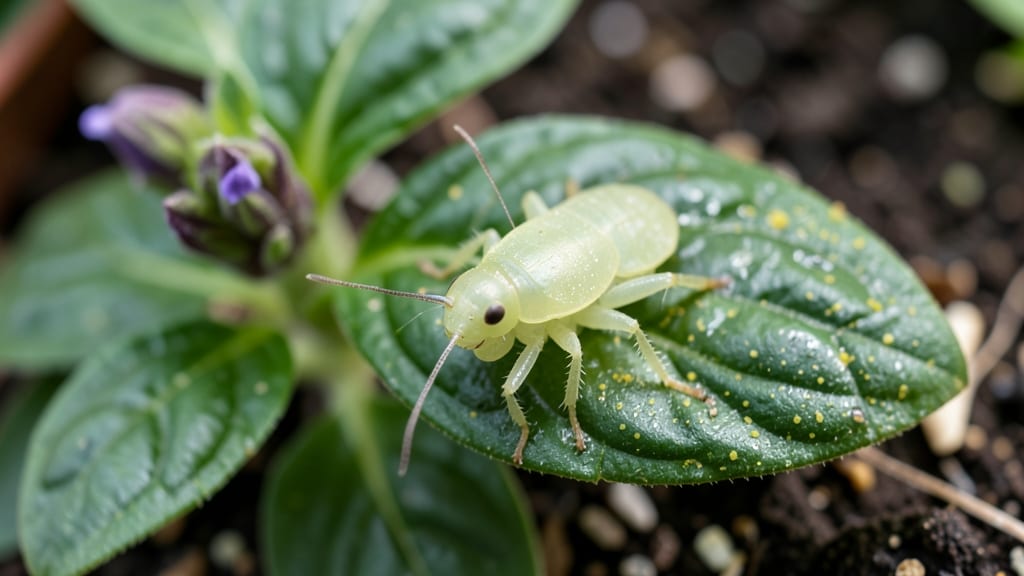
Aphids on basil? Here’s how to get rid of them and save your kitchen herb from sticky, wilted destruction—fast. 🌿 I’ve battled these tiny pests for years, and the soapy water spray I use now clears them off in under 10 minutes without harming the leaves you’ll eat later.
The secret isn’t just soap—it’s timing and technique. Spray in the early morning when aphids are sluggish, cover both sides of leaves, and repeat every 3-4 days until they’re gone.
Add a drop of dish soap to a quart of water, shake well, and let it sit for 20 minutes before rinsing. You’ll see results in 24 hours: fewer aphids, perky leaves, and basil that tastes fresh again.
The spray’s mild enough for edible plants but strong enough to suffocate aphids at their worst. For long-term protection, plant marigolds nearby (their scent repels pests) and invite ladybugs to your garden—they’re aphid-eating superheroes. No more chemical sprays, just a clean, thriving basil plant by harvest time.
Root Causes of Basil Aphids
Aphids on basil aren’t just random pests—they’re drawn to your plants for specific reasons, often tied to environmental conditions, plant health, or even human habits. Understanding these triggers helps you address the problem at its source and prevent future infestations.
Let’s break down the science behind why these tiny sap-suckers invade your basil.
Aphids are opportunists. When basil plants are nutrient-deficient, overcrowded, or struggling, they become prime targets. Here’s why:
- Lack of Nitrogen 🧪: Basil thrives on nitrogen-rich soil, which supports lush, fast-growing leaves—aphids’ favorite snack. When nitrogen levels drop (common in overwatered or depleted soil), plants produce softer, more vulnerable foliage. Aphids detect these chemical cues and flock to weaker stems.
- Overwatering or Poor Drainage 💧🚫: Soggy soil invites fungal diseases (like root rot) and attracts aphids indirectly. Stunted growth from waterlogged roots makes basil less resilient. Actionable fix: Ensure pots have drainage holes and water only when the top inch of soil is dry.
- Pests or Diseases Already Present 🐛🍃: Aphids often follow other pests (like spider mites) or fungal infections (e.g., powdery mildew). Damaged leaves release volatile organic compounds (VOCs) that aphids use as a "come and get it" signal.
Aphids love warmth and humidity—think of them as tiny tropical creatures. Basil in containers or greenhouses creates the perfect aphid paradise:
- Greenhouse or Indoor Growing 🏠🌿: Enclosed spaces trap heat and moisture, accelerating aphid reproduction. A single female aphid can produce 70+ offspring in a week under ideal conditions (60–80°F and 70% humidity).
- South-Facing Windows or Direct Sun ☀️🔥: While basil needs sunlight, intense afternoon heat can stress plants, making them release sugars in their sap—a sticky, aphid-attracting treat. Pro tip: Use shade cloth if temperatures exceed 90°F.
- Lack of Airflow 🌬️❌: Stagnant air prevents basil’s leaves from drying quickly after watering, creating damp pockets where aphids thrive. Overcrowded pots or dense foliage worsen this issue.
Basil isn’t just vulnerable—it’s chemically appealing to aphids. Two key factors play a role:
- High Sugar Content in Sap 🍯🔬: Basil leaves contain phloem sap rich in sugars and amino acids, which aphids inject enzymes to break down and slurp up. When basil is over-fertilized with phosphorus or potassium, sap sugar levels spike—making it a buffet for aphids.
- Pheromone Trails from Other Plants 🌿📡: Aphids release alarm pheromones when threatened, but they also use aggregation pheromones to signal safe feeding spots. If nearby herbs (like mint or dill) already have aphids, your basil is next on the menu.
Sometimes, well-meaning gardening practices accelerate aphid infestations:
- Over-Fertilizing with Nitrogen 🌱💥: While nitrogen boosts growth, excessive use (especially synthetic fertilizers) leads to rapid, tender leaf growth—aphids’ dream. Slow-release organic fertilizers are safer.
- Ignoring Beneficial Insects 🐞🛑: Aphids are prey for ladybugs, lacewings, and parasitic wasps. If you’ve used broad-spectrum pesticides (even on other plants), you may have wiped out these natural predators, leaving aphids unchecked.
- Propagating Infested Cuttings ❌🌿: Aphids hide in leaf axils or on stems. Using cuttings from an infested basil plant guarantees you’ll introduce them to new pots. Always inspect and quarantine new plants for 48 hours.
Aphids are seasonal pests, with peaks in spring and early summer. But climate shifts can extend their reign:
- Sudden Temperature Drops ❄️🔥: Aphids thrive in moderate temperatures but go dormant in extreme cold. However, a warm spell after frost can shock plants into stress, making them aphid magnets.
- Drought Followed by Heavy Rain 💦🌵: Basil under drought stress produces thicker, waxier leaves—aphids’ least favorite texture. But when rain hits, the sudden hydration softens leaves overnight, signaling aphids to attack.
- Urban Pollution or Pesticide Drift 🏙️💨: Residual chemicals from nearby lawn treatments can weaken basil’s defenses, making it easier for aphids to colonize. Organic mulch or physical barriers (like row covers) help mitigate this.
Quick Fixes for Basil Aphids
Aphids on basil can feel like a tiny, sticky disaster—but don’t panic! These pests are manageable with the right approach. Below, we’ve mapped out practical, fast-acting solutions tailored to the most common causes of infestations. Plus, we’ll share prevention tips to keep your basil thriving long-term.
Aphids love hiding in dense foliage where airflow is poor.
If your basil is packed too tightly: - 🍳 Prune aggressively: Snip off crowded stems, leaving space between leaves for sunlight and air circulation. - 👨🍳 Repot if needed: Move plants to larger containers if roots are bound, giving them room to grow. - 🌱 Space new plants: When transplanting, keep basil 6–12 inches apart to deter aphid clusters.
💡 Pro Tip: Remove heavily infested leaves immediately—aphids spread faster than you think!
Aphids target weak plants. If your basil looks wilted or yellowing: - 💧 Water at the base: Avoid overhead watering (it encourages fungal issues and attracts aphids). Use a watering can with a narrow spout to soak soil directly. - 🌡️ Fertilize lightly: Over-fertilizing stresses plants.
Use a balanced, diluted fertilizer (like 10-10-10) every 4–6 weeks. - ☀️ Ensure 6+ hours of sunlight: Basil needs full sun to stay strong. Move potted plants to a sunnier spot if indoors.
✨ Bonus: A weekly foliar spray with compost tea (1 tbsp compost + 1 gallon water) adds nutrients and deters pests naturally.
If you’ve spotted aphids, combine these methods for the best results:
1.
Soapy Water Spray (Instant Relief) (Yes, it’s that soapy water spray from the title—here’s how to do it right!) - 🔪 Mix: 1 tbsp mild castile soap (like Dr. Bronner’s) or dish soap (no fragrances!) + 1 quart water. - 💦 Spray thoroughly: Coat both sides of leaves and stems, focusing on aphid hotspots.
Repeat every 2–3 days until gone. - ⏰ Best time: Early morning or late evening (soapy water can burn leaves in direct sun).
⚠️ Warning: Test on a few leaves first—some basil varieties are sensitive to soap.
2. Blast Them Away (No Chemicals)
- 💨 Use a strong stream of water: Aphids hate being displaced. Hold a hose 6–12 inches away and spray infested areas for 10–15 seconds.
- 🕷️ Encourage predators: Ladybugs, lacewings, and parasitic wasps love aphids.
Buy them online or attract them with dill or fennel planted nearby.
3. Neem Oil (For Stubborn Infestations)
- 🌿 Mix: 1 tbsp neem oil + 1 tsp mild soap + 1 quart water. Shake well.
- 🍃 Spray at dusk: Neem disrupts aphid life cycles.
Reapply every 5–7 days for 2–3 weeks. - 🚫 Avoid eating sprayed leaves for 24 hours (neem is organic but not edible fresh).
Once you’ve kicked them out, lock them out with these habits:
- 🌱 Rotate crops: If growing basil in the ground, avoid planting in the same spot next year (aphids overwinter in soil).
- 🍃 Inspect new plants: Always quarantine new basil purchases for 1–2 weeks before introducing them to your garden.
- 🌿 Plant companion herbs: Marigolds, garlic, or thyme repel aphids naturally.
- 🧼 Clean tools: Sterilize pruners with rubbing alcohol between uses to avoid spreading pests.
Final Thought: Aphids may be pesky, but basil is resilient! With soapy water sprays, better airflow, and a little TLC, your plants will bounce back—and stay aphid-free. 🌿💚
Frequently asked questions about basil aphids
Why does my basil keep getting aphids even after I treat it?
Persistent aphids often mean hidden causes like overcrowded plants or nutrient deficiencies. Prune leaves to improve airflow and fertilize lightly with balanced organic fertilizer. Also check nearby plants—aphids spread quickly between herbs.
Is soapy water safe for all basil varieties?
Most basil types tolerate mild soap solutions, but Genovese or Purple basil can be more sensitive. Always test a small leaf first and use no more than 1 tablespoon of mild castile soap per quart of water. Rinse leaves thoroughly before cooking.
How long does neem oil take to work on aphids?
Neem oil shows results within 24-48 hours but requires 2-3 weeks of consistent application (every 5-7 days) to fully eliminate aphids and their eggs. Spray at dusk for best effectiveness and avoid harvesting treated leaves for 24 hours.
Can I still use my basil leaves after treatment?
Yes! After soapy water or water blasts, you can harvest immediately. For neem oil or insecticidal soap, wait 24 hours before using treated leaves. Always wash leaves thoroughly before cooking to remove any residue.
What's the best way to prevent aphids from returning?
Combine these strategies:
- Plant marigolds nearby (natural repellent),
- Encourage ladybugs by adding dill or fennel,
- Prune regularly for airflow, and
- Inspect new plants before adding to your garden. Rotate crops yearly if growing in ground.