
How To
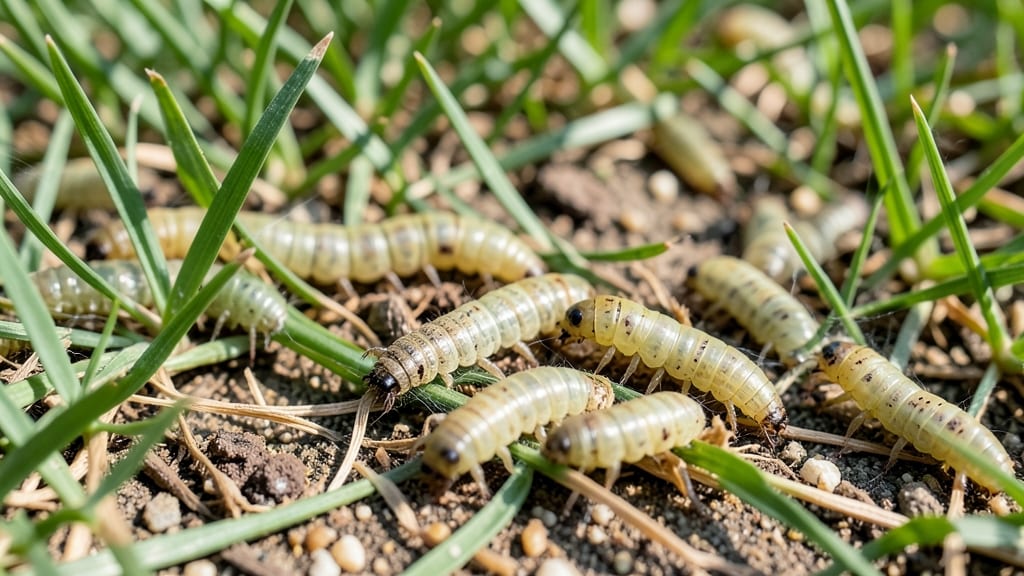
Here’s how to get rid of army worms in the grass before they strip your lawn to the roots—fast. The good news? A simple boil-and-pour barrier can smother these striped pests before they devour your yard in hours.
I’ve used this method after watching my backyard go from lush green to skeletal brown overnight.
The secret weapon is a hot water and dish soap mix poured along the lawn’s edge. Army worms can’t cross this barrier, and it works in under an hour.
For stubborn infestations, add Bacillus thuringiensis (Bt), a natural bacteria that kills larvae without harming your lawn. Just stir, spray, and watch them retreat.
By morning, your grass will look revived, and the worms will be history. The trick is acting fast—these pests multiply overnight. Once you’ve contained them, focus on overseeding bare spots and encouraging beneficial nematodes to keep them away for good.
This method works in spring and summer, when army worms are most active. For heavy infestations, repeat every 5-7 days until the threat is gone. No more waking up to a lawn that looks like it’s been chewed by locusts.
Root Causes of Army Worm Outbreaks
Army worms—those voracious caterpillars that turn lush lawns into patchy brown wastelands—don’t just appear out of nowhere. Their infestations are the result of a perfect storm of environmental, ecological, and even human-influenced factors.
Understanding why they strike so aggressively is the first step in stopping them before they devour your grass. Let’s break down the key triggers:
Army worms (typically Pseudaletia unipuncta or Spodoptera frugiperperda) thrive in warm, humid conditions—think late spring to early summer when temperatures hover between 75°F and 85°F (24°C–29°C). Here’s why your lawn becomes their favorite breeding ground:
- Lush, tender grass: Army worms prefer young, soft blades of grass (like newly seeded lawns or overwatered turf) because they’re easier to chew through. Mature, coarse grass is less appealing.
- Excessive moisture: Overwatering or poor drainage creates a damp environment that keeps soil temperatures ideal for egg-laying. Dry soil slows their development—they need moisture to survive.
- Thatch buildup: A thick layer of thatch (dead grass, roots, and debris) traps heat and moisture, mimicking the tropical conditions army worms love. Thin thatch (½ inch or less) reduces their hiding spots.
Pro Tip: 🔥 Mow high (3–4 inches) in summer to toughen grass blades and reduce their appeal. Avoid nighttime watering—cool, damp grass overnight is an invitation for moths to lay eggs.
Army worms start as eggs laid by adult moths, which are excellent fliers and can travel up to 20 miles (32 km) per night on wind currents. Here’s how they find your yard:
- Light pollution: Artificial lights (porch lights, streetlights) attract moths, luring them to lay eggs in well-lit areas. Switch to warm-toned bulbs or motion-activated lights to deter them.
- Wind patterns: Moths follow prevailing winds, often arriving in waves. Coastal areas or regions with frequent storms see more outbreaks.
- Crop fields nearby: Corn, sorghum, and other grasses act as initial hosts. When these crops mature, moths migrate to lawns for fresh grazing.
Fun Fact: 🌡️ A single female moth can lay 1,000–2,000 eggs in one night—imagine the chaos that creates!
Most home lawns are monocultures—one type of grass planted uniformly. This simplicity makes them a buffet for army worms:
- No natural predators: Diverse lawns with clover, wildflowers, or native grasses attract beneficial insects (like parasitic wasps and ground beetles) that prey on army worms. Monocultures lack this defense.
- Uniform growth stages: In a mixed lawn, some plants are mature while others are young. Army worms target the tender shoots, but the variety disrupts their feeding patterns.
- Chemical overuse: Heavy pesticide use can kill natural predators (like birds and toads) faster than it kills army worms, leaving your lawn even more vulnerable.
Pro Tip: ✨ Add 10–20% clover or white Dutch clover to your lawn—it’s drought-resistant, fixes nitrogen in the soil, and disrupts army worm feeding patterns.
Global warming and erratic weather patterns are supercharging army worm outbreaks. Here’s how:
- Warmer winters: Milder winters allow moths to survive in larger numbers, leading to bigger populations the following spring.
- Heavy rainfall followed by heat: Sudden downpours soften grass, making it easier for worms to feed, while the subsequent heat speeds up their growth cycle.
- Drought stress: While army worms dislike extreme dryness, drought-stressed grass is more susceptible to damage once they arrive because the roots are weakened.
Data Note: 📊 Studies show army worm outbreaks are 30% more frequent in regions with 5+ consecutive days above 80°F (27°C) during their active season.
Now that you know why army worms target your lawn, the next step is proactive defense—because once they’re there, they move fast. Stay tuned for our boil-and-pour barrier method to smother them in hours!
How to solve it
Army worms may seem like a relentless foe, but with the right strategies, you can reclaim your lawn in no time. The key is to act fast—these pests multiply rapidly, and delays can turn a small problem into a full-blown infestation.
Below, we’ve mapped out targeted solutions based on the most common causes of army worm outbreaks, along with practical steps to eliminate them and prevent future invasions.
One of the fastest and most effective methods to kill army worms is the boil-and-pour barrier technique. This approach leverages heat and natural suffocation to eliminate larvae without harsh chemicals.
- 🔥 Step 1: Boil Water Fill a large pot or kettle with water and bring it to a rolling boil. For every gallon of water, add 1 tablespoon of dish soap (the soap breaks down the larvae’s protective coating).
- 🍳 Step 2: Locate the Infestation Army worms hide in the thatch layer of the grass, so gently lift a small section of turf to spot their tunnels or feeding patterns. Focus on areas with window-pane-like damage or chewed grass blades.
- 👨🍳 Step 3: Pour the Solution Slowly pour the boiling-soapy mixture directly onto the infested areas. The heat will kill larvae on contact, while the soap ensures they can’t escape. Cover a 6-inch radius around visible damage for full coverage.
- ⏰ Step 4: Repeat as Needed Check the area after 24–48 hours. If you spot more damage, repeat the process. This method is non-toxic to pets and kids once cooled, making it a safe choice for families.
✨ Pro Tip: For large lawns, use a garden sprayer filled with the boiling-soapy mix. Just ensure you’re wearing gloves to protect your hands!
If you prefer a chemical-free approach, biological controls like beneficial nematodes or parasitic wasps can help. These tiny predators target army worm larvae without harming your grass.
- 🔍 Step 1: Identify the Right Predator
- Nematodes (e.g., Steinernema carpocapsae): Microscopic worms that infect and kill larvae within 48 hours. Best applied in the evening when soil is moist.
- Parasitic Wasps (e.g., Cotesia marginiventris): These wasps lay eggs inside army worm larvae, which then hatch and consume the pest from within.
- 💡 Step 2: Apply Nematodes Mix nematodes with water (follow package instructions) and apply to the lawn using a sprayer or watering can. Water the area lightly afterward to help them penetrate the soil.
- 🌡️ Step 3: Create Ideal Conditions Nematodes thrive in cool, moist soil (60–80°F). Avoid applying them during extreme heat or drought. If your lawn is dry, water it first to activate the nematodes.
🎯 Pro Tip: Combine nematodes with milky spore (a natural bacteria that targets grubs) for long-term prevention. Reapply every 4–6 weeks during peak army worm season (spring and fall).
For severe infestations, chemical treatments like Bt (Bacillus thuringiensis) or pyrethrin-based insecticides can provide rapid relief. These are safe for organic lawns when used correctly.
Treatment
How to Apply
When to Use
Bt (e.g., Dipel, Ganap)
Mix with water and spray evenly over the lawn. Focus on areas with fresh damage. Reapply every 7–10 days if needed.
Best for young larvae (within 24 hours of hatching). Safe for pets once dry.
Pyrethrin (e.g., PyGanic)
Spray directly onto infested grass. Works within 1–2 hours. Avoid applying if rain is forecasted within 24 hours.
Use for active infestations—not a preventative. Toxic to bees and fish; apply in the evening.
⚠️ Warning: Always read the label before applying chemicals. Wear gloves and avoid breathing in spray mist. If using near water sources, follow local regulations.
The best way to deal with army worms is to prevent them from moving in. Here’s how to fortify your lawn:
- 🌿 Maintain Healthy Grass
- Mow regularly to prevent thatch buildup (army worms love thick, hidden layers).
- Fertilize in early spring to encourage strong root growth.
- Avoid overwatering—keep soil moist but not soggy.
- 🕵️ Monitor for Early Signs
- Walk your lawn weekly during army worm season (April–June, September–October).
- Look for irregular brown patches or window-pane damage.
- Shake grass blades over a white bucket—if you see greenish-brown caterpillars, act fast!
- 🐞 Encourage Natural Predators
- Plant native wildflowers to attract birds, toads, and ground beetles (all army worm hunters).
- Avoid broad-spectrum pesticides that kill beneficial insects.
- 🔄 Rotate Treatments
- Alternate between Bt, nematodes, and cultural controls to prevent resistance.
- Apply milky spore in early spring to target grubs before they turn into moths.
💡 Pro Tip: If your neighbors have army worms, treat your lawn as a buffer zone. Moths can fly up to 3 miles, so a little prevention goes a long way!
Frequently asked questions
How do I know if my grass has army worms?
Look for irregular brown patches with a window-pane effect—like someone cut out sections with scissors. Shake grass blades over a white bucket: if you see greenish-brown caterpillars (1-2 inches long) with stripes, you’ve got army worms. Check for frass (black droppings) on the grass blades too.
Is the boil-and-pour method safe for pets and kids?
Yes! Once the boiling water cools, it’s completely safe. The dish soap breaks down quickly and won’t harm pets or children. Just wait 30-60 minutes before letting pets back on treated areas. Avoid using harsh soaps or detergents—stick to mild dish soap only.
Will army worms come back after I treat them?
Possibly—moths can fly in from nearby areas. To prevent recurrence, combine treatments: use Bt spray every 7-10 days during peak season (spring/fall) and apply beneficial nematodes in early spring. Also, mow high (3-4 inches) to discourage new infestations.
Can I use vinegar instead of dish soap for the boil-and-pour method?
No—vinegar won’t work as effectively. The soap is crucial because it breaks down the larvae’s protective coating, while vinegar’s acidity could harm your grass. Stick to mild dish soap (1 tbsp per gallon) for best results without damaging your lawn.
How long does it take to see results after applying Bt?
Bt works fastest on young larvae (within 24 hours of hatching). You’ll typically see results in 2-5 days, but larger larvae may take up to 7 days to be affected. Reapply every 7-10 days during active season for best protection.