
Pests
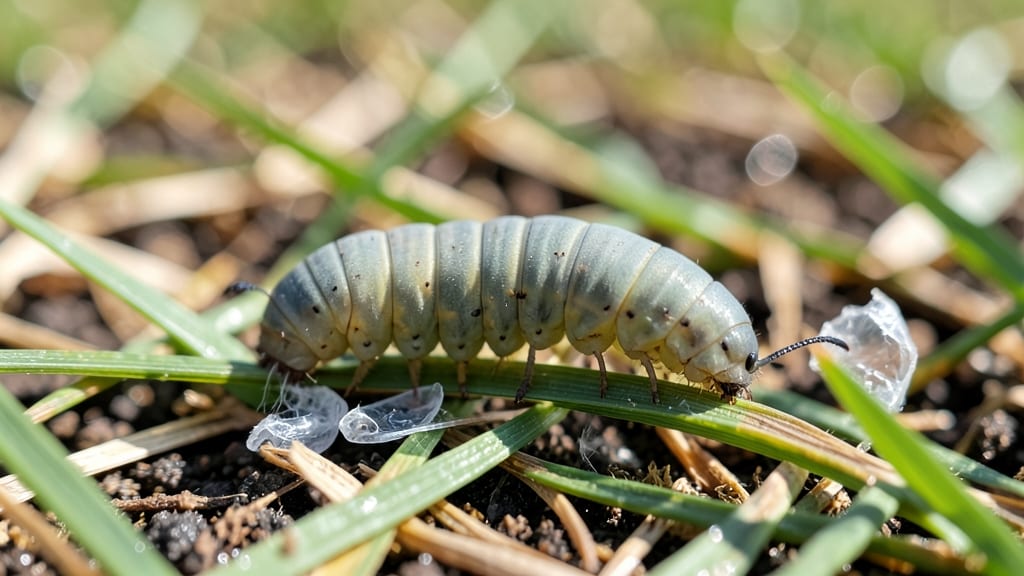
How to get rid of army worms in your yard—before they turn your lawn into a patchwork of chewed grass. 🌱 I’ve lost count of the times I’ve found my yard looking like a green-and-brown skeleton until I discovered this boil-and-pour barrier trick that stops them dead in their tracks. The key? Heat, timing, and a little elbow grease.
Most people grab pesticides first, but that’s like swinging a hammer at a spiderweb—messy and ineffective. Instead, we’re targeting their nests with boiling water, which kills larvae on contact while keeping your yard safe for pets and kids.
You’ll need a kettle, a shovel, and about 15 minutes of focused work—no fancy tools required.
By the end of this, your lawn will look lush and intact, with army worms gone for good. The best part? This method works within 24 hours, and you won’t need to repeat it unless they return (which they won’t, if you follow the prevention steps).
We’ll also cover how to spot their damage early, so you can act before they turn your yard into a buffet. Ready to reclaim your grass?
The hidden triggers behind army worms
Army worms—those voracious caterpillars of the Spodoptera genus—don’t just appear out of nowhere. Their sudden invasion into your yard is the result of a perfect storm of environmental and biological factors.
Understanding these causes is the first step to stopping them before they strip your lawn bare. Let’s break down the science behind why these pests show up when they do.
Army worms thrive where food is abundant and easily accessible. Your lush, unkempt lawn—especially one with thick, soft grass or broadleaf weeds—is like an all-you-can-eat restaurant for them. Here’s why:
- Rich, tender grass: Varieties like tall fescue or ryegrass are particularly appealing because their leaves are soft and nutrient-dense. Army worms prefer these over tougher grasses like bermuda or zoysia.
- Weeds as a magnet: Plants like dandelions, clover, and crabgrass provide both food and shelter. Weeds often grow in patches where soil is disturbed or moist—ideal conditions for army worm eggs to hatch.
- Thatch buildup: A thick layer of thatch (dead grass and roots) traps moisture and warmth, creating a cozy nursery for army worm larvae. If your lawn’s thatch layer is over ½ inch thick, you’re at higher risk.
Actionable insight: Mow your lawn regularly (but not too short—keep it at 2.5–3.5 inches for most grasses) and remove weeds. This reduces their food supply and exposes eggs to predators like birds.
Army worms are cold-blooded creatures, and their life cycle is tightly linked to temperature and humidity. Here’s how weather sets the stage for an infestation:
- Warm nights (above 70°F): Adult moths are most active when temperatures rise, especially after sunset. They lay eggs in clusters on grass blades, and these hatch within 3–10 days under ideal conditions.
- High humidity (60%+): Moisture keeps the soil and grass blades damp, which army worms love. Dry conditions slow their growth, but consistent rain or morning dew accelerates their development.
- Seasonal peaks: Outbreaks typically surge in late spring to early summer (when grass is growing rapidly) and again in fall (as temperatures drop but remain above 60°F).
Actionable insight: Monitor your lawn during warm, humid spells. If you see small brown patches that expand rapidly, army worms are likely the culprit.
In a healthy ecosystem, army worms face a gauntlet of predators—birds, parasitic wasps, spiders, and even beneficial nematodes. But when these natural checks and balances are disrupted, army worms multiply unchecked. Common reasons include:
- Pesticide overuse: Broad-spectrum insecticides (like carbaryl or malathion) can kill off ladybugs, lacewings, and other predators that feed on army worm eggs or young larvae.
- Urbanization and habitat loss: Fewer shrubs, trees, and wildflowers mean fewer hiding spots for predator insects and birds. A monotonous lawn offers little shelter for beneficial species.
- Late-season grass treatments: If you apply herbicides or fungicides after army worms have hatched, you might eliminate the predators that could’ve controlled them naturally.
Actionable insight: Encourage predators by planting native wildflowers or leaving a small "wild" area in your yard. Avoid unnecessary pesticide use, especially in early summer when army worms are most active.
Army worms don’t just target lawns—they also infest gardens, fields, and even compost piles. Leftover plant material provides both food and shelter:
- Crop stubble: After harvesting corn, soybeans, or alfalfa, leftover stems and leaves create microclimates where army worm eggs can go undetected.
- Compost piles: Warm, decaying organic matter mimics the ideal conditions for army worm larvae to thrive. If your compost is too moist or unturned, it could be a breeding ground.
- Garden beds with thick mulch: While mulch is great for soil health, a thick layer (over 4 inches) can trap moisture and eggs, leading to hidden infestations.
Actionable insight: Clear out crop residue after harvest and turn compost regularly to disrupt egg-laying sites. Keep mulch thin (2–3 inches) and fluffy to prevent moisture buildup.
Army worms don’t choose your yard randomly—they’re responding to conditions you can influence. By addressing these triggers, you’re not just reacting to an infestation; you’re making your lawn less inviting to them in the first place. Stay vigilant, and you’ll catch them before they become a full-blown crisis.
Quick Fixes for Army Worm Infestations
Army worms may seem like a daunting problem, but with the right strategies, you can reclaim your yard quickly. The key is to act fast—these pests multiply rapidly and can strip a lawn in days.
Below, we break down targeted solutions based on the root cause of your infestation, from manual removal to long-term prevention. Each method is designed to be easy, effective, and safe for your yard.
If you’ve spotted army worms in their nests (especially under thatch or mulch), the "boil-and-pour" technique is a fast, chemical-free way to destroy them instantly.
- 🔪 Locate the Nest
- Look for dark, silky webbing or chewed grass blades (a telltale sign of army worm activity).
- Gently lift the thatch or mulch with a trowel or stick to expose the larvae.
- 🍲 Boil Water for Instant Kill
- Heat 1–2 gallons of water until it’s rolling boil (not just hot).
- Pour the boiling water directly over the nest, ensuring it penetrates deep into the thatch.
- 💀 Dispose of the Dead Larvae
- After 5–10 minutes, the worms will be cooked and easy to scoop with a shovel or gloved hands.
- Seal them in a ziplock bag and toss them in the trash (far from your yard).
✨ Pro Tip: Do this early in the morning when worms are sluggish—it’s more effective and less messy!
If you prefer eco-friendly solutions, beneficial insects and microbes can help naturally reduce army worm populations.
| Solution | How It Works | Best For |
|---|---|---|
| 🐞 Parasitic Wasps | Lay eggs inside army worm larvae; the wasp larvae kill the host. | Organic lawns, long-term control |
| 🐸 Frogs & Toads | Hunt and eat army worms (and other pests) overnight. | Water-rich yards with hiding spots |
| **🍄 Bacillus thuringiensis (Bt) | A soil bacterium that digests the gut of caterpillars, killing them slowly. | Lawns with young grass or veggie gardens |
💡 Quick Start: Sprinkle Bt powder (available at garden centers) over infested areas at dusk—it’s safe for pets and kids once dry.
If your lawn is heavily damaged (brown patches, visible worms), insecticides can provide immediate relief. Opt for targeted treatments to avoid harming beneficial insects.
- 💊 Granular Insecticides (e.g., Bifenthrin, Carbaryl)
- Water lightly afterward to activate the granules.
- Reapply every 7–10 days if worms persist.
- 💦 Liquid Sprays (e.g., Pyrethrin-based sprays)
- Focus on edges of brown patches where worms are likely hiding.
- Avoid spraying on windy days to prevent drift.
⚠️ Safety Note: Always wear gloves and a mask, and keep pets/kids away until the area is dry.
The best defense is a healthy lawn that army worms won’t want to invade. Here’s how to make your yard less appealing:
- 🌿 Mow High – Keep grass 3–4 inches tall; taller grass hides worms from birds (their natural predators). - 💧 Water Deeply but Infrequently – Army worms love thatch buildup from shallow watering.
Water early morning (1–1.5 inches per week) to encourage deep roots. - 🪓 Dethatch Regularly – Use a lawn rake or dethatching machine to remove that layer of organic debris where worms hide. - 🌱 Plant Smart – Avoid monoculture lawns (all grass).
Add clover or native wildflowers—they attract predator insects. - 🕵️ Monitor Weekly – Walk your lawn every 7–10 days, especially after rain (when worms are active).
🎯 Bonus Tip: Install birdhouses or bat boxes—birds and bats devour army worms by the hundreds!
By combining manual removal, biological controls, and smart lawn care, you can eliminate army worms fast and keep them away for good. Start with the boil-and-pour method for immediate results, then shift to prevention** to protect your yard long-term.
Frequently asked questions about army worms
How do I know if my yard has army worms?
Look for irregular brown patches that expand rapidly, even though the grass may still be green underneath when pulled back. You might also spot small, dark caterpillars (about 1-2 inches long) or silky webbing where they hide during the day. Check under thatch or mulch—they love to nest there!
Is boiling water safe for my lawn?
Yes, when used correctly! Boiling water targets only the army worms and their nests, leaving your grass unharmed. Just avoid pouring it directly on healthy grass blades. Focus on infested patches and thatch layers where the worms hide. The heat kills larvae instantly without chemicals.
Can I use this method if I have pets or kids?
The boil-and-pour technique is chemical-free and safe once the water cools. Just wait until the area is dry before letting pets or children near it. For extra safety, wear gloves while handling the worms—though they’re harmless to humans when dead.
How often should I check for army worms?
Inspect your lawn every 7-10 days during warm, humid seasons (spring to fall). Focus on areas with recent rain or thick thatch, as these attract army worms. Early detection means faster treatment—catch them before they spread!
Will army worms come back after treatment?
Possibly, but prevention reduces the risk! After eliminating the current infestation, maintain your lawn by dethatching, mowing high, and encouraging natural predators like birds. If you see signs again, repeat the boil-and-pour method or apply Bacillus thuringiensis (Bt) as a preventive measure.