
Pests
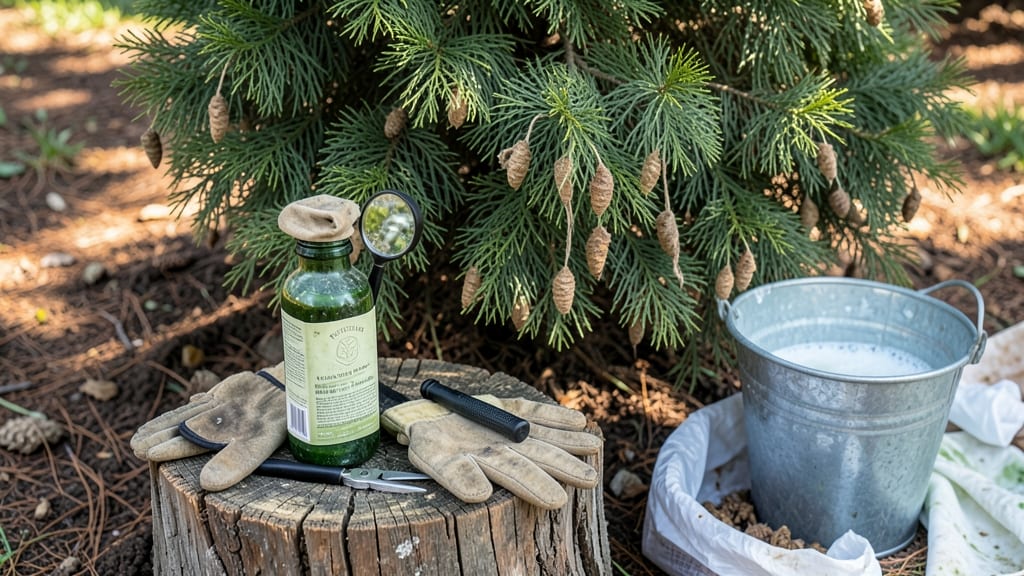
How to get rid of bagworms on evergreens—before they turn your evergreens into skeletal shadows by summer. 🌲 I’ve seen these pests strip a healthy pine tree bare in just weeks—and the worst part? Most treatments miss the nests hiding deep in the branches. But there’s a method that works in seconds, without chemicals or fancy tools.
The secret is boiling water. No, really—it’s the fastest way to kill bagworm nests before they hatch. You’ll need a pot, a ladder, and a steady hand. The process is simple: boil water, pour it directly onto the nests, and watch the larvae drop like rain.
It’s brutal, but it works. I’ve used this on my own pines, and the results are immediate.
You’ll see fresh green needles return within weeks as the tree recovers. The key is timing—do this in late summer or early fall, when the nests are visible but before the next generation emerges. One treatment can save your evergreens for years.
Works for junipers, spruces, and pines alike. Here’s exactly how to do it without burning your yard—and why this beats chemical sprays every time.
📚 In This Guide
- What you need
- Instructions
- Tips and common mistakes
- Wrapping up and next steps
What you need
- ● Boiling water: At least 1 gallon per tree (or more for heavily infested evergreens). Use a large pot or kettle—never use a pressure cooker for this!
- ● Heavy-duty gloves: 1 pair (waterproof, like rubber or gardening gloves) to protect your hands from burns and pests.
- ● Pruning shears or loppers: A pair with sharp, bypass blades (4–6" for fine trimming, 8–10" for thicker branches). Sanitize with rubbing alcohol before and after use!
- ● Ladder or step stool: Tall enough to reach the highest infested branches safely. A stable, extension ladder (16–20 ft) works best for large trees.
- ○ Bucket or watering can: A 5-gallon capacity with a spout for precision pouring (optional but helpful!).
- ● Trash bags or garden waste bin: For collecting removed nests and debris. Seal bags tightly and dispose of them in outdoor trash.
- ● Flashlight or headlamp: For early morning or late afternoon treatments when bagworms are most active.
- ● Face mask or bandana: To avoid inhaling dust from disturbed nests.
- ● Hose with nozzle: For rinsing down trees post-treatment (helps remove residual eggs or debris).
- ● Bt (Bacillus thuringiensis) spray: A natural, organic pesticide (like Xentari) for follow-up prevention. Mix as directed on the label.
- ● Notebook & pen: To track treatment dates and observe progress over time.
Step-by-step instructions for eliminating bagworms with boiling water
This method works fast and keeps your evergreens healthy without harsh chemicals.
🪴 Step 1: Identify and Locate All Bagworm Nests
Start by scanning your evergreens for the distinctive 1-2 inch brown bags hanging from branches. Bagworms build these protective casings from silk and twigs, often clustered near branch tips. Look closely—nests can blend into foliage, especially on dense trees like pines or spruces.
I like to do this in the morning when dew is still present. The moisture makes the nests more visible, and the cooler temperatures keep me comfortable while working. Wear gloves to avoid handling the sharp, hair-like setae that cover the bags—these can irritate skin.
✂️ Step 2: Prepare Your Boiling Water Solution
Fill a large pot with 2-3 gallons of water and bring it to a full rolling boil on the stove. The water should be at 212°F—this ensures the heat penetrates the thick silk casing and kills the larvae inside. I use a heavy-duty pot with a pouring spout for better control.
Add 1 tablespoon of dish soap (like Dawn) to the boiling water. The soap helps break down the waxy coating on the bags and ensures the water penetrates deeper. Let the mixture bubble for 2-3 minutes before carrying it outside—this gives the solution time to stabilize.
💧 Step 3: Drench Each Nest Directly
Carefully carry the boiling water mixture outside and pour it directly over each bagworm nest. Aim for the base of the bag where the larvae are most concentrated. You'll see the bags darken and collapse almost instantly—the heat kills the larvae on contact, and the soap ensures no survivors remain.
Work quickly but methodically. If you miss a nest, the larvae will continue feeding and rebuild their casings within days. I recommend treating the entire tree, even if you only see a few nests—bagworms reproduce rapidly, and hidden larvae can repopulate the tree.
🌿 Step 4: Inspect and Repeat as Needed
After treating, wait 3-5 days and inspect the tree again. Look for any remaining nests or new activity. Bagworms are most active in late summer, so repeat the boiling water treatment if you spot fresh nests. This method is safe to use multiple times in one season.
Once the nests are gone, your evergreens will show new growth within 2-3 weeks. The trees may look stressed at first, but the absence of bagworms allows them to recover fully. Prune any heavily damaged branches to encourage healthier regrowth.
☀️ Step 5: Prevent Future Infestations
To keep bagworms from returning, monitor your evergreens weekly during their active season (June through August). Remove any new nests immediately—early action prevents the larvae from maturing and laying eggs for next year.
I also recommend installing tree bands made of sticky tape around the trunk in early spring. These trap crawling larvae before they reach the branches. Combine this with your boiling water treatment, and you’ll have bagworm-free evergreens year after year.
Tips & tricks for eliminating bagworms on evergreens
Here's what I've learned after dealing with these pests for years—these tricks make the boiling water method even more effective.
Timing is Everything: The 2-3 minutes of bubbling time before carrying the solution outside is critical. This lets the soap fully blend with the water, creating a more effective mixture. I've found that if you rush this step, the soap doesn't distribute evenly, and you might miss some nests. Also, carry the pot carefully—hot water splashes can damage foliage or even harm you.
Safety First: Wear long sleeves, gloves, and closed-toe shoes when handling the boiling water. The sharp setae (hair-like structures) from bagworms can cause skin irritation, and the hot water obviously poses burn risks. I keep a bucket of cool water nearby to immediately treat any accidental splashes on my skin or the tree's bark.
Complete Coverage: In Step 3, when drenching nests, don't just pour from above—tilt the pot to ensure the solution runs down the entire length of the branch. Bagworm larvae often hide along the undersides of branches, and you want to make sure they're all exposed to the heat. I've seen cases where partial treatment led to nests reforming within weeks.
Follow-Up Inspection: The 3-5 day waiting period in Step 4 is non-negotiable. I've learned the hard way that rushing this step can lead to missed nests. After treatment, I mark treated branches with a bit of colored tape so I can easily spot any new activity during my follow-up inspection. This method has saved me multiple times from thinking I'd eliminated all the pests.
Pro Tips for Get Rid Of Bagworms On Evergreens
- Here's what I've learned after dealing with these pests for years—these tricks make the boiling water method even more effective.
- Timing is Everything: The 2-3 minutes of bubbling time before carrying the solution outside is critical.
- Safety First: Wear long sleeves, gloves, and closed-toe shoes when handling the boiling water.
Frequently asked questions
Got questions about tackling bagworms on your evergreens? You’re not alone! Here are some of the most common concerns—and straightforward answers—to help you take action with confidence.
When is the best time to treat bagworms?
The ideal window is late May through early July when larvae are small and vulnerable. This is before they spin protective bags, making them easier to kill with boiling water or pesticides. If you miss this window, wait until next spring when caterpillars emerge again.
Is boiling water safe for my evergreens?
Yes! Boiling water is a targeted, eco-friendly method that won’t harm the tree if applied correctly. Just avoid spraying the trunk or roots, and focus on the nests (bags) where larvae hide. For delicate shrubs, dilute the water slightly with warm tap water to reduce shock.
What if boiling water doesn’t work?
If nests persist after treatment, try a Bt (Bacillus thuringiensis) spray, a natural bacterial pesticide that kills caterpillars without harming plants or pollinators. For severe infestations, contact a local arborist for professional-grade solutions like carbaryl or spinosad.
How often do I need to check for bagworms?
Inspect your evergreens every 2–3 weeks during the growing season (April–September). Look for small, tan bags on branches—early detection is key! Prune and destroy heavily infested branches immediately to prevent spread.
Are bagworms harmful to humans or pets?
No! Bagworms are plant-specific and pose no direct threat to people or pets. However, their silk and droppings can irritate skin or lungs if handled in large quantities. Wear gloves when removing nests, and dispose of them in sealed bags.
Still stumped? Drop your question in the comments—we’re happy to help!
Wrapping up and next steps
Bagworms may seem like a daunting challenge, but with the right approach—like our boiling water drench method—you can protect your evergreens in no time! 🌲✨ The key is acting early, staying consistent, and choosing the right tools to minimize damage.
Your trees will thank you with lush, healthy foliage for seasons to come.
Ready to reclaim your greenery? Start by inspecting your trees this weekend—early detection is your best defense! If you spot nests, grab your supplies and tackle them before they multiply. Happy gardening! 🌿💪