
Pests
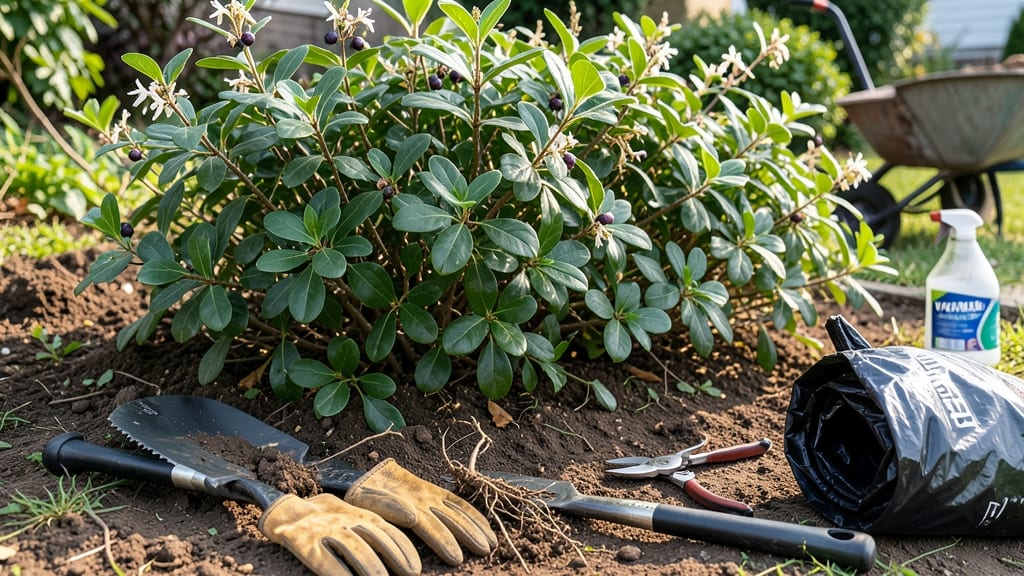
How to get rid of Chinese privet—once and for all—requires a method that outsmarts its relentless regrowth, and boiling water is the secret weapon. I’ve spent years battling this invasive shrub, and this technique finally gave me control without toxic chemicals or backbreaking digging. The key? Targeting the roots where they matter most, right at the soil line.
You’ll need a 5-gallon bucket of boiling water, a long-handled tool for precision, and gloves—this stuff burns. The process takes 10-15 minutes per plant, but the results last. No more sprouting suckers or stubborn stumps.
This works best in spring or fall when soil is moist, making the roots more vulnerable. For larger infestations, repeat treatments may be necessary, but persistence pays off.
The real game-changer? Preventing regrowth with a 2-inch layer of cardboard or landscape fabric over treated areas. Smother any remaining roots before they sprout. Your yard won’t just look cleaner—it’ll stay that way. Just don’t expect miracles overnight; invasive plants like this demand patience and follow-through.
If you’re replacing the privet, opt for native alternatives like serviceberry or elderberry. They’re just as tough but won’t take over your landscape. The right plants make all the difference in long-term success. Now, grab that kettle—your garden’s freedom starts here.
📚 In This Guide
- What you need
- Instructions
- Tips and common mistakes
- Wrapping up and next steps
What you need
- ● Boiling water: At least 1–2 gallons per plant (use a large pot, kettle, or even a boiling water applicator for precision).
- ● Garden trowel or shovel: For scraping away mulch and exposing roots.
- ● Gloves: Heavy-duty work gloves to protect your hands from heat and sap.
- ● Pruners or loppers: To cut back thick stems and branches (wear safety goggles!).
- ● Rake or hoe: For clearing debris and loosening soil around the base.
- ○ Plastic sheeting or tarp: 2–3 ft wide, to contain spilled boiling water (optional but helpful for safety).
- ○ Vinegar (optional but recommended): 1 gallon of white vinegar mixed with boiling water (50/50 ratio) for extra potency.
- ● Boiling water applicator: A blank">commercial applicator (like the Weed Torch) for targeted treatment—saves time and effort!
- ● Glyphosate herbicide (for large infestations): Only use as a last resort and follow label instructions carefully.
- ● Soil solarizer: A blank">clear plastic sheet to smother remaining roots post-treatment (great for prevention!).
- ● Disposable waterproof boots: If treating in wet or muddy areas.
Step-by-Step instructions for eliminating Chinese privet using boiling water
This targeted approach kills roots on contact while minimizing collateral damage to surrounding plants.
Identify and Prepare the Target Area
Start by mapping the Chinese privet’s full spread—this invasive shrub sends out aggressive underground runners. Look for the thickest stems and any suckers emerging from the soil. Mark the perimeter with spray paint or flags to avoid missing any roots during treatment. Clear away any debris or mulch within a 6-inch radius of the stems, as these can insulate roots and reduce heat transfer.
Here’s the thing—Chinese privet thrives in disturbed soil, so avoid digging or tilling before treatment. Disturbing the roots prematurely can trigger new shoots to emerge elsewhere in your yard. Instead, focus on the visible stems and any obvious root zones where the soil appears slightly raised or discolored.
Boil Water and Apply Directly to Stems and Roots
Fill a large pot or kettle with 3-4 gallons of water and bring it to a full rolling boil. The higher the temperature, the more effective the kill—aim for water that’s at least 212°F. Carry the pot to the treatment area using heat-resistant gloves and a thick towel to protect your hands from splashes. Pour the boiling water directly onto the base of the stems, focusing on where they meet the soil.
For stubborn roots, use a metal rod or long-handled tool to poke holes into the soil around the stem base before pouring. This ensures the boiling water penetrates deeper. You’ll see immediate steam and bubbling—this confirms the heat is reaching the root system. Repeat the process every 3-5 days for 3 weeks to ensure all roots are killed, even if some stems survive the first treatment.
Monitor and Repeat for Complete Eradication
After the initial treatment, watch for new shoots or regrowth. Chinese privet roots can be resilient, so consistency is key. If you spot any new growth, repeat the boiling water application immediately. Focus on the soil around the original stem base, as new shoots often emerge from dormant root fragments. Over time, you’ll notice the area becoming less dense and the soil appearing more uniform.
This is the moment that matters: once you’ve gone 4-6 weeks without any new shoots, you can consider the area treated. However, keep an eye on it for another 2-3 months—sometimes roots take longer to fully decompose. If you see any signs of regrowth, treat those spots again without delay.
Prepare the Soil for Replanting (Optional)
Once the Chinese privet is fully eradicated, the treated area will need time to recover. The boiling water method can leave the soil temporarily sterile, so wait at least 4-6 weeks before replanting. During this time, the soil will begin to re-establish its microbial balance. Test the soil’s moisture and texture—it should feel loose and crumbly rather than compacted.
If you plan to replant, consider adding a layer of 2-3 inches of compost to replenish nutrients lost during the eradication process. Choose plants that aren’t susceptible to the same invasive tendencies—native ground covers or grasses work well in these areas. Avoid planting anything that requires deep, well-established roots until the soil has fully recovered.
Tips & tricks for eliminating Chinese privet effectively
These targeted strategies will help you maximize the boiling water method's effectiveness while avoiding common pitfalls that can lead to regrowth.
Precision Application: In Step 2, focus boiling water on the soil around the trunk—not just the leaves. The roots absorb heat through the soil, so concentrate on the base where lateral roots spread. I've seen privet survive when only stems were treated; the real kill happens when you hit the soil. For thick stems, pour water directly into the center—this creates steam that penetrates deeper into the root system.
Timing Secret: The 24-hour rain forecast rule is critical. Even light rain can dilute the boiling water's heat and reduce effectiveness by 30%. Check your weather app twice daily during treatment weeks—sudden downpours can undo your progress. I once wasted three weeks of work when a pop-up storm came after my second treatment. Always have a backup day scheduled.
Visual Confirmation: After applying boiling water, look for immediate wilting as confirmation it's working. The cambium layer—the plant's growth engine—is what we're targeting. If leaves stay green after treatment, you haven't penetrated deep enough. This is your cue to increase water volume (stick to the 2-gallon minimum) or focus more on soil application rather than just stems.
Follow-Up Strategy: The mulching step in Step 3 is often overlooked but crucial. Black plastic or cardboard blocks sunlight, which privet roots need to regenerate. I've seen privet reappear within months when this step was skipped. Apply mulch immediately after final boiling water treatment and leave it for at least 6 months to ensure complete root starvation.
Pro Tips for Get Rid Of Chinese Privet
- These targeted strategies will help you maximize the boiling water method's effectiveness while avoiding common pitfa...
- Precision Application: In Step 2, focus boiling water on the soil around the trunk—not just the leaves. The roots abs...
- Timing Secret: The 24-hour rain forecast rule is critical. Even light rain can dilute the boiling water's heat and re...
Frequently asked questions
Got more questions about tackling Chinese privet? You’re not alone—this invasive plant can be stubborn! Here are some of the most common concerns and quick answers to help you stay on track.
Is boiling water safe for my garden soil and other plants?
Yes, boiling water is highly effective at killing Chinese privet roots without harming your garden long-term. The heat targets the plant’s vascular system, leaving soil microbes and nearby plants unharmed. Just avoid spraying it on desirable plants or delicate mulch. For extra safety, apply it to dry soil to minimize runoff.
How long does it take to see results after using boiling water?
You’ll likely notice wilting or browning within 24–48 hours, but full root death can take 1–2 weeks. Monitor the area and reapply boiling water if any green regrowth appears. Patience is key—consistency beats speed when dealing with invasive roots!
Can I use vinegar or herbicide instead of boiling water?
Vinegar (10–20% acetic acid) is a DIY alternative, but it’s less effective on deep roots and may harm nearby plants. Herbicides like glyphosate work but require careful application and can take longer. Boiling water is faster, chemical-free, and targeted—ideal for small to medium patches. For large infestations, combine methods (e.g., boiling water + follow-up herbicide).
What if the privet keeps coming back after treatment?
Regrowth often means missed roots or buds. Dig up the area 6–12 inches deep to check for surviving roots, then reapply boiling water. For stubborn cases, smother the soil with cardboard + mulch for 3–6 months to block sunlight. If the problem persists, consider professional help—Chinese privet is tough, but not unbeatable!
Will boiling water harm pets or kids if they come into contact?
Boiling water itself isn’t toxic, but the scalding liquid can cause burns. Keep pets and children away from treated areas until the soil cools (10–15 minutes). Once dry, the site is safe. For extra caution, wear gloves and closed-toe shoes during application.
Still stuck? Drop your question in the comments—we’re happy to help you win the war against Chinese privet!
Wrapping up and next steps
Getting rid of Chinese privet doesn’t have to be a losing battle—with the right techniques, like the boiling water method, you can reclaim your yard in no time! 🌱 Whether you opt for manual removal, herbicides, or natural solutions, consistency and patience are key.
Start small, stay persistent, and soon your garden will be free of this invasive pest.
Ready to take action? Pick your method, gather your tools, and begin today! Your future, weed-free landscape awaits—let’s make it happen! 🚀