
Pests
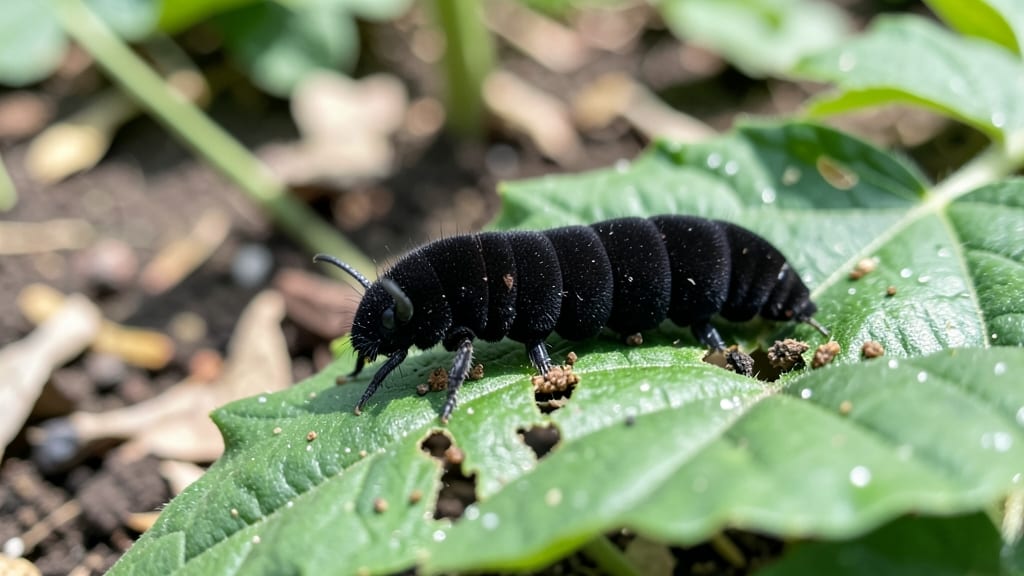
How to get rid of black caterpillars crawling through your garden is a nightmare no one asked for. 🌱 After my tomato plants turned into skeleton leaves overnight, I discovered the boiling water trick that stops them in their tracks—no chemicals, no waiting weeks for results.
These pests—cutworms or woolly bears—hide in soil by day and devour plants at night. The key is acting fast: pour boiling water directly on their tunnels or along garden edges. It kills them instantly and deters others. Works best in the evening when they're most active.
Within minutes, you'll see fewer caterpillars slithering through your beds. The plants breathe easier, and the damage stops. No more waking up to chewed leaves or wilting seedlings—just a garden that fights back naturally.
For stubborn infestations, combine this with handpicking at dusk and neem oil spray. The boiling water is your first line of defense, but these extras create a caterpillar-proof zone. Your garden will thank you by summer's end.
Root Causes of Black Caterpillars
Black caterpillars—often the larvae of moths like the woolly bear, tussock moth, or gypsy moth—don’t just appear out of nowhere. Their presence is usually a response to specific environmental or ecological conditions.
Understanding these triggers is key to preventing future infestations and protecting your garden, lawn, or home. Let’s break down the science behind why these fuzzy or spiky intruders show up uninvited.
Black caterpillars thrive in environments where their natural food sources—host plants—are abundant and untended. Many species, like the gypsy moth caterpillar, are polyphagous, meaning they feast on a wide range of trees and shrubs, including:
- Oak, maple, and birch trees (favorites of gypsy moth larvae)
- Roses, raspberries, and other berry bushes (targeted by tussock moths)
- Weeds like dandelions and clover (accidental hosts for woolly bear caterpillars)
When plants are left unpruned or overgrown, caterpillars find plenty of shelter and sustenance. Dense foliage also creates microclimates that protect them from predators and harsh weather. Actionable insight: Regular trimming and removing dead plant matter disrupts their lifecycle by eliminating hiding spots and food.
Caterpillars are cold-blooded, meaning their activity levels spike in warmer temperatures. Rising global temperatures and unpredictable weather patterns have extended their active seasons. Here’s how climate plays a role:
- Milder winters: Fewer caterpillars die off during freezing temperatures, allowing populations to survive and multiply.
- Hotter summers: Accelerates their growth cycle, leading to faster reproduction and more generations per year.
- Humidity: High moisture levels (like after rain) create the perfect conditions for egg-laying on leaves and bark.
💡 Pro Tip: If you notice caterpillars in unusually high numbers, check local weather trends—warm spells often precede outbreaks.
As humans expand into natural habitats, we inadvertently create ideal caterpillar conditions. Here’s how:
- Landscaping choices: Planting non-native, fast-growing species (like Bradford pear trees) attracts caterpillars because they lack natural predators in new areas.
- Reduced biodiversity: Overuse of broad-spectrum pesticides kills beneficial insects (like ladybugs and parasitic wasps) that naturally control caterpillar populations.
- Artificial lighting: Outdoor lights (especially mercury vapor or sodium lamps) attract adult moths, which then lay eggs near illuminated areas—like your porch or garden.
🌡️ Key Stat: Studies show that urban areas can have 30% more gypsy moth caterpillars than rural zones due to these factors.
In a balanced ecosystem, caterpillars face a gauntlet of predators, including:
- Birds (like robins and chickadees, which eat them whole)
- Parasitic wasps (lay eggs inside caterpillars, killing them)
- Spiders and praying mantises (ambush and devour them)
- Fungal infections (like Beauveria bassiana, a natural caterpillar killer)
When these predators decline—due to habitat loss, pesticides, or climate change—caterpillar populations explode unchecked. Actionable fix: Encourage biodiversity by planting native flowers (to attract pollinators) and avoiding chemical pesticides that harm beneficial insects.
By addressing these root causes—whether through smart gardening practices, climate awareness, or ecological balance—you can starve out black caterpillar infestations before they start. The next step? Learn how to eliminate them safely and effectively.
Practical Fixes for Black Caterpillar Infestations
Black caterpillars—whether they’re woolly bears, cutworms, or other varieties—can quickly turn your garden into a chewed-up mess. But don’t panic! With the right approach, you can eliminate them fast and naturally while keeping your plants safe.
Below, we’ve broken down cause-specific solutions to tackle the problem at its root, plus prevention tips to stop future invasions.
If you spot black caterpillars now, the simplest solution is to remove them by hand—especially for small infestations.
- 👨🍳 Grab and Drop (or Flush)
- Use tweezers, gloves, or a damp paper towel to pick them off plants.
- Drop them into soapy water (1 tbsp dish soap per gallon) to kill them instantly.
- Pro tip: 💡 Do this early in the morning when caterpillars are sluggish and easier to catch.
- 🥘 Boiling Water Barrier (For Large Clusters)
- Fill a small pot with boiling water and carefully pour it directly onto caterpillar hotspots (like egg masses or dense clusters).
- Works best on leaves, stems, or soil where they’re hiding.
- Warning: ⚠️ Avoid spraying near desirable plants—test on a small area first!
If manual removal isn’t enough, repel black caterpillars with plant-based deterrents that disrupt their feeding habits.
| Repellent | How to Use | Why It Works |
|---|---|---|
| Neem Oil Spray | Mix 1 tbsp neem oil + 1 tsp mild soap + 1 quart water. Spray on leaves. | Disrupts caterpillar feeding and growth hormones. Reapply every 3-5 days. |
| Garlic & Chili Spray | Blend 4 garlic cloves + 1 tbsp cayenne pepper + 1 quart water. Strain and spray. | Strong scent repels pests; capsaicin irritates their digestive systems. |
| Diatomaceous Earth (DE) | Sprinkle food-grade DE around plant bases and leaf surfaces. | Microscopic particles dehydrate caterpillars on contact. Reapply after rain. |
Pro tip: 🌡️ Reapply repellents after rain—they wash off quickly!
Many black caterpillars (like cutworms) lay eggs in soil or plant debris. Stop the next generation with these preemptive strikes:
- 🔍 Inspect & Scrape
- Check undersides of leaves, mulch, and garden beds for small white eggs (often in clusters).
- Scrape them into soapy water or crush them with a damp cloth.
- 🌱 Remove Debris
- Clear away fallen leaves, old plant matter, and weeds—these are caterpillar nurseries.
- Bonus: 🎯 This also improves airflow, reducing humidity (which attracts pests).
- 🐛 Beneficial Nematodes (For Soil-Bound Eggs)
- Apply heterorhabditis bacteriophora nematodes to soil—these microscopic worms kill caterpillar eggs and larvae naturally.
- Best used in early spring or fall before hatching season.
The best defense? Make your garden less inviting for black caterpillars in the first place.
- 🌱 Choose Resistant Plants
- Some plants naturally deter caterpillars, like:
- Basil, Marigolds, Nasturtiums (repel with scent)
- Dill, Fennel, Rosemary (disrupt their feeding cues)
- Avoid: 🚫 Tomatoes, cabbage, and beans—these are caterpillar favorites.
- Some plants naturally deter caterpillars, like:
- ⏰ Strategic Planting
- Interplant flowers (like alyssum or calendula) between veggies to confuse caterpillars.
- Rotate crops yearly to disrupt egg-laying cycles.
- 🌙 Light Traps (For Flying Adults)
- Set up a UV light trap at night—many moths (which lay caterpillar eggs) are drawn to lights.
- Place a bucket of soapy water underneath to drown them.
If your garden is overrun despite your best efforts, consider:
- 🐞 Ladybugs & Praying Mantises – Release beneficial insects that eat caterpillars (buy online or from garden centers).
- 🛡️ Row Covers – Lightweight floating row covers block adult moths from laying eggs (use over young plants).
Final Reminder: 🔥 Act fast—black caterpillars multiply quickly, but with these methods, you can regain control in days—without harsh chemicals!
Frequently asked questions
Are black caterpillars dangerous to humans or pets?
Most black caterpillars—like woolly bears or cutworms—are harmless to humans and pets. However, some species (such as tussock moth caterpillars) can cause skin irritation or itching if touched. Avoid handling them with bare hands, especially if you have sensitive skin. Pets may try to eat them, but the risk of harm is low unless your pet has allergies.
Why do black caterpillars appear suddenly in my garden?
Black caterpillars often arrive in waves because their parent moths lay hundreds of eggs at once, usually on the undersides of leaves. Warm weather and high humidity trigger hatching, which is why you might see them overnight. Adult moths are also attracted to porch lights, so if your garden is near illuminated areas, expect more visitors.
Will boiling water harm my plants?
Boiling water is safe for most plants if used carefully! Just avoid pouring it directly on leaves or stems—target soil, mulch, or egg masses instead. A small test on a hidden leaf first ensures no damage. For delicate plants like herbs, use neem oil or diatomaceous earth instead, as they’re gentler but equally effective.
How long does it take for neem oil to work on caterpillars?
Neem oil starts working within 24-48 hours, but you’ll see the best results after 3-5 days of consistent spraying. It disrupts their feeding and growth hormones, so caterpillars often leave treated plants. For faster action, combine it with handpicking or boiling water—this 1-2-3 approach stops infestations quickly.
Can I reuse soapy water from killing caterpillars?
No, don’t reuse soapy water for plants! The soap residue can harm beneficial insects (like ladybugs) and may damage plant leaves over time. Always use fresh water for gardening tasks. For killing caterpillars, a small bucket of soapy water is perfect—just dispose of it after use.