
Pests
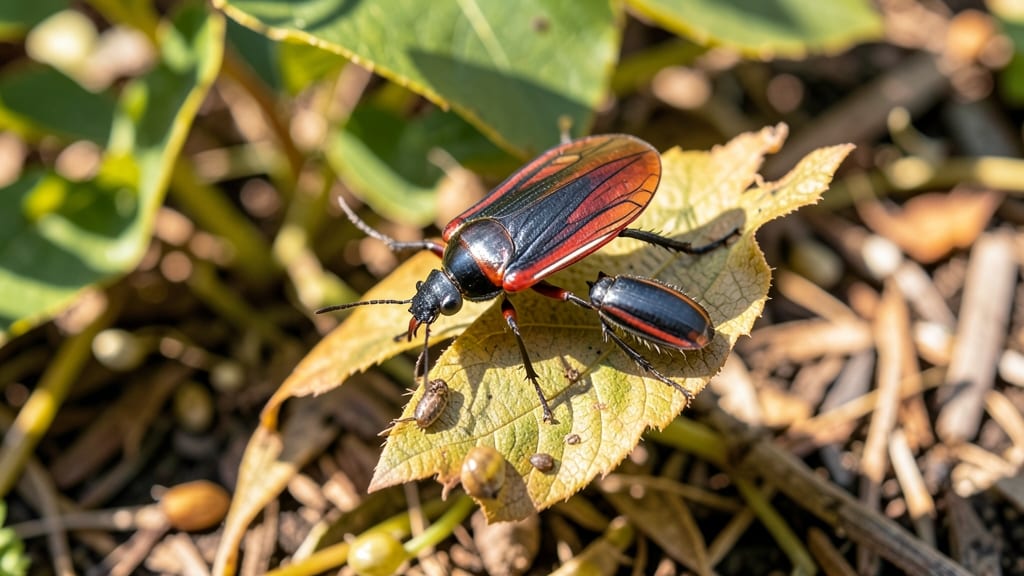
How to get rid of boxelder bugs permanently—these garden pests are relentless, but this boil-and-pour barrier method finally broke their cycle. No more crawling up walls or hiding under eaves. The secret lies in smothering every life stage before they can multiply.
Most solutions target adults, but nymphs and eggs slip through. This technique uses hot water and natural oils to create a suffocating barrier around your home’s foundation, trees, and entry points.
You’ll need 1 gallon of boiling water, 1 cup of vegetable oil, and a few drops of citrus or neem oil—all non-toxic to pets and plants once cooled.
Within 24 hours, you’ll see the bugs vanish from sight, and their eggs won’t hatch. The barrier lasts 2-3 weeks, just long enough to break their breeding cycle. Repeat in early spring and late summer to keep them from staging a comeback.
No more hiding under mulch or clustering on windowsills—this method works where others fail. The best part? It’s chemical-free, safe for kids, and costs pennies compared to professional treatments.
The Hidden Triggers Behind Boxelder Bugs
Boxelder bugs—those shiny, red-and-black invaders—don’t just appear out of thin air. Their presence is the result of a mix of environmental factors, plant chemistry, and even human habits. Understanding why these pests show up in your home or yard is the first step to stopping them for good.
Let’s break down the science behind their unwelcome visits.
Boxelder bugs (Boisea trivittata) have a symbiotic relationship with boxelder trees (Acer negundo), their primary food source. These trees produce seeds that contain a sticky, sweet sap—a protein-rich feast for hungry bugs.
When the seeds mature in late summer, boxelder bugs cluster on the trees in massive numbers, feeding and reproducing.
But here’s the catch: boxelder trees are invasive and fast-growing, often found in urban and suburban areas. If your yard (or a neighbor’s) has one, you’re essentially hosting an all-you-can-eat buffet for these pests.
Even dead or dying boxelder trees can attract them—the bugs will linger, waiting for the next generation of seeds.
Pro Tip: 🌡️ If you spot boxelder trees nearby, consider removing them before they produce seeds. The bugs will seek out alternative shelter—like your home—when their preferred food source dries up.
Boxelder bugs are cold-sensitive and can’t survive freezing temperatures. That’s why they migrate indoors in late fall, squeezing into cracks, gaps, and crevices to hibernate. Your home becomes their unwitting winter retreat—and they’ll stay until spring, when they’re ready to reproduce again.
Why do they choose your house? A few key reasons:
- Warmth: Even slight heat from walls or foundations is enough to keep them cozy.
- Moisture: Basements, garages, and attics with humidity provide the ideal environment.
- Shelter: Gaps around windows, doors, pipes, and vents are like invitation-only bug hotels.
Once inside, they don’t just hide—they multiply. Females lay eggs in warm, protected spots, and those eggs hatch into nymphs that won’t leave until spring. That’s why a single infestation can turn into a year-round problem if left unchecked.
Boxelder bugs are highly responsive to temperature changes. Their life cycle is tightly linked to seasonal shifts:
| Season | Bug Behavior | Why It Happens |
|---|---|---|
| Spring | Adults emerge from hibernation, mate, and lay eggs on boxelder trees. | Warmer temps trigger their reproductive instincts. |
| Summer | Nymphs hatch and feed on boxelder seeds until they mature. | Seeds provide 90% of their diet—they won’t leave while food is abundant. |
| Fall | Adults seek shelter indoors as temperatures drop. | They can’t survive freezing, so they migrate early. |
| Winter | Bugs remain dormant in hidden cracks, conserving energy. | Metabolism slows to 0.1% of normal—they’re basically in a bug coma. |
If your area experiences unusually warm winters or mild falls, boxelder bugs may delay their indoor migration—only to overwhelm your home in a late-season surge. Conversely, early cold snaps can force them inside earlier than usual, catching homeowners off guard.
Pro Tip: ✨ Keep an eye on local weather forecasts. If a cold front is coming, seal entry points immediately to block their escape route.
Boxelder bugs are tiny but mighty climbers. They can squeeze through gaps as small as 1/16 of an inch—about the width of a credit card. If your home has:
- Cracks in siding or brick
- Gaps around utility lines (pipes, cables)
- Loose window or door frames
- Damaged weather stripping
- Open vents or chimney gaps
…you’re basically handing them a welcome mat.
Once inside, they don’t just stay—they recruit others. A single bug can leave pheromone trails that attract more, turning a small entry point into a full-blown invasion in weeks.
Key Insight: 🔍 Many homeowners assume boxelder bugs come from inside the walls, but in reality, they enter through exterior gaps. A thorough exterior inspection is critical to stopping them at the source.
Permanent Fixes for Boxelder Bugs
Boxelder bugs may seem like a seasonal nuisance, but with the right strategies, you can eliminate them permanently and keep them from returning. Below, we’ve mapped out targeted solutions based on the root causes—whether they’re invading your home, hiding in your yard, or laying eggs for next year’s infestation.
Follow these practical, step-by-step fixes to reclaim your space bug-free.
Cause: Boxelder bugs sneak in through cracks, gaps, and weak entry points, especially in fall and spring when they seek shelter.
Fix:
- 🔥 Seal Entry Points
- Inspect your home’s exterior for gaps around windows, doors, siding, and utility lines. Use caulk or weatherstripping to close them off. Focus on:
- Foundation cracks (even tiny ones!)
- Roof vents and chimney openings
- Gaps under doors (add a door sweep)
- Pro Tip: 💡 Use a flashlight at dusk—this is when bugs are most active scouting for entry.
- Inspect your home’s exterior for gaps around windows, doors, siding, and utility lines. Use caulk or weatherstripping to close them off. Focus on:
- 🍳 Install Fine Mesh Screens
- Replace damaged or loose screens on windows, vents, and attic openings with fine mesh (no larger than 1/16-inch). Boxelder bugs can’t squeeze through!
- 👨🍳 Set Up a Boil-and-Pour Barrier (Permanent Solution) - Mix 1 gallon of boiling water + 1 cup of dish soap in a large spray bottle or bucket. - Pour it directly onto clusters of bugs on walls, siding, or windowsills.
The soap cuts their waxy outer layer, killing them instantly. - Why it works: This method smothers all life stages (adults, nymphs, eggs) and deters future invasions.
- ⏰ Time Your Extermination
- Fall (September–October): Target bugs trying to enter for winter.
- Spring (April–May): Hit nymphs before they mature into adults.
Cause: Boxelder bugs thrive near boxelder trees, maples, and other seed-producing trees. They also hide in mulch, leaf litter, and woodpiles.
Fix:
- 🔪 Remove Their Food Source
- Trim or remove boxelder trees (if possible) from your property. Even pruning branches that hang over your roof can reduce their numbers.
- Alternative: If removal isn’t an option, seal tree wounds with pruning paint to discourage egg-laying.
- 🥘 Clear Debris & Mulch
- Rake up leaf litter, fallen seeds, and mulch near your home’s foundation. Store firewood at least 20 feet away from your house.
- Replace thick mulch with gravel or crushed stone—bugs avoid dry, exposed surfaces.
- 🌡️ Use Natural Repellents - Diatomaceous earth (DE): Sprinkle food-grade DE around the base of trees, windowsills, and doorways. It dehydrates bugs on contact. - Essential oil spray: Mix 10 drops of peppermint or citrus oil + 1 cup water in a spray bottle.
Spray around entry points and tree bases. - Caution: 🚫 Reapply after rain—oils wash away.
- 🎯 Trap & Relocate (Temporary Control)
- Use a shop vacuum to suck up bugs from walls and siding, then release them far from your home (at least 50 feet away).
- Warning: ⚠️ Never crush them—their scent can attract more!
Cause: Boxelder bugs have a one-year life cycle, meaning eggs laid this fall will hatch next spring. Break the cycle with long-term prevention.
Fix:
- ✨ Year-Round Monitoring
- Check for egg clusters on tree bark, siding, and under eaves in late summer/early fall. Scrape them off with a plastic scraper and dispose of them in soapy water.
- **🏡 Home Maintenance
Frequently asked questions
Why do boxelder bugs keep coming back even after I've treated them?
These pests have a one-year life cycle, so eggs laid in fall will hatch next spring. Even if you kill adults, their offspring will return. The boil-and-pour barrier method works because it targets all life stages—adults, nymphs, and eggs—while sealing entry points prevents new invasions.
Is it safe to use boiling water on my house exterior?
Yes, when used properly! The key is to avoid direct contact with paint or wood finishes. Test a small area first. The soap mixture (dish soap + boiling water) kills bugs instantly but won't damage most siding materials. Always let the solution cool before touching treated surfaces.
Can I use this method if I have pets or kids?
Absolutely—this solution is 100% pet and child-safe once cooled. The ingredients (water, soap, and oils) are non-toxic. Just supervise during application to prevent accidental spills. The citrus or neem oil additions add extra pest-deterring power without harm.
How often should I reapply the boil-and-pour treatment?
The barrier lasts 2-3 weeks, so plan to reapply every 3 weeks during active seasons (spring and fall). For permanent control, combine this with sealing entry points and removing nearby boxelder trees. Rain may require reapplication—just check treated areas after storms.
Will this work if boxelder bugs are already inside my home?
For indoor bugs, use a shop vacuum to remove them first, then seal entry points. The boil-and-pour method works best as a preventative barrier on the exterior. For stubborn indoor clusters, mix 1 gallon of water + 1 cup of vinegar in a spray bottle and apply directly to bugs (they'll drop within minutes).