
Pests
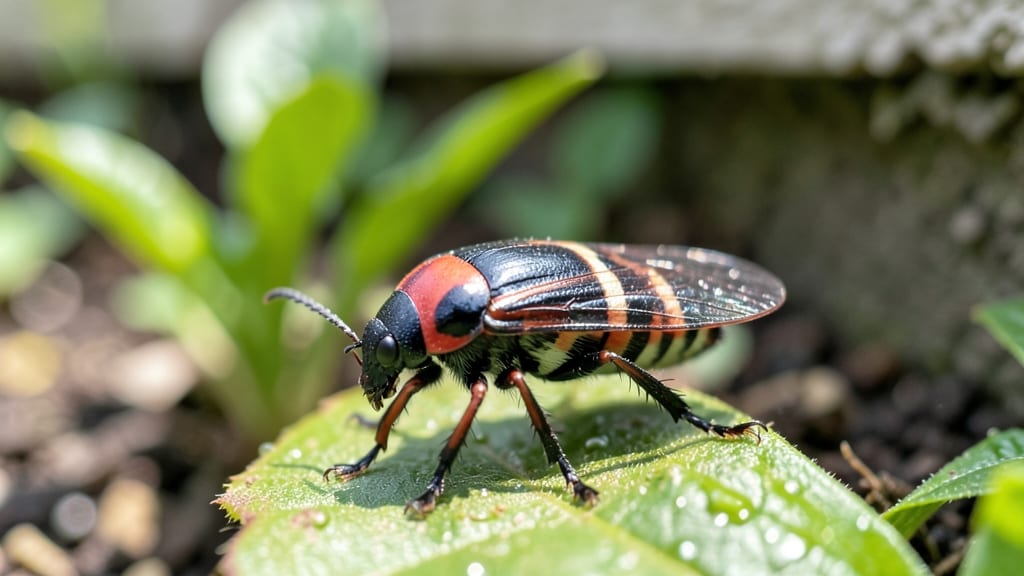
How to get rid of boxelder bugs outside your house—those red-and-black invaders that swarm your home in fall—requires a little strategy. 🌿 I’ve battled them for years, and the boiling water barrier method actually works to smother their nests before they even think about moving inside. No more squishing them on your doorstep or finding them in your garage.
The key is timing: target their nests in late summer when they’re still clustered on trees or house foundations. A gallon of boiling water poured directly on the nest kills the adults and eggs instantly—no harsh chemicals needed.
It’s brutal but effective, and it keeps them from becoming next year’s problem.
You’ll see immediate results—fewer bugs on your walls, no more clusters under eaves, and no need for sprays that might harm bees or butterflies. The method works best on female boxelder trees (their favorite breeding grounds), but even without removing the tree, you can still disrupt their lifecycle.
Fair warning: this takes a little elbow grease, and you’ll need to repeat it every few weeks until frost. But once you’ve done it, you’ll wonder why you didn’t try it sooner. The alternative—endless swatting and sticky traps—is no match for this permanent solution.
Root Causes of Boxelder Bugs
Boxelder bugs aren’t just a nuisance—they’re drawn to your home for very specific reasons, often tied to their survival instincts and habitat preferences. Understanding these triggers is the first step to stopping them before they invade.
Let’s break down the science behind why these shiny, red-and-black pests show up on your property.
Boxelder bugs (Boisea trivittata) have a serious appetite for boxelder trees—but they’ll also munch on maples, ash, and even fruit trees. Here’s why this matters:
- 🍃 Sap & Seeds Are Their Buffet: These bugs pierce tree bark to feed on sap, especially in early spring and fall when trees are vulnerable. Female bugs also lay eggs in tree crevices, ensuring their offspring have a built-in food source. - 🌿 Stress = More Attraction: Drought-stressed, weak, or newly planted trees release more sugars in their sap—making them a magnet for boxelder bugs. Even healthy trees can become targets if they’re near your home. - 🌰 Seed Clusters Are Egg-Laying Hotspots: Female bugs prefer to deposit eggs near seed clusters (like those on boxelder trees), which hatch into nymphs that’ll eventually seek shelter in your house.Actionable insight: If you have boxelder, maple, or ash trees on your property, they’re likely the reason these bugs are lurking nearby. The closer the trees are to your home, the higher the chance of an infestation.
Boxelder bugs are cold-blooded (ectothermic), meaning they rely on external heat sources to survive. Your home provides the perfect winter refuge—and here’s how:
- 🔥 Sunlit Walls = Body Heat: These bugs bask on south- or west-facing walls to warm up, making them more active during the day. Dark-colored siding or brick absorbs heat, creating a cozy spot for them to gather. - 🏠 Cracks & Gaps Are Invitation Only: Once they warm up, they’ll squeeze into tiny openings (as small as 1/16 inch) to escape predators and cold weather. Common entry points include: -- 🚪 Door thresholds and window frames
- 🪟 Vents and chimney gaps
- 🛠️ Loose siding or roof shingles
- 🌿 Overgrown vegetation pressing against your foundation
Actionable insight: Boxelder bugs are opportunistic. If your home has heat-retaining surfaces or easy access points, they’ll exploit them—especially during temperature swings in spring and fall.
Your landscaping choices could be accidentally attracting boxelder bugs. Here’s how:
- 🍎 Fruit Trees & Berries = All-You-Can-Eat Buffet: While they prefer boxelder trees, boxelder bugs will also feed on: -- 🍎 Apple, pear, and cherry trees
- 🍇 Grapes and berry bushes
- 🥕 Vegetables like tomatoes and peppers (they pierce them for sap)
Actionable insight: A well-maintained garden with no stressed plants and no debris piles reduces their food and shelter options. If you have fruit trees, consider protective netting to deter them.
Boxelder bugs often hitchhike with other insects or are drawn to the same conditions. For example:
- 🐜 Ant Trails = Bug Highways: Ants create pathways that boxelder bugs follow to reach trees or your home. If you see ants near your foundation, bugs may be close behind. - 🦋 Mosquitoes & Flies = Shared Habitat: Stagnant water or damp areas attract multiple pests, including boxelder bugs. They’ll congregate where other insects thrive. - 🍄 Fungal Growth = Hidden Clues: Some boxelder bugs are drawn to trees with fungal infections, as the decaying wood provides easy access to sap and moisture.Actionable insight: Addressing other pest problems (like ants or mosquitoes) can indirectly reduce boxelder bug activity on your property.
Practical Fixes for Boxelder Bugs
Boxelder bugs may seem like a stubborn nuisance, but with the right strategies, you can reclaim your outdoor space without harsh chemicals. The key is to tackle them at their source—whether that’s their nests, entry points, or favorite hiding spots.
Below, we break down targeted solutions based on the root causes of your infestation, plus proactive steps to keep them away for good.
Boxelder bugs lay eggs in clusters on trees, fences, or siding. If you spot black, tar-like egg masses (usually in late summer or early fall), act fast—these can hatch into thousands of bugs by spring. - 🔥 Boil Water Barrier (Permanent Solution) - Wait until the eggs are visible but before they hatch (typically late summer). - Boil 2–3 gallons of water and pour it directly over the egg masses. The heat smothers them instantly. - For larger nests, use a pressure washer on the lowest setting to dislodge eggs from surfaces like tree bark or siding. - ✨ Pro Tip: Repeat this process every 2–3 weeks until no more eggs appear. Consistency is key! - 🍳 Scrape Off Eggs Manually - Wear gloves and use a plastic scraper or putty knife to remove egg clusters. - Drop them into a bucket of soapy water to kill them immediately. - 💡 Warning: Avoid crushing eggs near your house—they release a foul odor when squashed! Boxelder bugs sneak in through tiny cracks, gaps, or loose siding. A thorough inspection and seal can prevent them from moving indoors. - 👨🍳 Inspect and Caulk Gaps - Walk your home’s perimeter and look for: - Cracks in brick or stucco - Loose siding or roof shingles - Gaps around windows, doors, and utility lines - Use caulk, silicone sealant, or expanding foam to fill gaps wider than 1/8 inch. - Pay extra attention to eaves, vents, and foundation cracks. - 🥘 Install Fine Mesh Screens - Cover vents, chimneys, and attic openings with 1/16-inch mesh screen (boxelder bugs can’t squeeze through). - Check screens on windows and doors for tears and repair them. Chemical sprays can be effective but often harm pets, kids, and beneficial insects. Instead, try these eco-friendly repellents: | Method | How to Apply | Best Time to Use | |--------------------------|---------------------------------------------------------------------------------|-------------------------------| | Diatomaceous Earth (DE) | Sprinkle food-grade DE around the foundation, under decks, and near entry points. | Dry, sunny days (reapply after rain) | | Peppermint Oil Spray | Mix 10 drops of peppermint oil with 1 cup of water in a spray bottle. Spray on plants, fences, and siding. | Late afternoon (avoid direct sun) | | Neem Oil Solution | Mix 2 tbsp neem oil with 1 quart of water + a drop of dish soap. Spray on trees and shrubs. | Early morning (avoid flowering plants) | | Crushed Garlic Spray | Blend 3 garlic cloves with 1 quart of water, strain, and spray around the perimeter. | Every 3–4 days for best results | - 🎯 Bonus: Plant marigolds, basil, or lavender near your home—their strong scents repel boxelder bugs naturally. If bugs are already swarming, you’ll need to lure and eliminate them before they find their way inside. - 🕷️ Sticky Traps - Place yellow sticky traps near infested trees or along fences. The bright color attracts them, and they get stuck. - Check traps daily and dispose of bugs in a sealed bag. - 🧽 Vacuum Them Up - Use a shop vac or cordless vacuum to suck up bugs from: - Under eaves - Window sills - Garage walls - ⚠️ Important: Empty the vacuum outside immediately to prevent them from escaping. - 🌪️ Outdoor Insecticide Barrier (Last Resort) - If natural methods fail, use a pyrethrin-based spray (like those for fleas/ticks) on a windless day. - Spray only the perimeter of your home, avoiding plants and pets. - 💡 Pro Tip: Reapply after rain, as the effects wear off quickly. Once you’ve kicked them out, keep them from returning with these year-round strategies: - 🌳 Trim Trees and Remove Debris - Boxelder bugs love boxelder, maple, and ash trees. Trim branches that overhang your roof. - Clear leaf litter, wood piles, and dense shrubs near your home—these provide hiding spots. - 🌡️ Monitor and Act Early - Start checking for egg masses in late summer (July–August). - Set up early warning traps in spring to catch them before they multiply. - 🏡 Maintain Your Home’s Exterior - Power wash siding and fences to remove old egg cases. - Paint or seal rough wood surfaces where eggs like to cling.With a mix of nest elimination, sealing entry points, and natural deterrents, you can say goodbye to boxelder bugs for good. Stay vigilant, and your home will stay bug-free all season long! 🚫🪳
Frequently asked questions
Why do boxelder bugs cluster near my house in the fall?
Boxelder bugs seek shelter in your home during cooler months because they can't regulate their body temperature. They gather on sunlit walls to warm up, then slip through tiny cracks (as small as 1/16 inch) to escape cold weather. South- or west-facing walls with dark siding are especially attractive to them.
How do I know if I have boxelder bugs or ladybugs?
Boxelder bugs are longer (1/3 inch), flat, and red with black stripes—unlike ladybugs, which are rounder and often spotted. Boxelder bugs also release a foul odor when crushed, while ladybugs don't. Check for egg clusters (black, tar-like masses) on trees or siding to confirm.
Will boiling water kill boxelder bugs on my foundation?
Yes! Boiling water is 100% effective against adult bugs and egg clusters. Pour it directly onto clusters or swarms—it smothers them instantly. For large infestations, use a pressure washer on the lowest setting to dislodge them from cracks. Repeat every 2-3 weeks until late fall.
Are boxelder bugs harmful to my plants?
They're mostly a nuisance—they don't transmit diseases but can damage fruit trees, grapes, and berries by piercing for sap. However, they prefer boxelder, maple, and ash trees. If you notice wilting leaves or sap oozing, trim affected branches and treat with neem oil to deter them.
Can I use vinegar to repel boxelder bugs?
Vinegar alone won't repel them, but a vinegar-water spray (1:1 ratio) can help remove egg clusters when applied directly. For better results, combine it with dish soap (1 tsp per gallon) to break down their waxy exterior. Spray on trees, fences, and siding—but avoid spraying plants.