
Pests
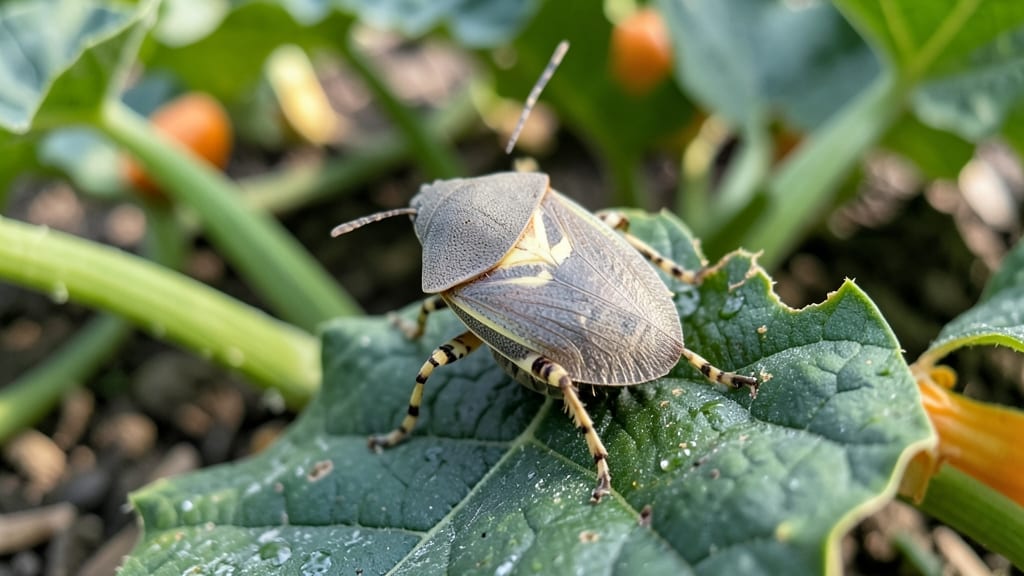
How to get rid of bugs on pumpkin plants before they ruin your harvest—here’s how I’ve stopped cucumber beetles, squash bugs, and aphids in their tracks without harsh chemicals. The key is acting early with organic sprays that work within a day. Most pests target young plants, but even mature vines suffer if left unchecked. A simple mix of neem oil and water disrupts their life cycle, while soapy water knocks them off leaves instantly. Companion planting with marigolds or nasturtiums deters them before they arrive. You’ll see results within 24 hours—fewer bugs, healthier vines, and pumpkins that grow strong. The best part? These methods protect pollinators while keeping your garden thriving. Prevention is easier than cleanup: rotate crops yearly, remove debris, and monitor plants weekly. Here’s the exact spray recipe and timing to keep your patch pest-free all season.
Root Causes of Pumpkin Plant Pests
Pumpkin plants are a magnet for pests—not because they’re weak, but because they’re delicious to insects and critters. Understanding why bugs invade your pumpkin patch is the first step to stopping them. Below, we break down the science behind the most common culprits and what makes your plants so appealing.
---
Pumpkins are hardy, but when their natural defenses drop, pests move in like uninvited guests at a buffet. Here’s why this happens:
- Nutrient Deficiencies – Pumpkins need phosphorus (P) and potassium (K) to build strong cell walls and resist pests.
If your soil is lacking, plants become stressed, emitting volatile organic compounds (VOCs) that attract insects like aphids and cucumber beetles. - Signs: Yellowing leaves, stunted growth, or soft stems that bruise easily. - Fix: Test soil pH (ideal: 6.0–6.8) and amend with compost, bone meal, or banana peels (for potassium).
- Overwatering or Poor Drainage – Soggy roots can’t absorb nutrients efficiently, weakening the plant’s immune response. Fungal diseases (like powdery mildew) often follow, making plants more attractive to spider mites and whiteflies. - Signs: Wilting despite moist soil, mushroom-like growth at the base, or leaves curling inward. - Fix: Ensure 1–1.5 inches of water per week and improve drainage with gravel or raised beds.
- Physical Stress – Transplant shock, harsh weather swings, or competition from weeds drain a pumpkin’s energy.
Stressed plants produce sweeter sap (a protein-rich feast for pests like squash bugs). - Signs: Leaves with irregular holes, wilting vines, or sticky residue (honeydew from aphids). - Fix: Mulch heavily (straw or grass clippings) to retain moisture and prune damaged leaves to redirect energy.
---
Some bugs target pumpkins because they’re evolutionarily programmed to seek them out. Here’s the science behind their obsession:
- Scent & Color Signals – Pumpkin plants release terpenes (like those in cucumbers) that cucumber beetles and striped pumpkin beetles use to locate hosts.
Their bright yellow flowers also mimic the color of aphid-alerting plants, drawing in predators that then stay for the meal. - Signs: Chewed leaves, tiny black dots (frass) on foliage, or yellow-orange larvae hiding under leaves. - Fix: Interplant with basil or marigolds (their scent masks pumpkin aromas) or use yellow sticky traps to catch flying adults.
- Sap & Nectar Overload – Healthy pumpkin leaves produce high-sugar sap, a liquid gold for aphids, whiteflies, and spider mites.
These pests excrete honeydew, which then attracts ants (who "farm" the pests for their sap). - Signs: Sticky leaves, black sooty mold (a fungal growth fed by honeydew), or ants marching up stems. - Fix: Blast pests off with water (disrupts their honeydew cycle) or apply neem oil (deters both pests and ants).
- Larval Hosting Habits – Squash vine borers and hornworms lay eggs on pumpkin leaves because their larvae only eat cucurbits (pumpkins, squash, cucumbers).
The adults are drawn to warm, humid microclimates—common in dense pumpkin patches. - Signs: Wilted vines (borers), stripped leaves (hornworms), or sawdust-like frass near stems. - Fix: Remove egg masses (white, oval clusters) by hand or use kaolin clay to repel egg-laying adults.
---
Pests don’t just show up randomly—they’re opportunistic invaders that thrive when conditions are perfect. Here’s how your garden might be unwittingly inviting them:
- Monoculture Planting – Growing only pumpkins in a row creates a pest buffet. Without natural predators (which need diverse plants to survive), bugs multiply unchecked. - Fix: Rotate crops annually and plant companion flowers (like nasturtiums) to attract ladybugs and lacewings.
- Late Planting Timing – Pumpkins planted after the last frost but before mid-summer heat give pests a head start. Cucumber beetles and striped cucumber beetles emerge in late spring, and if your plants are already up, they’ll feast for weeks. - Fix: Start seeds indoors 2–3 weeks before the last frost or use row covers until flowers appear.
- Weedy Borders – Wild cucumbers, morning glories, and smartweed act as pest nurseries, harboring bugs that later migrate to your pumpkins. - Fix: Clear a 3-foot radius around plants of weeds and avoid planting near wild cucurbits.
--- 💡 Pro Tip: Most pest outbreaks start with one of these three factors: stress, scent, or environment. Address the root cause, and you’ll see fewer bugs naturally—no harsh chemicals needed!
Quick Fixes for Pumpkin Plant Pests
Now that you know what’s munching on your pumpkin plants, let’s tackle those pests with fast, effective, and organic solutions—no harsh chemicals required! Below, we’ve mapped the most common culprits to their fixes, along with prevention tips to keep your gourds thriving.
---
🔥 Signs: Wilting, yellowing leaves, black droppings, and those shield-shaped bugs hiding under leaves.
🍳 How to Treat It: - Handpick & Crush: Early morning is prime time—squash bugs are sluggish then. Drop them in soapy water (1 tbsp dish soap per gallon). 💡 Pro Tip: Use a gloved hand or a damp paper towel to avoid the stinky odor! - Diatomaceous Earth (DE): Sprinkle food-grade DE around the base of plants and on leaves. It’s a natural abrasive that dehydrates bugs. ✨ Reapply after rain. - Neem Oil Spray: Mix 1 tbsp neem oil + 1 tsp mild soap + 1 quart water. Spray top and bottom of leaves at dusk. 🌡️ Repeat every 5–7 days for stubborn infestations.
🌱 Prevention: - Row Covers: Use floating row covers early in the season to block adult bugs from laying eggs. - Copper Tape: Wrap copper tape around the base of plants—bugs get a mild shock and avoid it. - Traps: Place yellow sticky traps near plants to catch flying adults.
---
🔥 Signs: Sticky residue (aphids), webbing (mites), curled leaves, and slow growth.
👨🍳 How to Treat It: - Blast ‘Em Off: Spray plants with a strong stream of water to knock off aphids. 💡 Works best in the morning. - Insecticidal Soap: Mix 2.5 tbsp Castile soap + 1 quart water. Spray directly on pests (avoid hot sun—it can burn leaves). - Horticultural Oil: Use summer or dormant oil (like Neem or Canola oil) for mites. Apply at dusk and repeat weekly.
🌱 Prevention: - Encourage Predators: Ladybugs, lacewings, and parasitic wasps love aphids. Plant dill, fennel, or marigolds nearby to attract them. - Reflective Mulch: Use silver or aluminum mulch to confuse mites with light reflections. - Regular Scouting: Check undersides of leaves 2–3 times a week for early signs.
---
🔥 Signs: Jagged leaf holes, wilting vines, and tiny orange/black beetles chewing on flowers.
🔪 How to Treat It: - Beer Trap: Bury a plastic cup filled with beer at the base of plants. Beetles fall in and drown. ⏰ Refresh every 2–3 days. - Kaolin Clay: Dust plants with Surround WP (kaolin clay). It creates a barrier they can’t cross. - Row Covers: Use fine mesh covers when plants are young to block adults.
🌱 Prevention: - Crop Rotation: Don’t plant cucurbits (pumpkins, squash, melons) in the same spot yearly—beetles overwinter in soil. - Interplant with Radishes: Radishes repel cucumber beetles—plant them nearby! - Early Harvest: Pick pumpkins before beetles mature (late summer is peak risk).
---
🔥 Signs: Tiny white moths fluttering when you disturb plants, sticky honeydew, and yellowing leaves.
🥘 How to Treat It: - Yellow Sticky Traps: Hang yellow cards near plants to trap adults. - Soap Spray: Use 1 tsp castile soap + 1 quart water and spray directly on undersides where they hide. - Beneficial Nematodes: Apply Steinernema feltiae to soil—they kill whitefly larvae naturally.
🌱 Prevention: - Avoid Overwatering: Whiteflies love stressed, overwatered plants. - Reflective Surfaces: Place aluminum foil or CDs near plants to disorient them. - Regular Pruning: Remove heavily infested leaves and dispose of them in sealed bags.
--- 🎯 Final Tip: Act fast! The sooner you treat pests, the easier it is to save your pumpkins. Rotate methods to prevent resistance, and always clean up debris in fall to reduce next year’s bugs.
Now go forth and save those pumpkins—your future pies (and jack-o’-lanterns) will thank you! 🎃🔥
Frequently asked questions
What’s the fastest way to kill squash bugs on pumpkin plants?
For immediate results, crush them by hand (especially in early morning) and drop them in soapy water. For a 24-hour solution, mix 1 tbsp neem oil + 1 tsp mild soap + 1 quart water and spray thoroughly. Reapply every 5-7 days—neem disrupts their life cycle quickly. Pro tip: Use a gloved hand to avoid their foul odor!
Can I use coffee grounds to repel pumpkin plant pests?
Yes! Coffee grounds work as a natural pesticide and fertilizer. Sprinkle them around the base of plants—the caffeine acts as a mild insect repellent while improving soil. For extra protection, mix with food-grade diatomaceous earth (DE) to create a barrier. Reapply after rain. Best for aphids, slugs, and soft-bodied pests.
Why do my pumpkin leaves keep getting holes even after I treat them?
Holes often mean hornworms or cucumber beetles are still active. Check undersides of leaves for green caterpillars (hornworms) or tiny black/orange beetles. Try kaolin clay (Surround WP) or beer traps (bury a cup of beer near plants). Also, ensure you’re treating both tops and bottoms of leaves—many pests hide there!
Is it safe to use neem oil on pumpkin flowers?
Yes, but apply it at dusk when bees are less active. Neem oil is bee-safe once dry, but avoid spraying directly on open flowers during daytime pollination. For extra caution, use horticultural oil instead—it’s even gentler on beneficial insects. Always follow label instructions for dilution ratios.
How do I know if my pumpkin plant pests are coming back next year?
Many pests overwinter in soil or debris. To prevent recurrence: remove all plant debris in fall, practice crop rotation (don’t replant pumpkins in the same spot), and use yellow sticky traps early in spring. If you see chewed leaves within 2 weeks of planting, pests likely survived nearby.