
Lawn
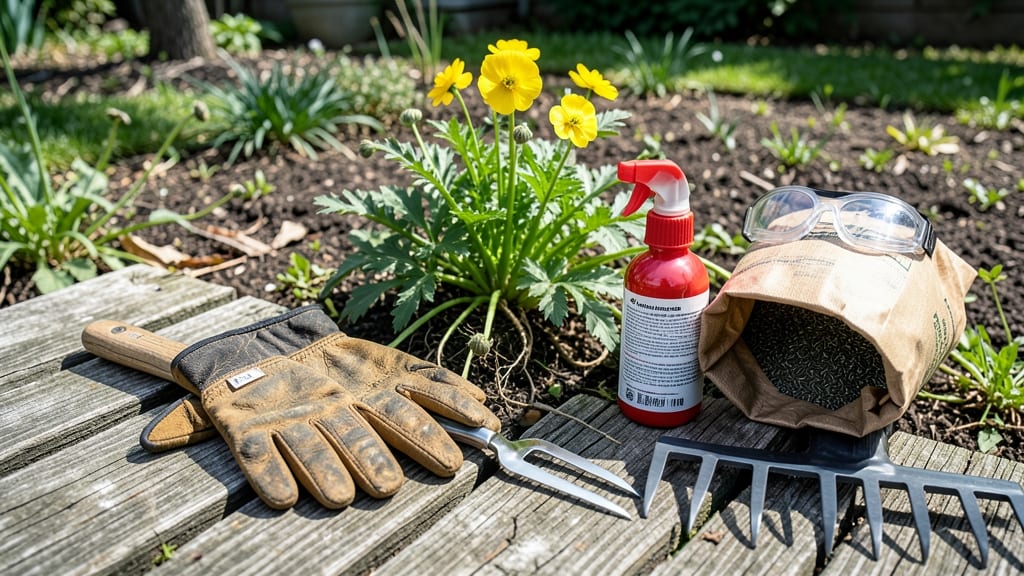
How to get rid of buttercups in grass—turning your lawn into a yellow eyesore? ✨ I’ve battled these stubborn weeds for years, and this vinegar solution is the fastest way to send them packing—without harming your grass. The secret lies in timing and technique. Pull them when soil is moist (after rain), and use a 3:1 vinegar-water mix with dish soap for a natural herbicide. For organic gardeners, this works in minutes—no harsh chemicals needed. Just spray, wait, and watch those bright yellow blooms vanish. You’ll see results within 24 hours on young buttercups, and established patches will weaken after 3-4 treatments. The key? Reapply before new flowers appear, and your lawn will stay green and weed-free. Works for any grass type, from shady patches to sunny lawns. Let’s reclaim that grass!
Why Buttercups Invade Your Lawn
Buttercups (Ranunculus spp.) don’t just pop up randomly—they’re opportunistic weeds that thrive when your lawn’s balance is off. Understanding the root causes helps you tackle them effectively. Here’s why these bright yellow invaders keep showing up in your grass.
Buttercups love thin, nutrient-poor soil where grass struggles to grow. Here’s how it happens:
- Low nitrogen levels: Grass needs nitrogen to stay thick and competitive.
When soil lacks it, buttercups fill the gaps because they’re hardy and fast-growing. - Compacted or clay-heavy soil: Poor drainage and compaction prevent grass roots from accessing water and nutrients, leaving bare spots for buttercups to take over. - High pH (alkaline soil): Buttercups prefer slightly acidic to neutral soil (pH 6.0–7.0).
If your lawn’s pH is too high (above 7.5), grass weakens, while buttercups flourish.
Actionable fix: Test your soil’s pH and nutrient levels. Amend with compost or a balanced fertilizer (like 10-10-10) to restore grass health.
Buttercups exploit lawns where grass is sparse or stressed. Common triggers include:
- Infrequent mowing: Tall grass shades the soil, preventing seed germination—but it also creates ideal conditions for buttercups to spread via seeds.
- Drought stress: Grass turns brown and recedes during dry spells, leaving open patches for buttercups to colonize.
- Disease or pest damage: Fungal infections (like brown patch) or grubs weaken grass, creating gaps buttercups rush to fill.
Actionable fix: Mow regularly (3–4 inches tall) and water deeply 1–2 times per week. Treat pests/diseases promptly to keep grass dense.
Buttercups are prolific seed producers, and their seeds stay viable for years. Here’s how they sneak in:
- Wind and animal dispersal: A single buttercup plant can release thousands of seeds, which hitchhike on wind, shoes, or pets.
- Dormant seeds in soil: Buttercup seeds can lie dormant for decades until conditions (like bare soil or disturbance) trigger germination.
- Disturbances (aeration, tilling): Turning soil—even for lawn repair—can bring buried seeds to the surface, causing sudden outbreaks.
Actionable fix: Remove buttercups before they flower (when seeds form). Avoid over-tilling; instead, hand-pull or spot-treat with vinegar.
Buttercups peak in spring and early summer but adapt to your climate:
- Cool, wet springs: Ideal for seed germination and early growth.
- Mild winters: Buttercups may survive as rosettes (low-growing plants) and rebound quickly in spring.
- Drought-resistant roots: Once established, their deep taproots let them outcompete grass in dry conditions.
Actionable fix: Monitor lawn health in early spring. Pre-emergent herbicides (applied in late winter) can block buttercup seeds before they sprout.
Even well-maintained lawns can get buttercups if:
- You skip lawn care for months (e.g., vacations, seasonal slowdowns).
- You use heavy foot traffic in one area, compacting soil and weakening grass.
- You ignore thatch buildup, which smothers grass roots and invites weeds.
Actionable fix: Stay consistent with mowing, aeration, and overseeding. Walk on pathways instead of trampled grass.
Key Takeaway: Buttercups thrive where grass is weak, soil is imbalanced, or seeds find open space. Fix the underlying issues (soil, water, competition), and your lawn will naturally resist them. 💪
Quick Fixes for Buttercup Overgrowth
Buttercups may seem harmless, but their bright yellow blooms can quickly turn your lawn into a patchwork of weeds. The good news? With the right approach, you can reclaim your grass in no time.
Below are targeted solutions based on the most common causes of buttercup infestations—plus tips to keep them from returning.
Best for: Small patches, early-stage growth, or eco-friendly lawn care. Buttercups thrive in weak grass, so pulling them by hand is the simplest way to remove them before they spread seeds. Here’s how:
- 👨🍳 Wait for the Right Time Pull buttercups on a damp morning after rain—soil is softer, and weeds come out easier. Avoid pulling when the ground is dry or frozen.
- 🔪 Grab the Root Use gloves (buttercups can irritate skin) and grasp the weed at the base. Twist gently to loosen the root, then tug upward. If the root breaks, the plant will regrow—so persist!
- 🌱 Fill the Gap Fast After pulling, seed the bare spot with grass seed or cover with mulch to prevent new weeds from moving in.
✨ Pro Tip: Pull weeds when they’re small—larger buttercups have deeper roots and are harder to remove completely.
Best for: Medium to large patches, stubborn buttercups, or organic lawn care. White vinegar is a powerful, non-toxic herbicide that dissolves weeds in minutes. For best results:
- 📊 Mix the Solution Combine 1 gallon of white vinegar (5% acetic acid) with 1 cup of dish soap (as a surfactant to help it stick). Optional: Add 1 tbsp of salt for extra potency (but skip if you have pets/kids).
- ☀️ Spray on a Sunny Day Apply the mixture directly to buttercup leaves on a warm, sunny day (vinegar works best in heat). Avoid spraying grass—vinegar will kill it too!
- 💦 Reapply as Needed Buttercups may take 1–3 days to wilt. If any survive, spray again. For deep-rooted weeds, repeat every 3–5 days until gone.
💡 Pro Tip: Use a spray bottle with a fine mist for precision—vinegar can damage nearby plants if oversprayed.
Best for: Driveways, sidewalks, or small lawn areas where vinegar isn’t practical. Boiling water kills buttercups on contact by denaturing their cells. Here’s how:
- 🔥 Heat Water to Boil Fill a kettle or large pot with water and bring to a rolling boil.
- 💦 Pour Directly on Weeds Carefully pour boiling water over buttercups until the soil is saturated. Repeat for large patches.
- 🌱 Reseed or Mulch After the weeds die (within 24 hours), cover the area with grass seed or mulch to prevent regrowth.
⚠️ Warning: Only use boiling water on non-grass areas—it will kill plants it touches!
Best for: Large lawns, prevention, or persistent buttercup problems. If buttercups keep returning, a pre-emergent herbicide (applied in early spring) can block their seeds from germinating.
- 📅 Apply at the Right Time Buttercup seeds sprout in early spring (March–April). Apply herbicide 2–4 weeks before you expect weeds to appear.
- 🌱 Choose a Selective Herbicide Look for grass-specific pre-emergents like pendimethalin or prodiamine. Follow label instructions carefully.
- 💦 Water Lightly After Application A light watering helps activate the herbicide, but don’t oversaturate—it can wash it away.
🎯 Pro Tip: Combine pre-emergent treatment with regular mowing (3–4 inches high) to weaken buttercups naturally.
The best way to eliminate buttercups permanently? Strengthen your lawn so weeds can’t take hold.
| Action | How It Helps | When to Do It |
|---|---|---|
| 🌱 Overseed Bare Spots | Fills gaps where buttercups grow | Early fall or spring |
| 💦 Water Deeply & Infrequently | Encourages deep grass roots, crowding out weeds | 1–1.5 inches per week |
| 🔪 Mow High (3–4 inches) | Shades soil, preventing weed seeds from sprouting | Regularly during growing season |
| 🍄 Fertilize Regularly | Healthy grass outcompetes buttercups | Spring & fall |
| 🧹 Remove Weeds Early | Stops seed production before spread | Year-round as needed |
Final Thought: Buttercups are tough, but with consistent effort, you can banish them for good. Start with hand-pulling or vinegar for small areas, then strengthen your lawn to prevent future invasions. Your lush, weed-free grass will thank you! 🌿✨
Frequently asked questions
Why do buttercups keep coming back even after I remove them?
Buttercups are persistent because their seeds can stay dormant in soil for years and spread easily via wind or animals. Even a small piece of root left behind can regrow. Focus on removing the entire root and preventing new seeds from forming by treating them before they flower.
Is vinegar safe to use around pets or kids?
While vinegar is non-toxic, the salt addition can irritate skin or paws. Skip salt if you have pets or small children, and always rinse treated areas after the weeds die. For extra safety, use plain vinegar with dish soap—it’s still effective without the salt.
How often should I mow to prevent buttercups?
Mow your lawn to a height of 3–4 inches and do it regularly (about once a week during growing season). Taller grass shades the soil, blocking buttercup seeds from sprouting. Avoid cutting more than 1/3 of the grass blade at once to prevent stress.
Can I use a weed killer that targets only buttercups?
Most commercial herbicides aren’t selective enough for buttercups alone—they’ll kill surrounding grass too. Instead, use spot treatments like vinegar or hand-pulling for precision. For large areas, pre-emergent herbicides (applied in early spring) can block new buttercup growth without harming established grass.
What’s the best time of day to treat buttercups with vinegar?
Apply vinegar on a warm, sunny day between 10 AM and 4 PM. The heat helps the solution work faster, and sunlight prevents moisture from diluting it. Avoid treating on windy days—vinegar can drift and damage nearby plants.